Coral
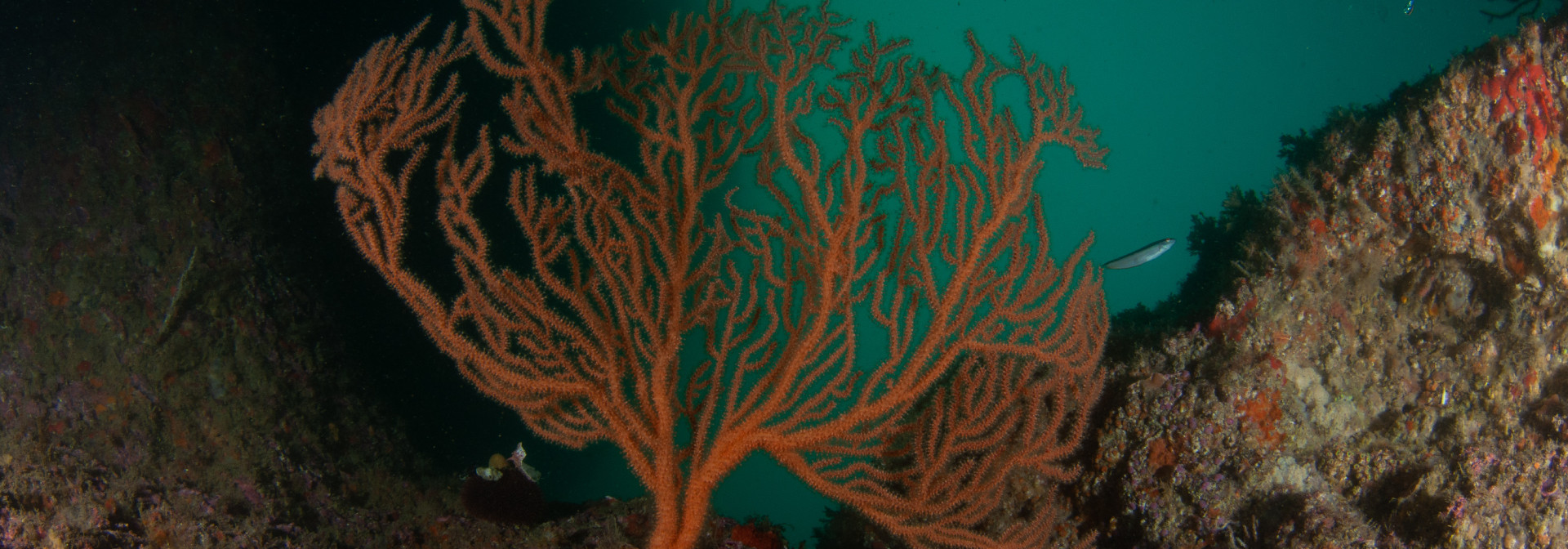
Corals are among the most biodiverse marine ecosystems, supporting an incredible variety of organisms
While many people associate corals with vibrant, shallow-water reefs in tropical regions, not all corals thrive in warm, sunlit waters.
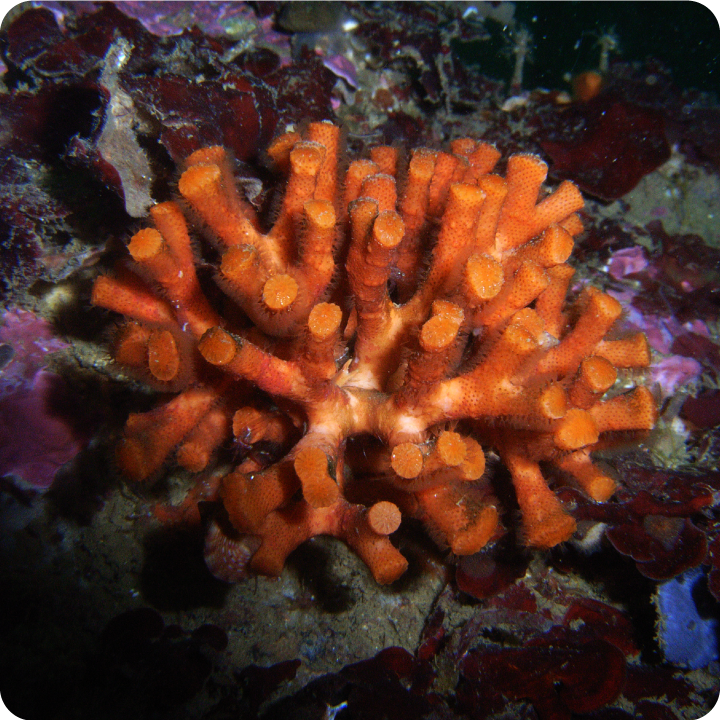
Deep- or cold-water corals can be found in the darker depths of the ocean, extending down to 3,000 meters and enduring temperatures as low as 4°C.
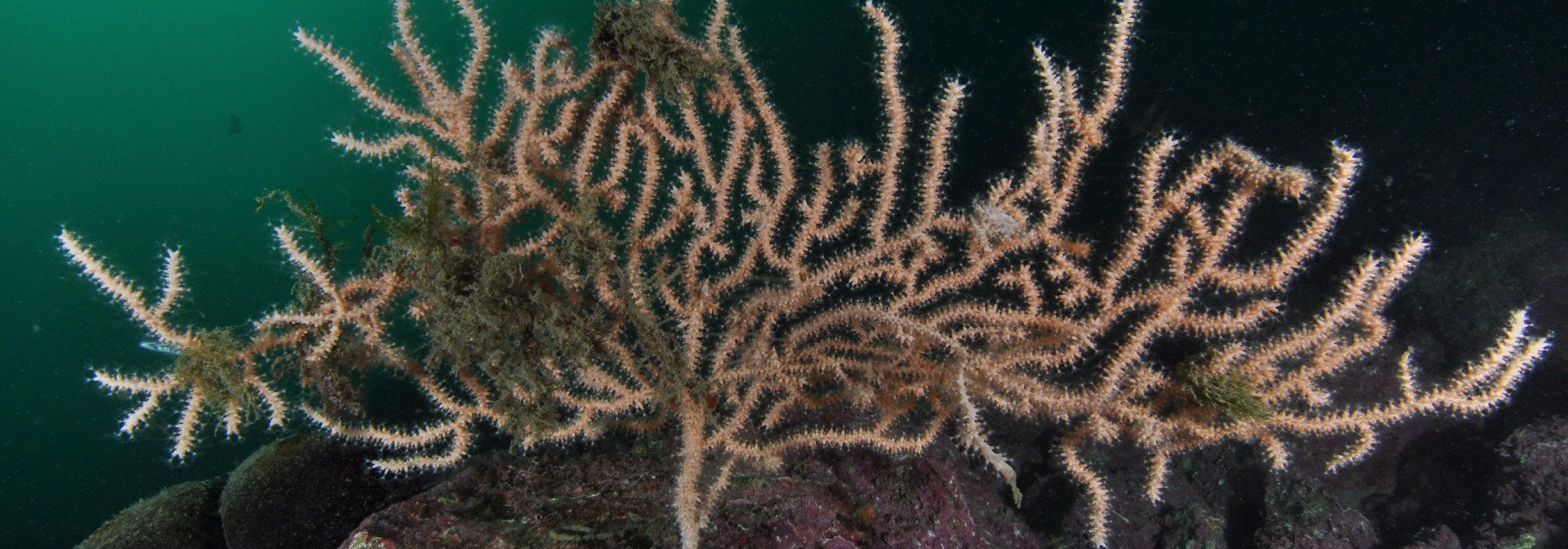
Some stony corals even form deep-water reefs or towering mounds. Additionally, soft corals like gorgonians and black corals create dense underwater forests, known as gorgonian gardens and black coral forests, across temperate to tropical waters, shaping complex habitats that sustain marine life.
These vital marine ecosystems
provide essential services

Biodiversity Hotspots
Support at least 25% of all marine species, offering food, shelter, and breeding grounds.

Healthy Fish Stock
Support commercial and artisanal fisheries.

Add benefit here
Add description here

Add benefit here
Add description here
Despite their ecological importance, coral habitats face mounting threats
Destructive fishing practices such as bottom trawling being one of the most severe. Bottom-contact fishing directly damages delicate coral structures, leading to habitat destruction and biodiversity loss.
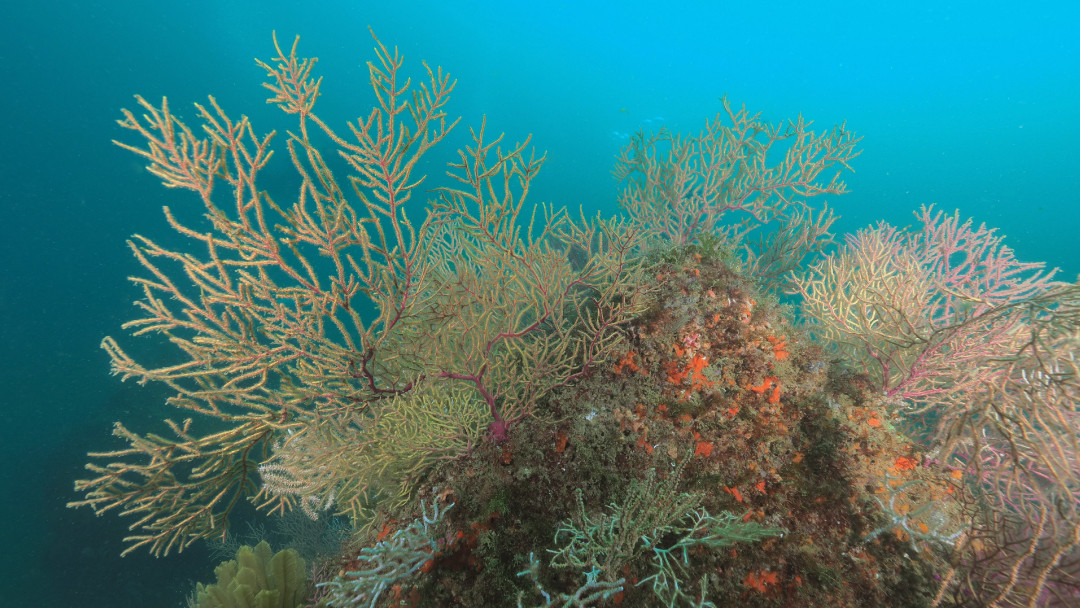
The decline of coral forests not only threatens marine life but also reduces the essential services these ecosystems provide
From supporting fisheries to maintaining coastal resilience. While passive conservation efforts, such as marine protected areas, are important, research shows they are not enough—active restoration measures are crucial to ensure the persistence of coral ecosystems.
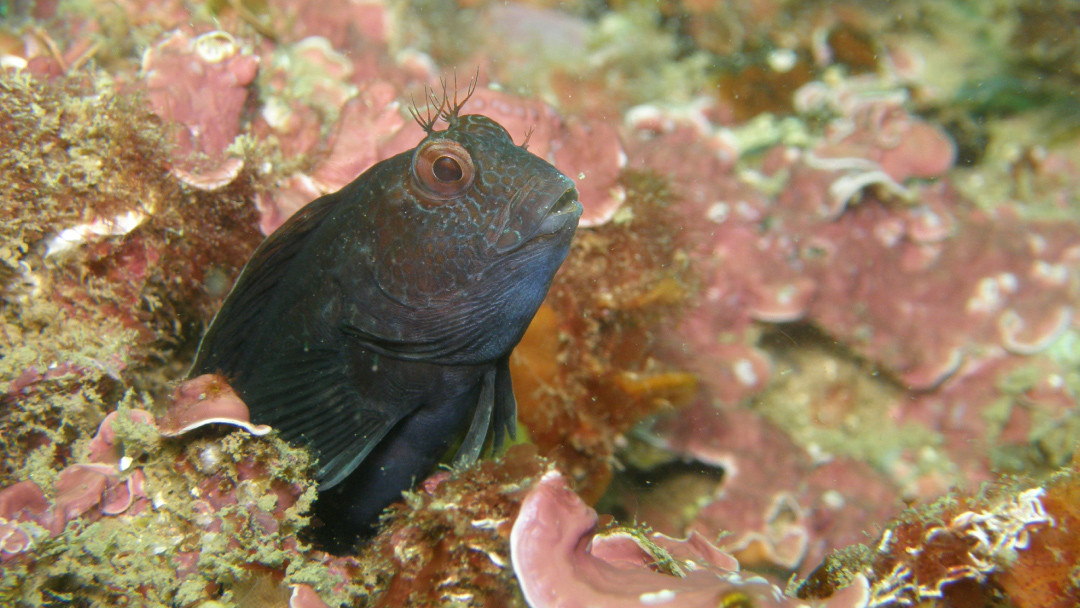
To better understand and address these urgent threats, several projects have been launched to protect and restore those coral habitats
Highlighted project
CORALforests
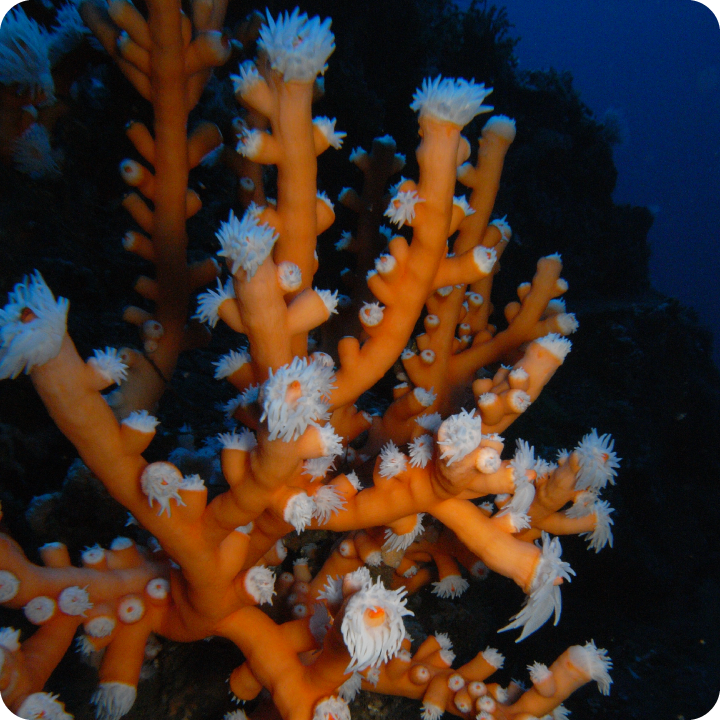
Rescue and recover corals in areas impacted by fishing activities in contact with the bottom in the Sagres region.
Bottom contact fishing is a major threat to marine ecosystems, particularly temperate coral forests. Mitigating its impacts requires recovery measures and societal involvement. By integrating scientific research with local knowledge, bottom fishing can provide valuable data on coral habitats and bycatch, aiding habitat restoration and management efforts.
Past projects
Discover how we have helped to protect corals.
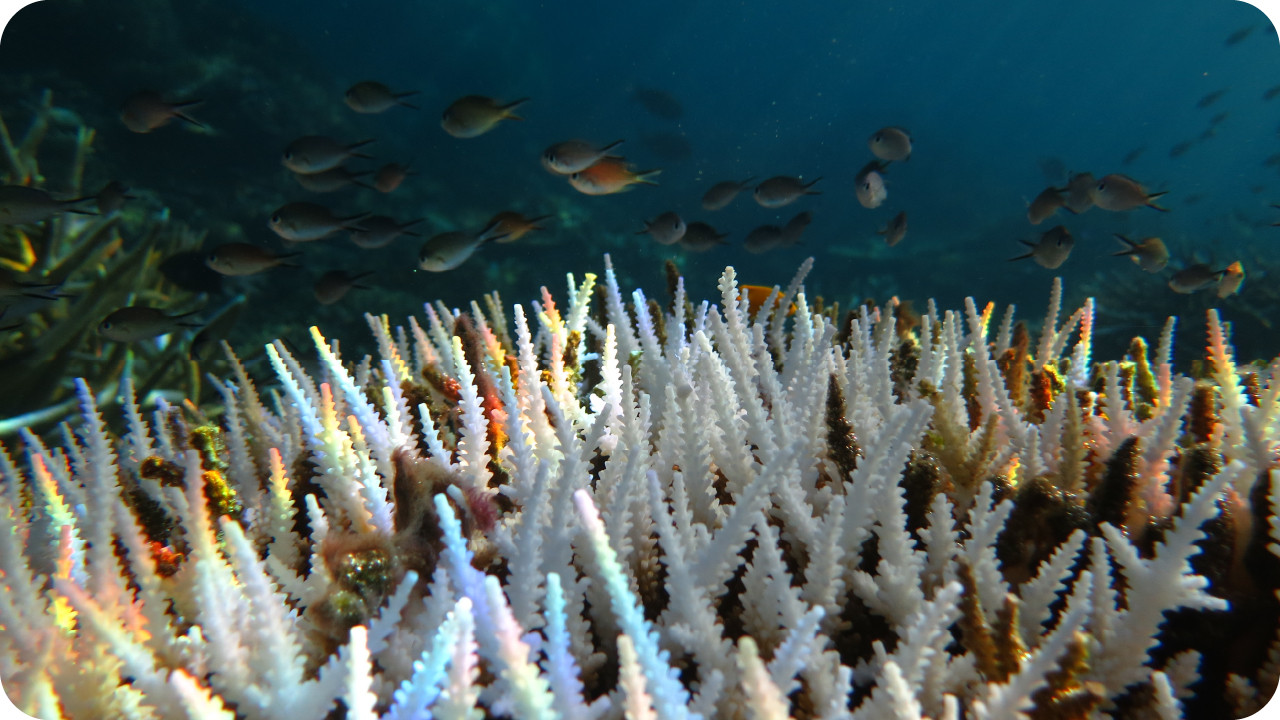
HABMAR
Protection and revitalization of marine biodiversity and special habitats
Completed
Corals
Add project duration
Add location

PROGRAMA BIOMARES
Restoration and Management of Biodiversity in the Marine Park Site Arrábida-Espichel.
Ongoing
Seagrass, Seaweed, Corals
2007 - Now
Setúbal
Explore other habitats