Seaweed
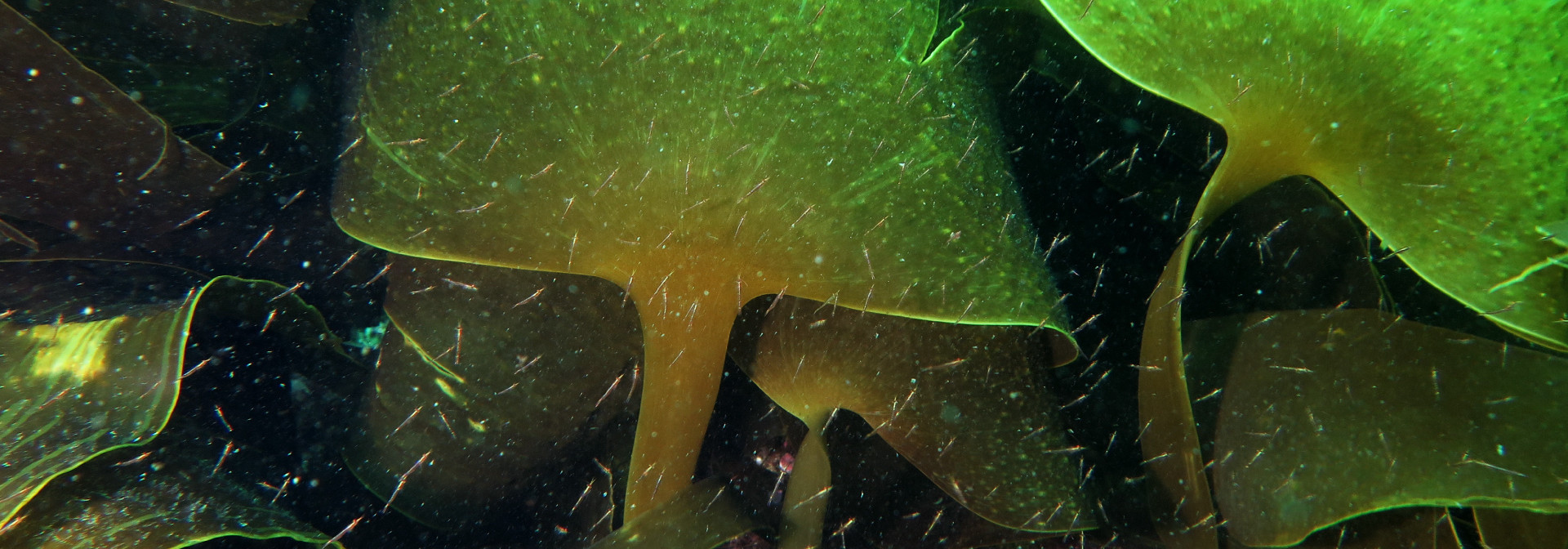
Seaweed banks play a vital role in marine ecosystems, functioning similarly to seagrass meadows.
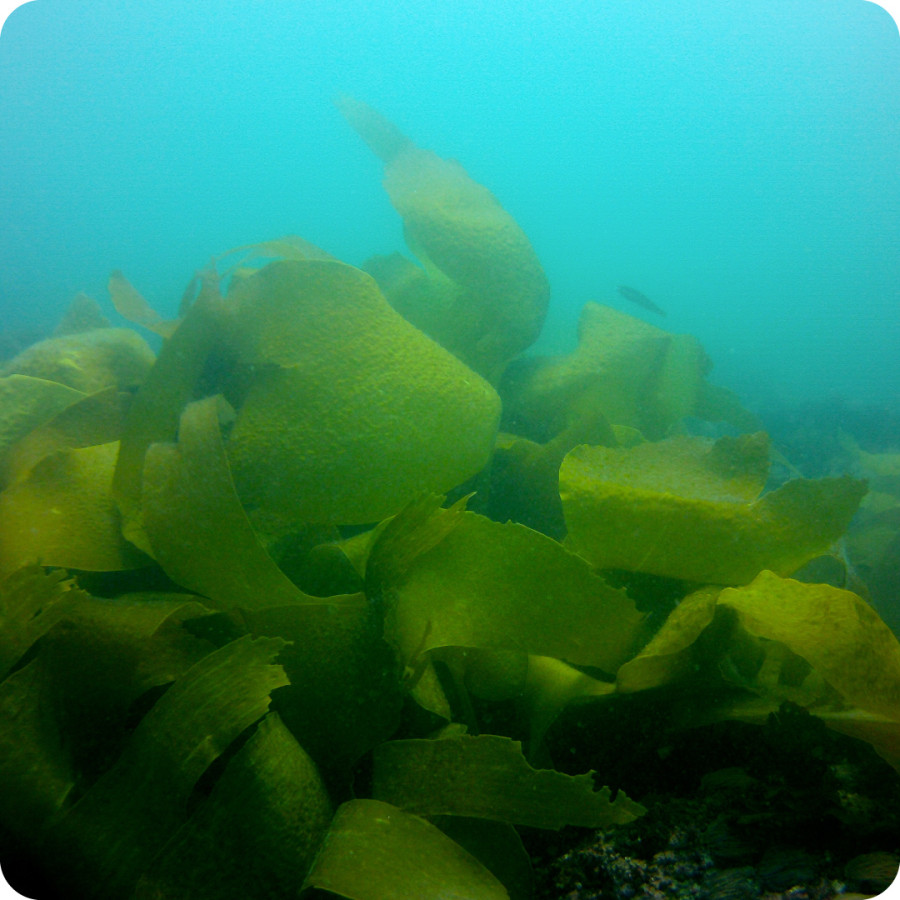
While often found in rocky substrates, certain seaweed species like Caulerpa are capable of colonizing sandy areas, stabilizing sediments that were once considered "marine deserts."
This ability to establish habitats in previously barren environments allows a wide variety of organisms to thrive, turning the sea floor into a submerged forest, even in the most unexpected places.
Due to their very complex structure and high primary production, seaweeds, just like plants on land, offer essential services

Refuge for Biodiversity
Offer food and nursery habitats for many marine species

Add benefit here
Add description.

Carbon Reservoirs
Kelp forests are highly efficient at capturing and storing carbon.

Sediment Bottoms Colonizers
Bottom of the sea functions like a submerged forest
Seaweed habitats face significant threats
These seaweed ecosystems are currently being lost in many regions due to various pressures, including climate change-induced heatwaves, pollution, and fishing activities. These factors compromise the health of seaweed forests, with potentially devastating impacts on marine biodiversity and the ecosystem services
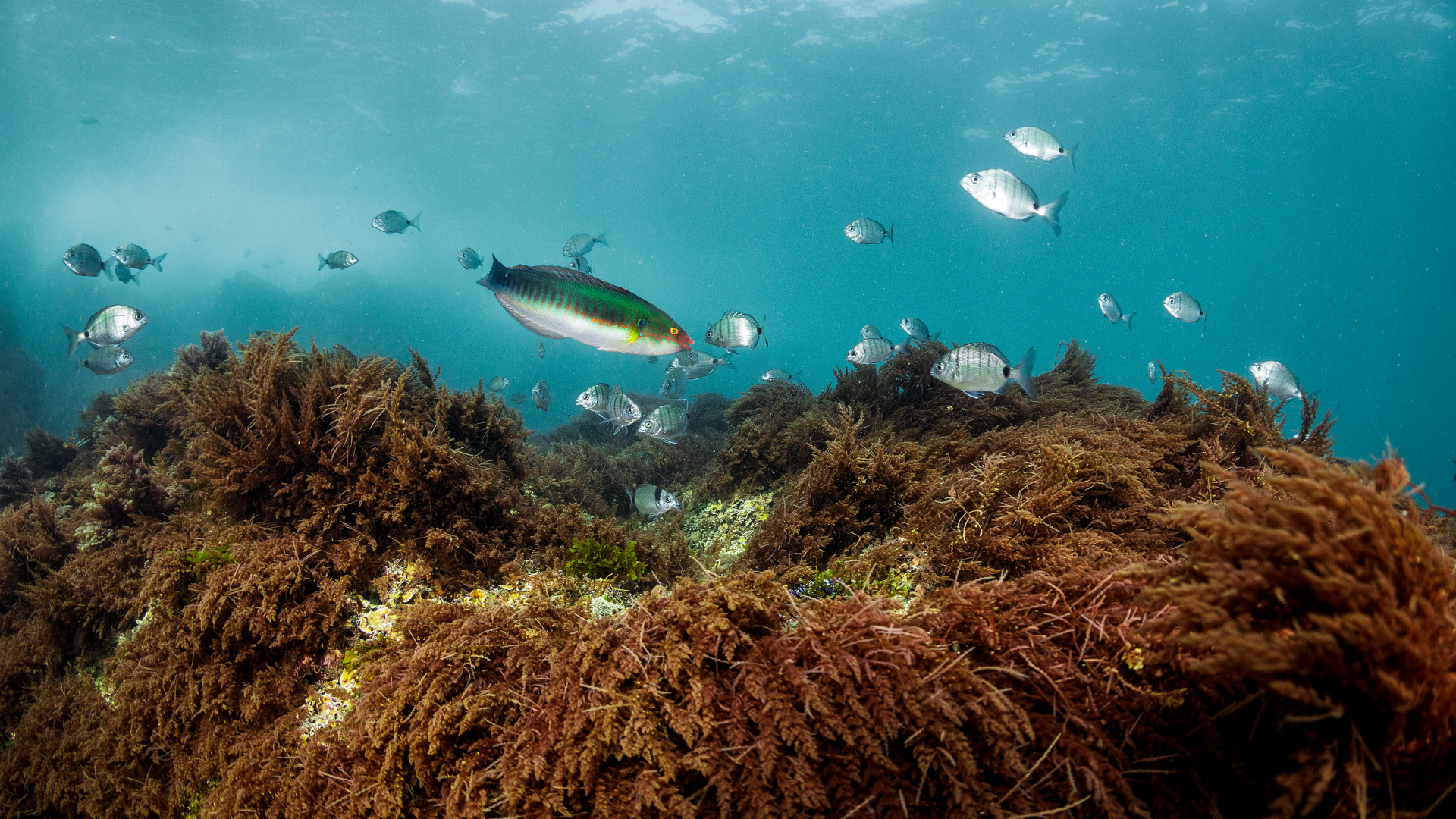
The need to protect and restore marine forests is urgent
Restoring seaweed habitats is essential for maintaining ocean biodiversity, supporting climate change solutions, but also for their role as nurseries and refuges for many marine species, some of which are vital for fisheries.
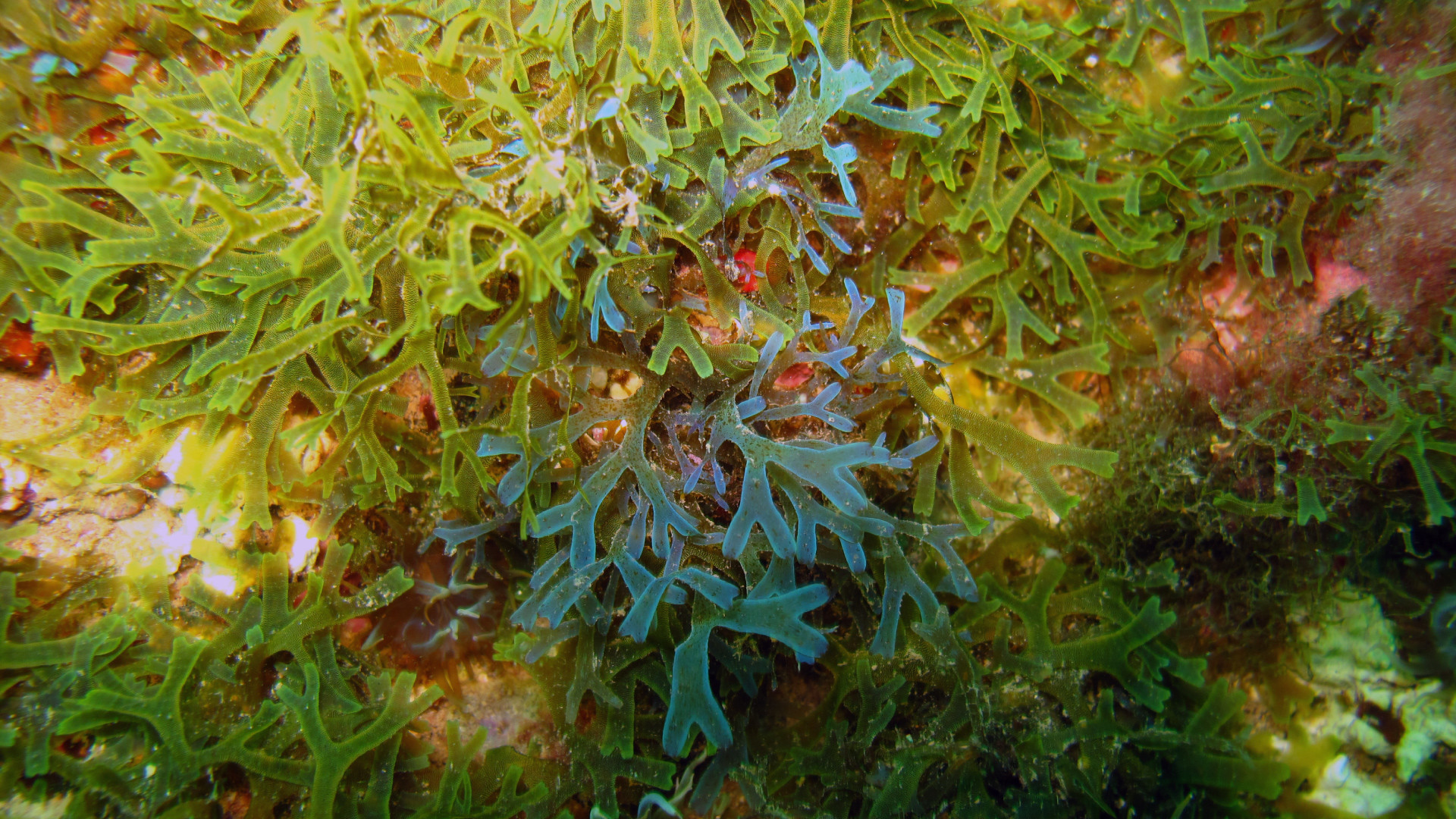
And that's what we've been doing with various conservation initiatives.
Highlighted project
Add Project Title
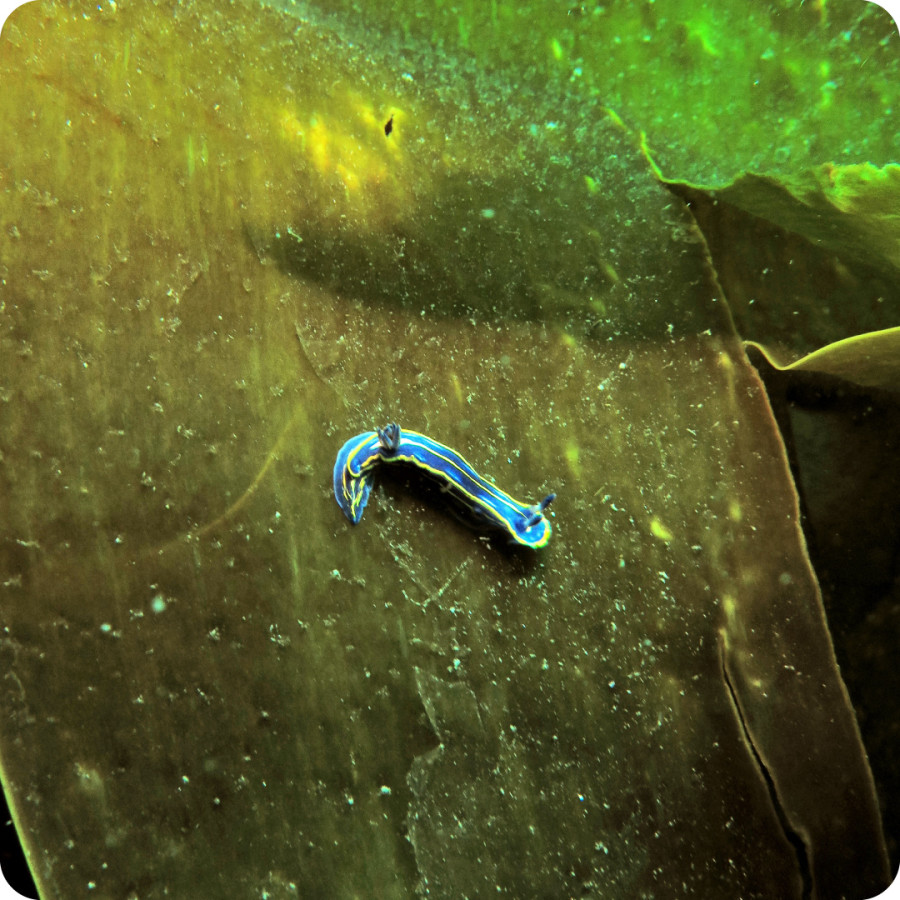
Past projects
Discover how we have helped to protect seaweeds.

RESTORESEAS
Nature-based tools to protect and restore biodiversity.
Ongoing
Seagrass, Seaweeds and Corals
2022 to 2025
Add location

BIOMARES
Restoration and Management of Biodiversity in the Marine Park Site Arrábida-Espichel.
Ongoing
Seagrass, Seaweeds and Corals
2007 - Now
Setúbal, PT
Explore other habitats