Planting on the sea bed
Planting
on the sea bed

How do you restore a seagrass meadow?
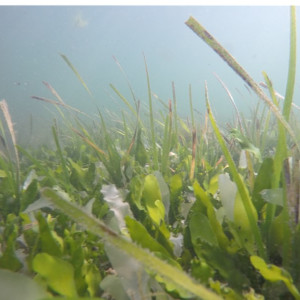
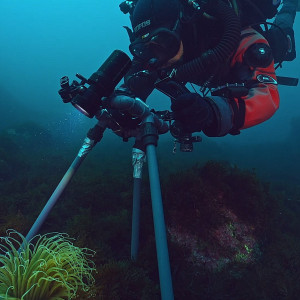
When a seagrass meadow disappears, it rarely recovers on its own—at least not fast enough for our needs. Active restoration through transplantation is a powerful tool for accelerating this process. It’s delicate work, done by hand, square meter by square meter, on the ocean floor.
From the donor seagrass meadow to the seafloor: four steps
Seagrass transplantation is a demanding process that combines scientific rigor with intense fieldwork. Every step is critical—and every plant counts.
1. Harvesting - collecting without causing harm
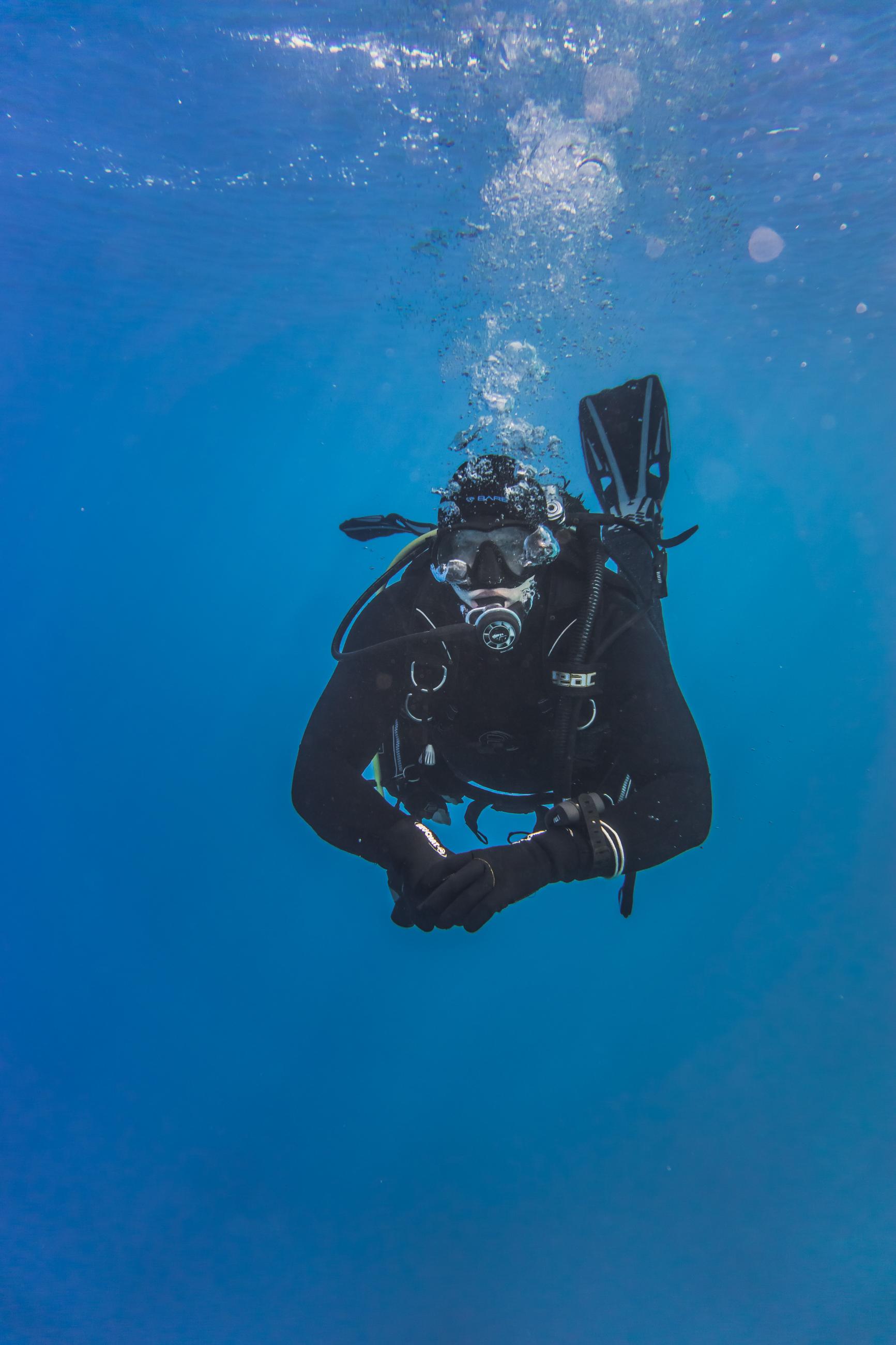
Divers manually collect small portions of plants—shoots or rhizomes—from healthy grasslands, known as donor populations. The collection is done carefully to ensure that the donor grassland is not harmed and continues to thrive.

2. Transportation—a race against time
Once out of the water, the plants are immediately stressed. For this reason, they are transported under controlled temperature and humidity conditions, and the journey to the restoration site is completed as quickly as possible. Every minute counts to ensure the plants arrive in good condition.
3. Planting—a checkerboard pattern on the seafloor
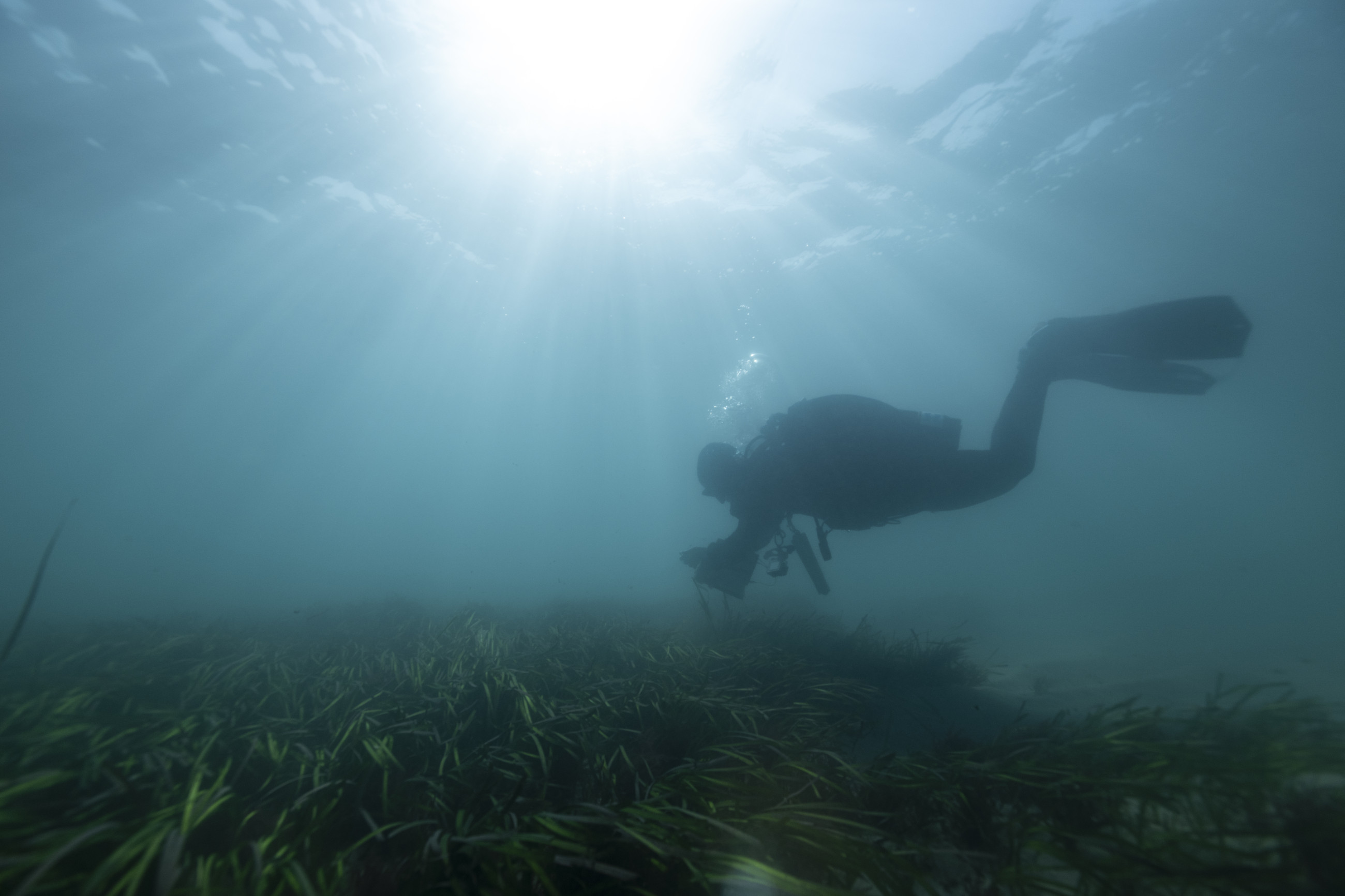
On the seabed, divers plant blocks of sediment containing plants—called sods—in a checkerboard pattern. This staggered arrangement is not random: it maximizes the plants’ natural spread into the empty spaces between blocks, accelerating the recovery of the seagrass meadow more efficiently than a continuous planting.
4. Monitoring—the first few months are crucial
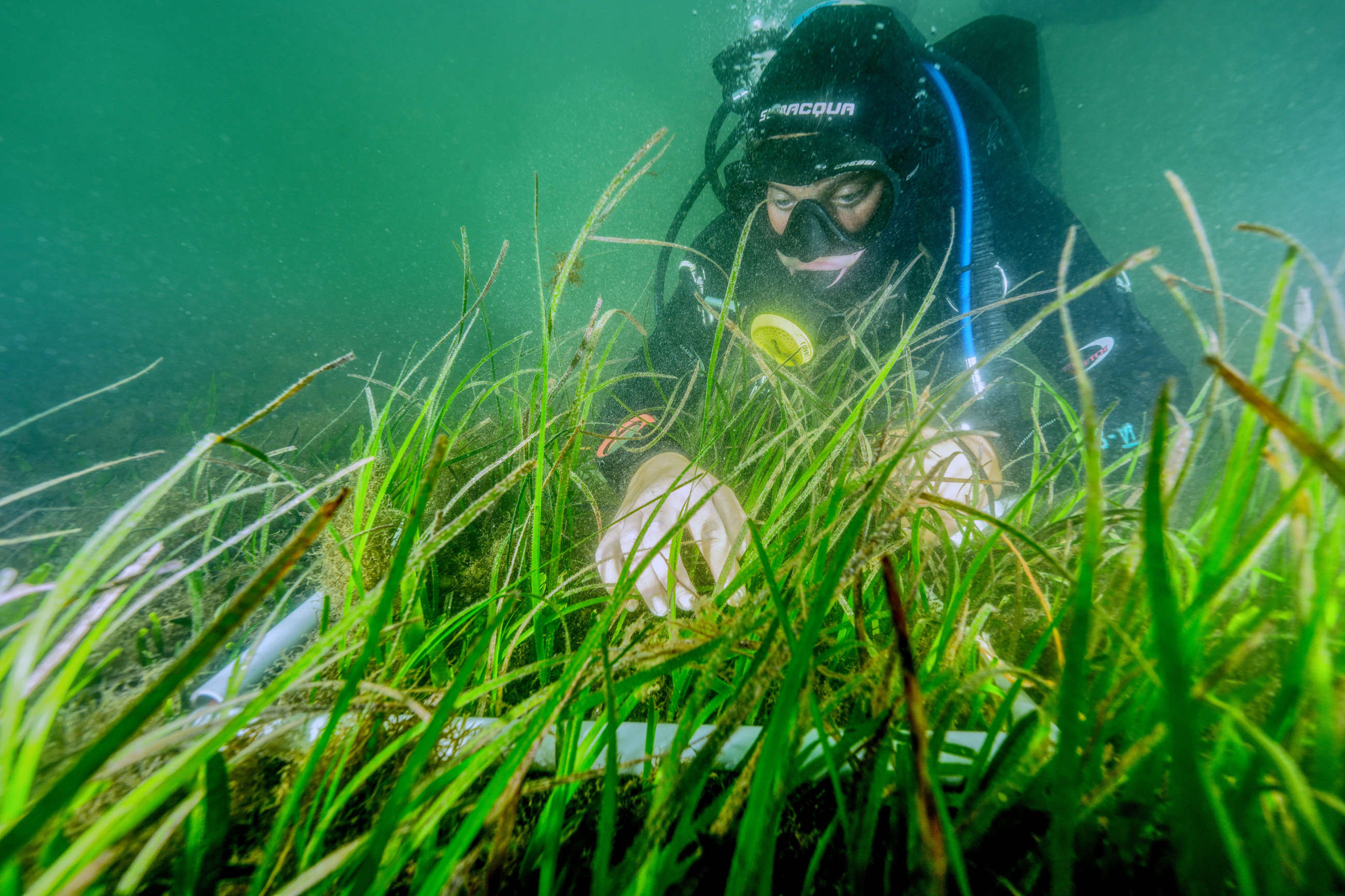
After planting, the transplanted areas are monitored regularly—survival, growth, and expansion. Experience from the project shows that the first few months are the most critical. It is during this phase that it becomes clear whether the prairie will take root or whether further intervention is needed.


A commitment to nature, backed by science
Transplantation is not a magic solution. It only works where threats have been controlled and conditions are favorable. But when it does work, it is transformative—and the initial results of the RESTORESEAGRASS project show that it is possible to bring life back to seabeds that seemed lost forever.