
Volunteers: hands on for the ocean
Volunteers
Hands on for the Ocean

The ocean needs you
Reversing the degradation of seagrass meadows isn’t just a job for scientists. It’s a collective effort — and at RESTORESEAGRASS, we believe that every pair of hands makes a difference. Volunteering is the driving force that turns scientific research into real impact on the ocean.
Working side by side with scientists
Throughout the project, there are many ways to get your hands wet—literally. Volunteers work directly with the scientific team on tasks as diverse as collecting data, caring for plants, or participating in planting campaigns. Every action counts.

Scientific Monitoring
Assisting with the collection of environmental data on the condition of seagrass beds and the species that live there. A way to contribute directly to the project’s scientific foundation—without needing to be a scientist.

Plant Nursery
At CCMAR, volunteers help care for seagrasses in tanks and aquariums before their reintroduction into the sea. Behind-the-scenes work—essential to the success of the restoration.

Active Restoration
Direct participation in planting campaigns—in the intertidal zone or while diving. The most physical work and, for many volunteers, the most rewarding.

Science Outreach
Participation in environmental awareness and education initiatives. Because protecting seagrass meadows starts with letting more people know they exist.
You don’t need to be a scientist to make a difference
The volunteer program is open to everyone—from students and certified divers to local residents and environmental enthusiasts. What you really need is a positive attitude, a willingness to learn, and resilience for fieldwork: sun, mud, and water included.

Students
Hands-on experience and direct involvement in marine research and conservation. A unique opportunity to learn outside the classroom.
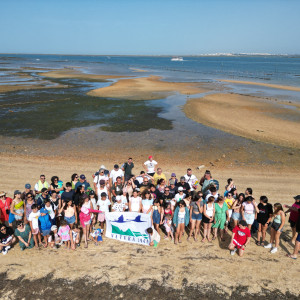
Environmental enthusiasts
and Local Residents
Do you want to protect your region’s natural heritage? Your local knowledge and your involvement make all the difference.

Certified Divers
For specific underwater planting activities. Requires valid certification and active insurance — but the reward is working in a living seagrass meadow.

More than volunteering — an experience of growth
All volunteers receive specialized training in marine biology and conservation, a certificate recognizing their contribution, and the opportunity to join a network of people and organizations that share the same values. But the greatest reward is something else: the satisfaction of having done something real for the ocean.
Find your opportunity
Explore the available volunteer opportunities and discover how you can contribute. Each listing details the type of task, the location, the requirements, and what you can expect. There’s a place for you in this project.
Volunteer for Scientific Diving in Seagrass Restoration & Monitoring
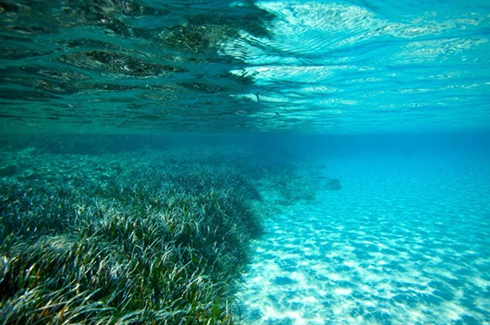
Brief description of the volunteer proposal
We are seeking highly motivated and proactive volunteers to support the restoration and monitoring of seagrass ecosystems through scientific diving activities of LIFE RESTORE SEAGRASS. This is a hands-on role within an active marine restoration project, involving fieldwork and direct support to seagrass transplant monitoring activities. Volunteers will contribute to data collection, logistical operations, and in water tasks, helping to enhance the conservation status, resilience, and biodiversity of seagrass meadows within the project area.
Proposed Tasks
Fieldwork volunteers will be trained in and assist with the following technical monitoring tasks:
- Logistical Support for Transplants: Assisting in the preparation, organization, and transport of seagrass units for replanting.
- Dive Support (Surface & Underwater): Providing assistance during diving operations, including equipment handling and monitoring support.
- Monitoring Support: Collecting standardized data, photoquadrats and photo-based documentation of planting units to support scientific analysis of seagrass growth and health.
- Data Collection Support: Assisting with the organization and basic handling of collected field data (e.g. images and records) to support ongoing monitoring.
- Equipment Maintenance: Assisting the technical team in cleaning, checking, and preparing scientific and diving gear between field outings.
Information about the volunteer proposal
Duration: October 2026 – July 2027
Team Structure: We are looking for 2 to 3 volunteers to assist in the fieldwork tasks.
Schedule: A commitment of 2 to 3 days per week for a minimum period of 1 months.
Location: Portinho da Arrábida, Parque Marinho Luis Saldanha
Working Hours: Daytime schedule.
Specific Requirements (Mandatory):
o Diving Certification & Experience: Minimum Open Water diving certification.
o Ability to perform physical work in a marine environment and on boats.
Preferred Candidates:
o Academic Background: Ongoing or completed degree in Biology, Marine Biology, Environmental Sciences, or related fields.
o Personal Gear: Candidates who possess their own complete diving equipment (suit, BCD, regulators) will be given preference.
o Previous experience in scientific diving or ecological fieldwork.
o Residence near the project location (Lisbon, Setubal or Sesimbra districts).
What we offer: In-depth training in seagrass monitoring techniques and scientific diving protocols, providing direct involvement in a high-impact LIFE-funded European conservation project. Participants will benefit from integration in a multidisciplinary team and the opportunity to develop hands-on conservation actions. Transportation to the fieldwork sites is covered and insurance during the fieldwork activities is provided. Additionally, volunteers will receive a volunteer certificate detailing the technical skills acquired and the total hours completed.
How to Apply:
To apply to this offer, please send us a resume of your academic background and other experiences, along with a small statement explaining why you are a suitable candidate for this position. Please use the subject ‘Volunteer opportunity – Diving’ and send your email to (mscala@ispa.pt; hsantamaria@ispa.pt; fsobreira@ispa.pt; monica.costa@spea.pt)