Lagoon and salt flat plants
Lagoon
and salt flat plants

Small, rare, and essential: the plants that thrive where others cannot
In coastal salt flats and lagoons, where salinity is high, water is scarce, and conditions change rapidly, there are plants that not only survive — but thrive. These are the specialists: less well-known than the seagrasses of the prairies, but just as vital to life in these unique habitats.
The foundation of an unlikely web of life
In these extreme environments, these plants are the foundation of everything. They provide food for flamingos, stilts, and ducks, shelter for invertebrates and fish, and help stabilize sediments and improve water quality. Where they exist, life flourishes — even where it seems impossible.
Four species, four ways of adapting
In Portugal, there are four species of these specialized plants, and each has found its own unique way of adapting to conditions that most plants could not withstand.
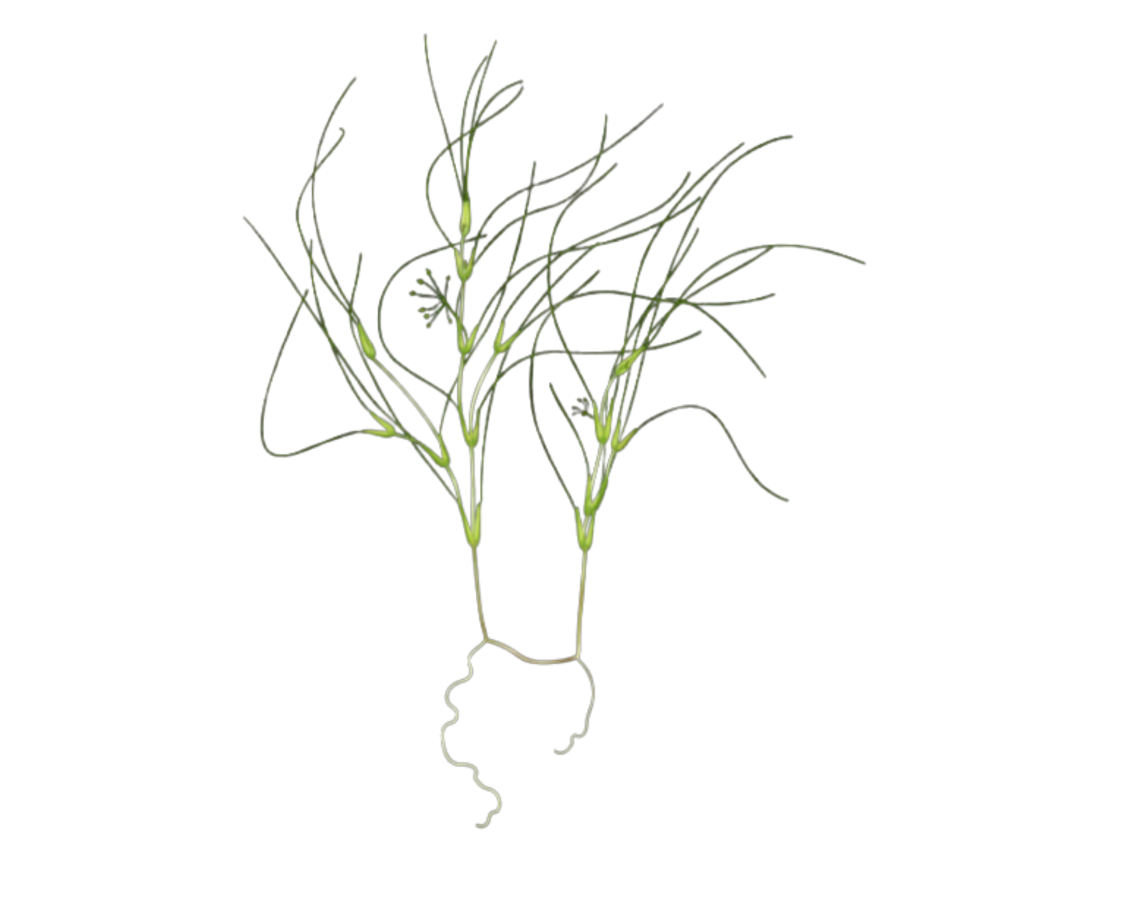
Ruppia maritima - the most tolerant
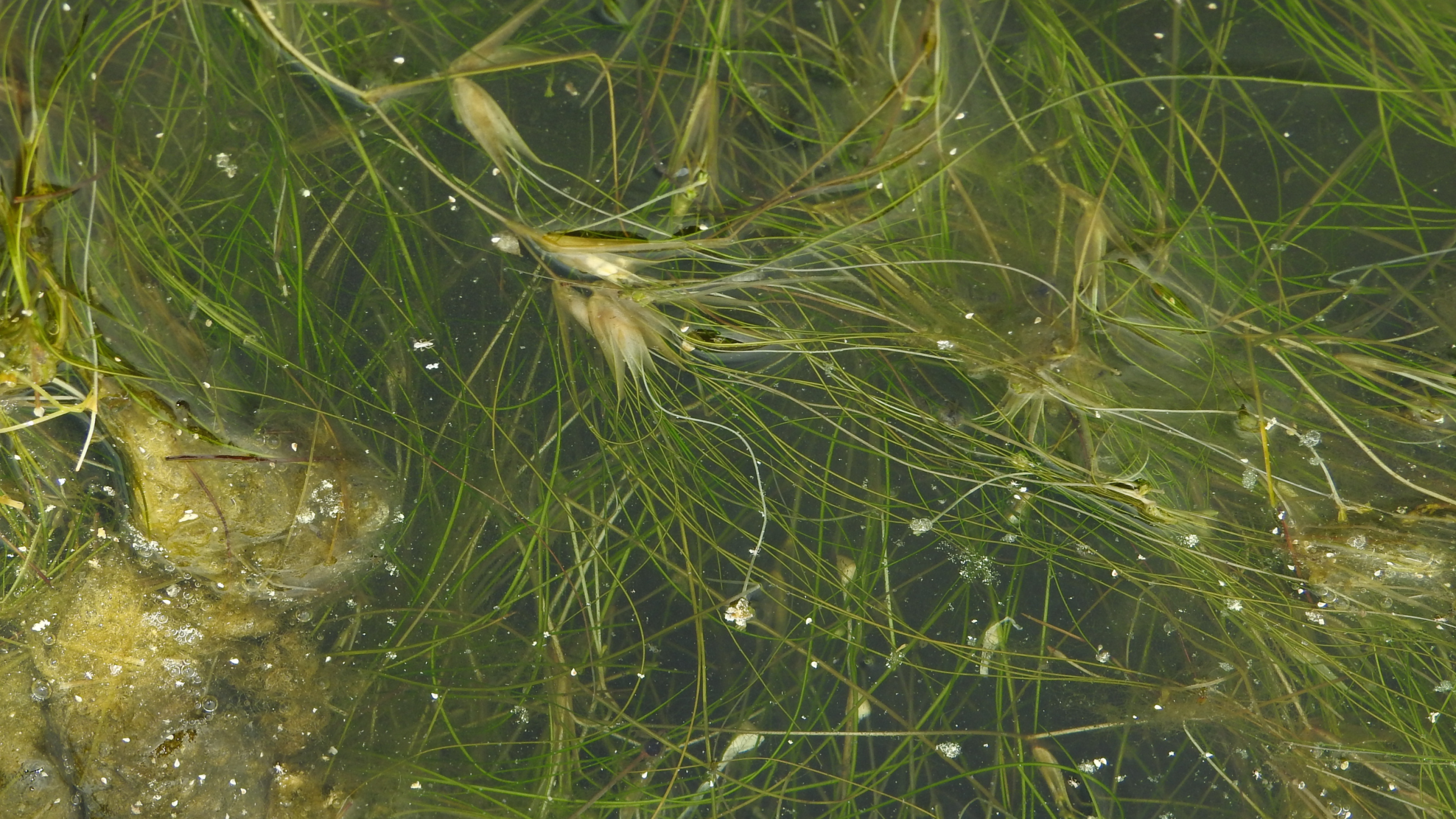
With very thin leaves and straight or slightly curved petioles, it is the most versatile of the four. It occurs in waters ranging from brackish to hypersaline — in salt marsh channels, coastal lagoons, and wetlands. Its tolerance for extreme conditions makes it the most common and widely distributed of the group.
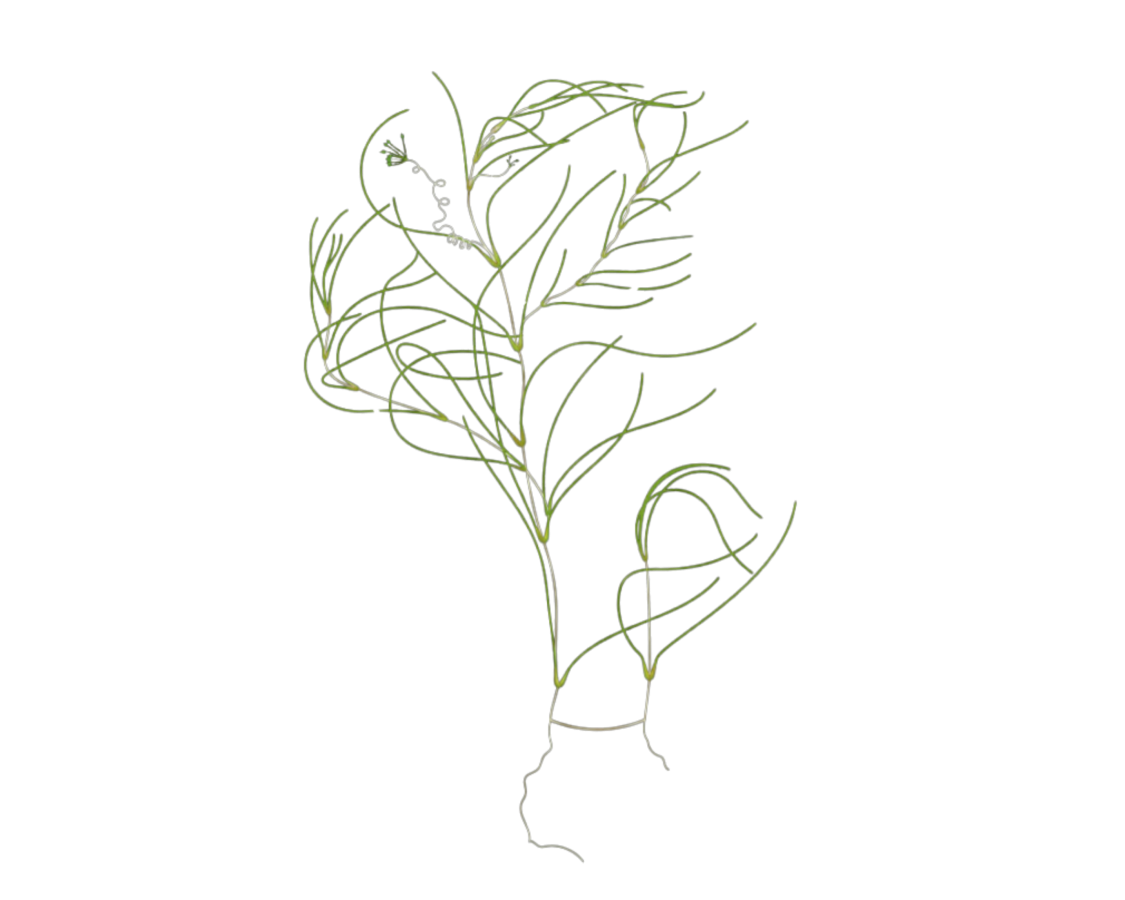
Ruppia spiralis - the one with the spiral stems
Unmistakable for its long stems that coil into a spiral. It prefers deeper, permanently submerged waters — it is common in tidal channels and at the entrances to salt flats, where water turnover is higher and conditions are more stable.
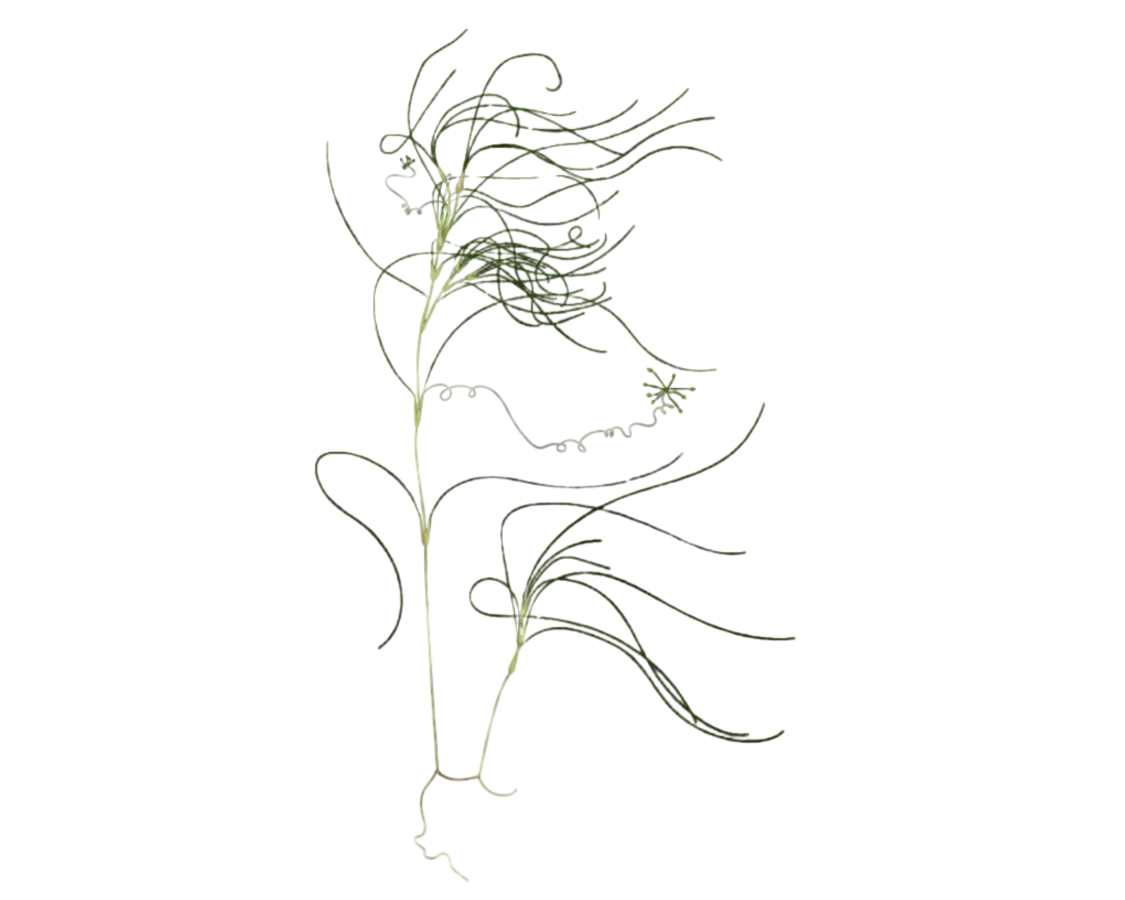
Ruppia drepanensis - the daughter of winter
This species grows only in winter. Its extremely thin leaves emerge when rains fill the temporary salt ponds — and disappear when those ponds dry up completely in summer. A fleeting life cycle, in a habitat few are familiar with. It is rare and endangered.
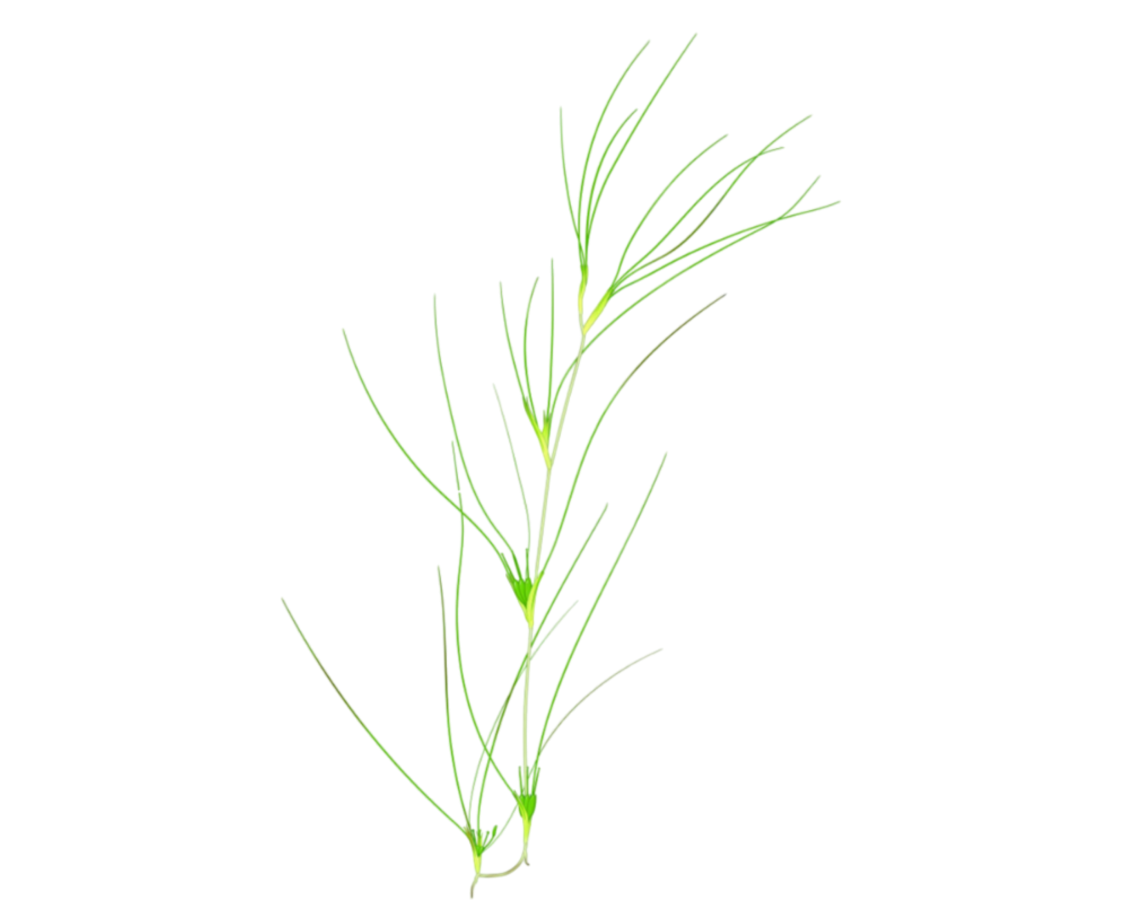
Althenia filiformis - the invisible one of the lagoons
The smallest and most inconspicuous of the four. Its stems are so slender that it easily goes unnoticed — and its short life cycle makes it difficult to spot. It lives in temporary salt ponds and pools that fill up in winter and dry up in summer, producing small fruits with a distinctive beak.
Where they live: saline, extreme, and unique environments
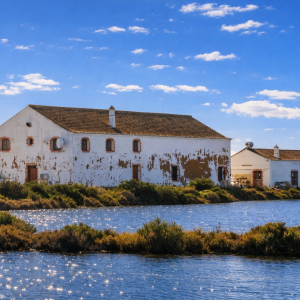
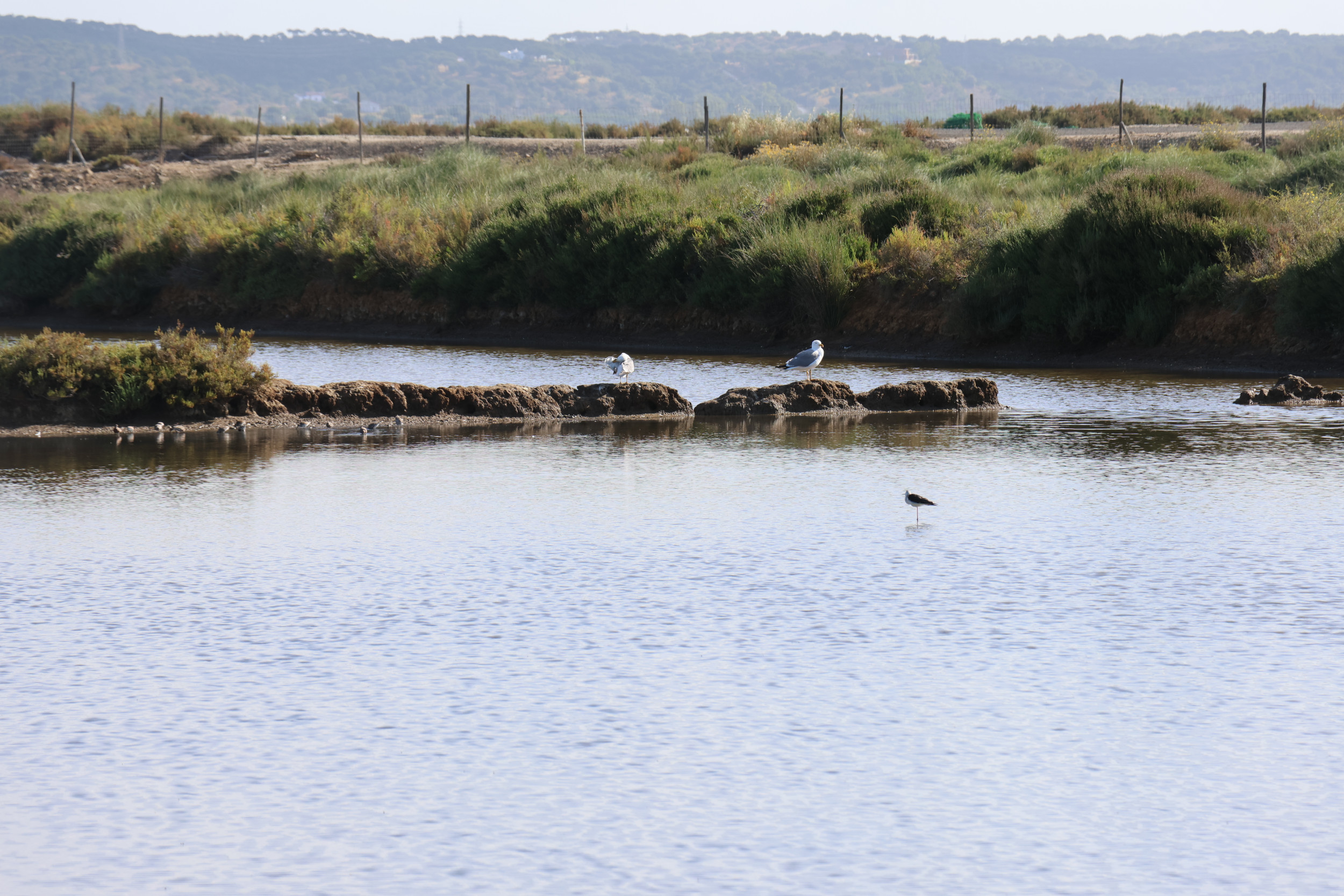
These plants do not seek out the open sea or freshwater—they inhabit an intermediate, saline, and demanding world. We find them in active or abandoned salt flats, hypersaline coastal lagoons, and marshes with high salinity. These are rare, fragile habitats—and ones that few people know about.
Where can these plants be found in Portugal?
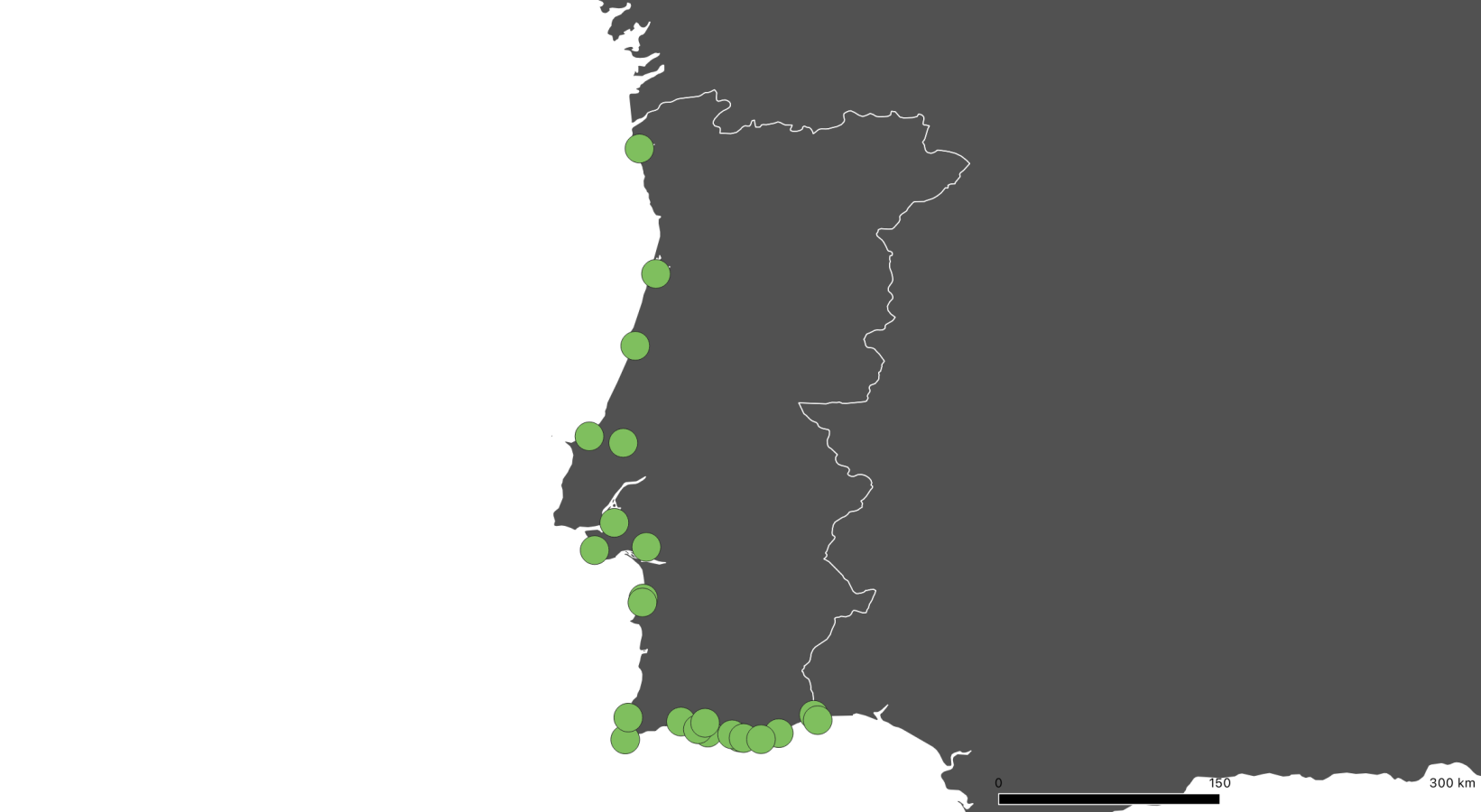
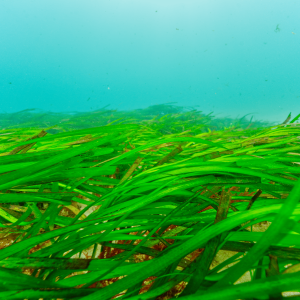
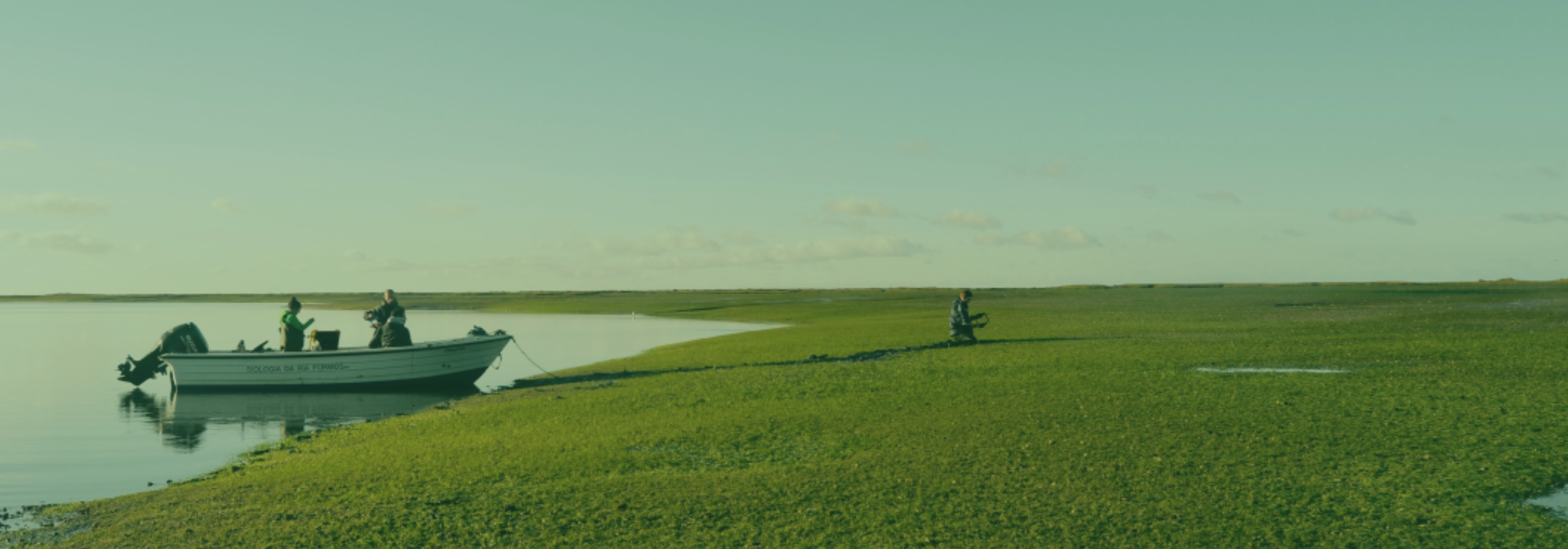
On the Portuguese mainland, these species are found mainly in the south of the country—particularly in the Ria Formosa and the Algarve salt flats, where they form underwater mats in channels and salt ponds. Their limited distribution makes their conservation all the more urgent.