When we restore
marine forests,
we care for the ocean at its roots
Blue forests
the hidden lungs of the ocean
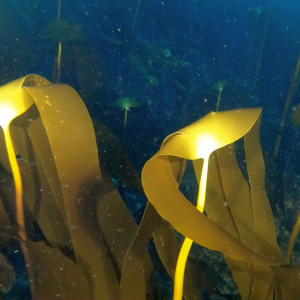
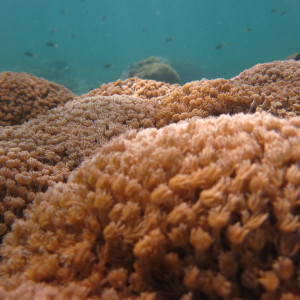
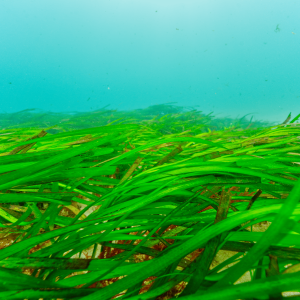
We call them ‘blue forests’ because just like forests on land, they are complex and highly productive ecosystems, but they live underwater. These include habitats such as seagrass beds, kelp forests, coral gardens, mangroves and salt marshes.
Seagrass meadows
Kelps
Corals
The vital role of blue forests
These forests support an enormous diversity of life and perform functions that are essential to the planet’s balance. They serve as nurseries for countless marine species, protect coastal areas from erosion and the impact of storms, and help keep water clean.
Like terrestrial forests, they also capture and store carbon from the atmosphere, helping to mitigate the effects climate change. And they do so particularly efficiently: they are among the most effective ecosystems on the planet at capturing carbon.
An uncertain future
Despite being among the planet’s most valuable ecosystems, blue forests remain largely unrecognised and increasingly under threat. Globally, we have already lost more than 30% of seagrass meadows, kelp forests are disappearing, and coral reefs face unprecedented challenges.
Protecting these habitats has never been more important. Investing in the conservation and restoration of marine habitats is essential to reviving life in the ocean, strengthening the protection of coastal areas and ensuring a healthier future for everyone.
Seagrass meadows
protect and restore
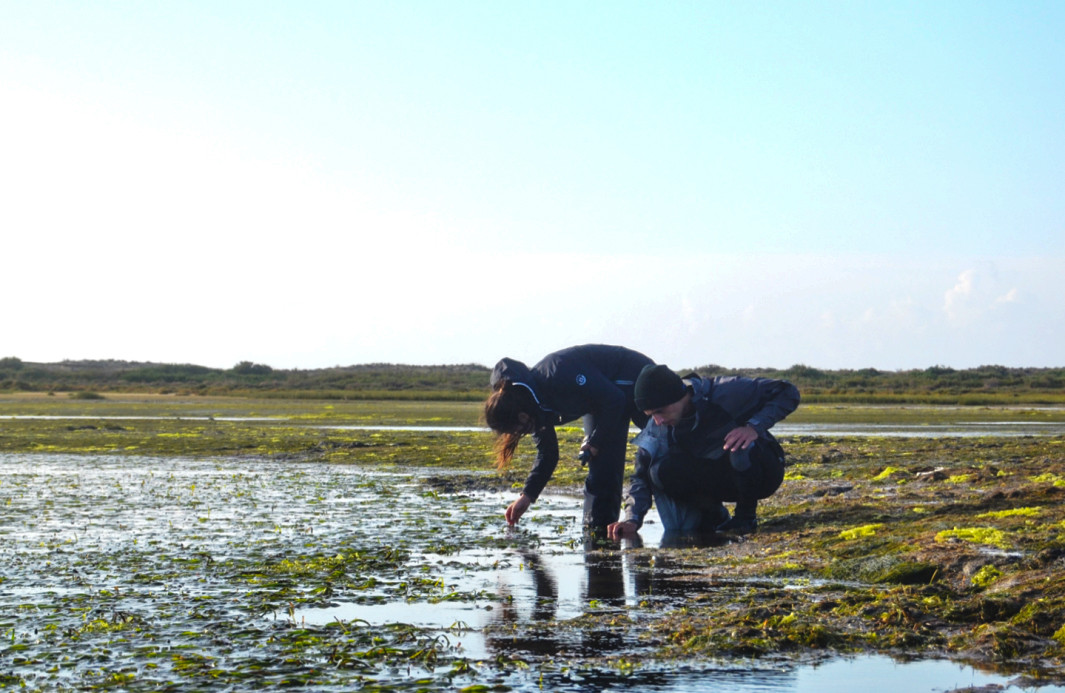
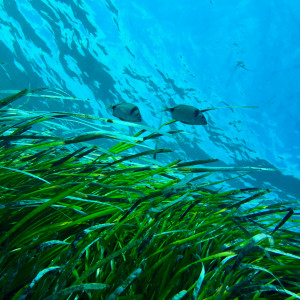
In southern Portugal, seagrass meadows are true havens for marine life and allies of the ocean. To restore them is to bring back biodiversity, cleaner waters and stronger coastlines, ensuring that these habitats continue to thrive for future generations.
RESTORESEAGRASS
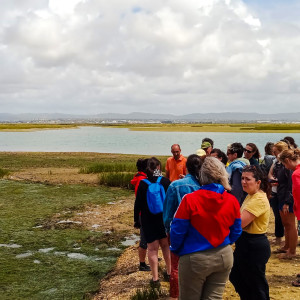
This project brings together scientists, fish farmers, conservationists and local communities to protect and restore the seagrass meadows of the Ria Formosa, Sado Estuary and Arrábida.