
A new lease on life for the salt flats
A new lease on life
for the salt flats

From Salt Pans to the Ocean: A New Life for a Historic Habitat
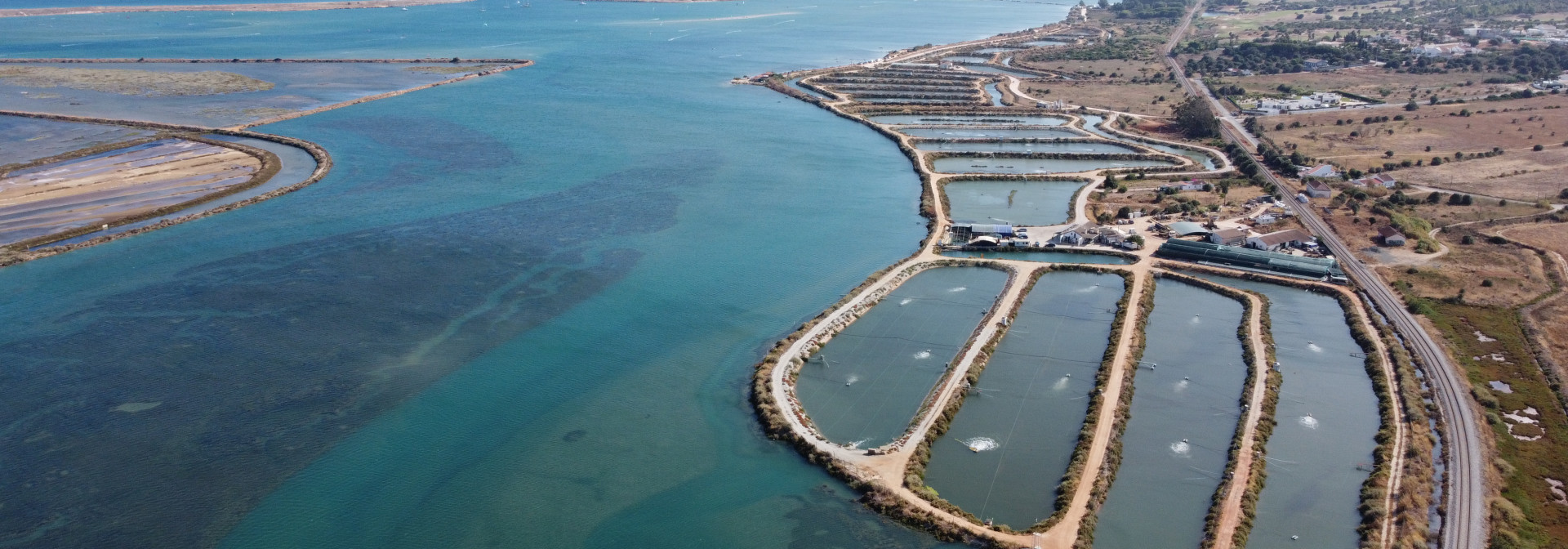
The Algarve’s traditional salt pans have a long history — and a promising future. Many are abandoned or undergoing restructuring, so we are transforming them into centers for seaweed cultivation, research, and environmental education, creating an innovative model that combines conservation and sustainable aquaculture.
A forgotten habitat with unique potential
The tanks of traditional salt pans recreate conditions similar to those of coastal lagoons — saltwater, muddy bottoms, and abundant light. They are, therefore, ideal environments for cultivating seaweed under controlled conditions before transplanting it into the sea. And they allow us to go further: to host rare species, promote bird nesting, and create spaces for demonstration and environmental education.
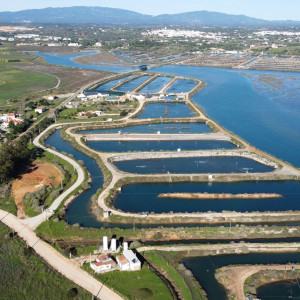
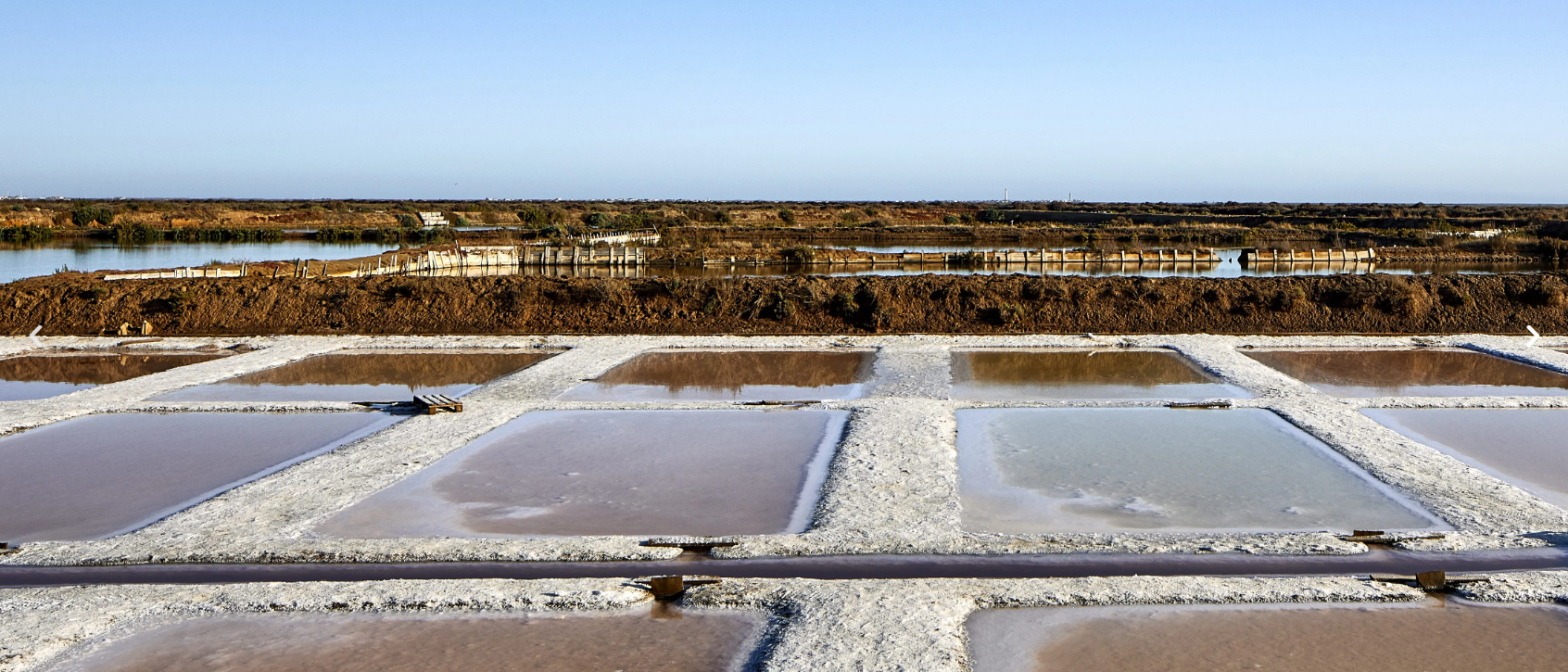
A repurposed salt flat near the Alvor Estuary, in partnership with Piscicultura do Vale da Lama.
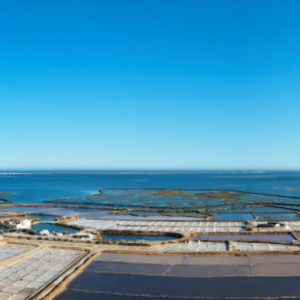
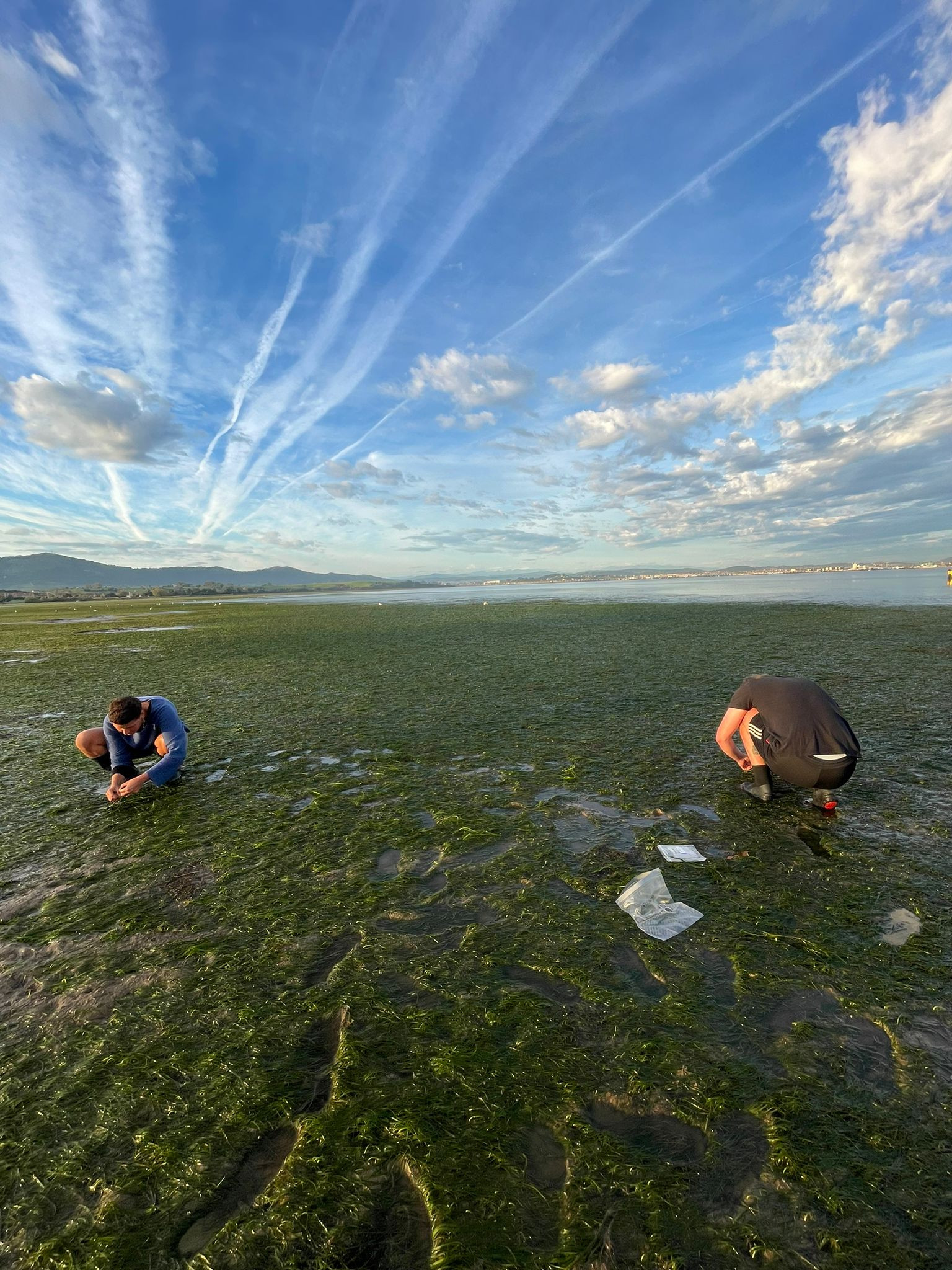
Tanks in the heart of the Ria Formosa, where experimental transplants of various seagrass species are taking place.
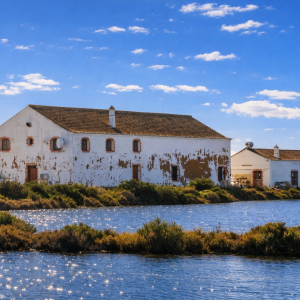
The project’s scientific base in the Ria Formosa, featuring cultivation tanks and research laboratories.
BioMarim: Where Aquaculture Meets Conservation
Piscicultura do Vale da Lama (PVL) is a leading estuarine aquaculture operation in the Algarve, specializing in the production of sea bream and sea bass. As part of the RESTORESEAGRASS project, it is renovating an old salt flat called BioMarim to transform it into a living space for cultivation and demonstration, open to visitors, students, and researchers — a place where one can observe seagrass cultivation up close and see how it integrates with local biodiversity.
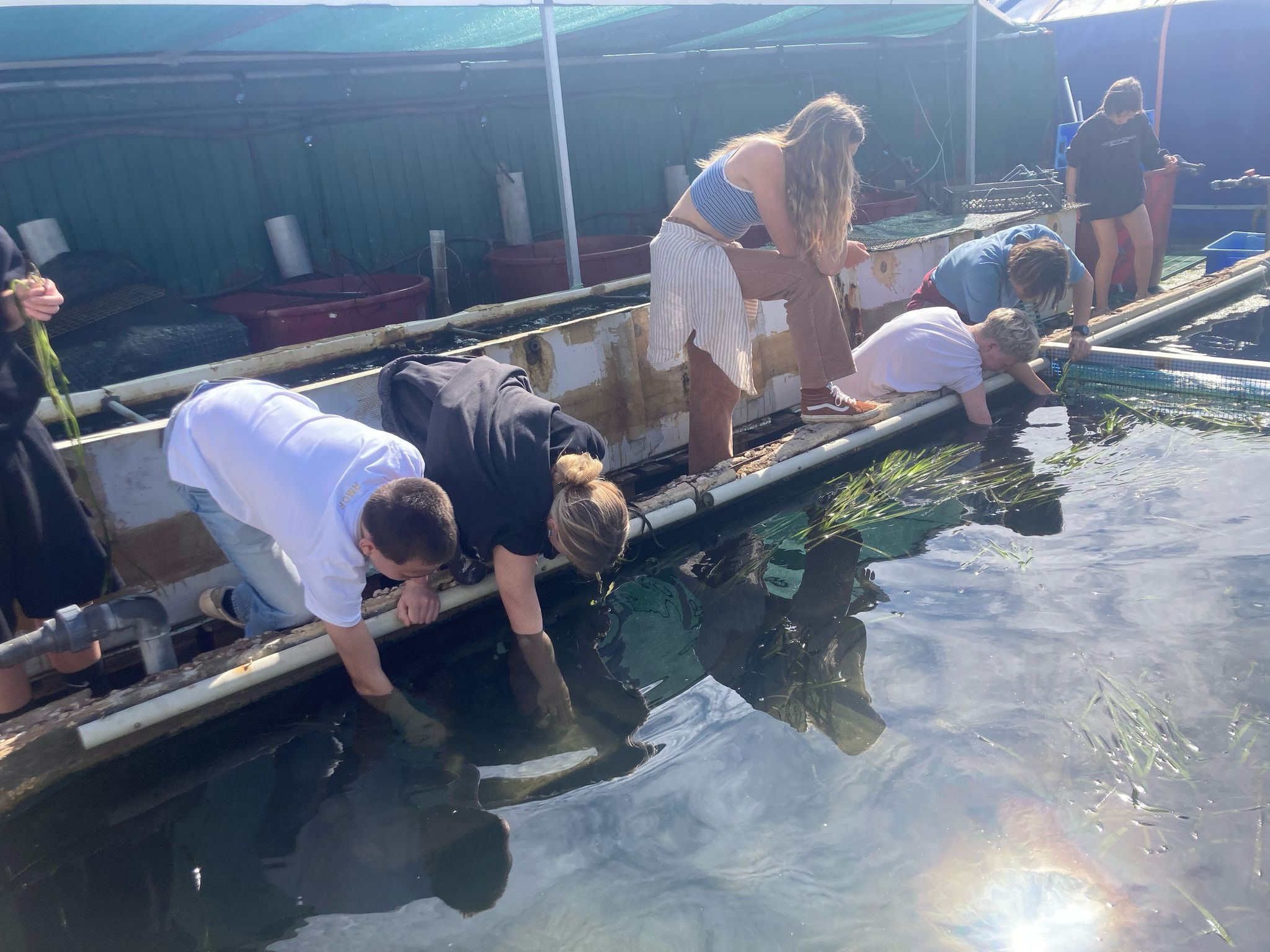
BioMarim will host Zostera spp. and Cymodocea nodosa cultures in subtidal tanks and create conditions for rare lagoon species such as Ruppia spp. and Althenia filiformis. In partnership with SPEA, configurations are also being designed to promote the nesting of waterbirds such as the common sandpiper, the ringed plover, and the redshank.
Necton: A Living Laboratory in the Heart of the Ria Formosa
Necton is a leading company in marine aquaculture, with extensive experience in microalgae production. Located in the heart of the Ria Formosa, it has made tanks from its facility available for the experimental cultivation of seaweed — a partnership that is already yielding its first results.
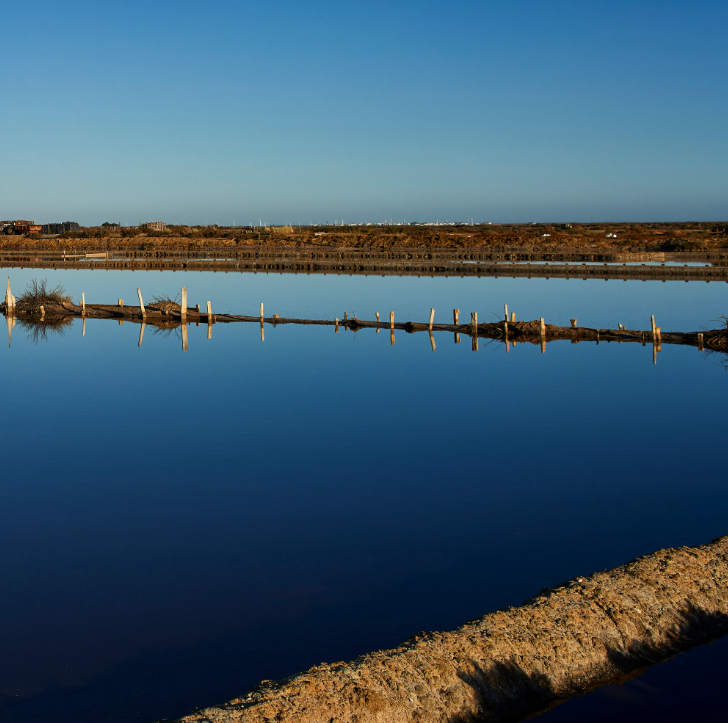
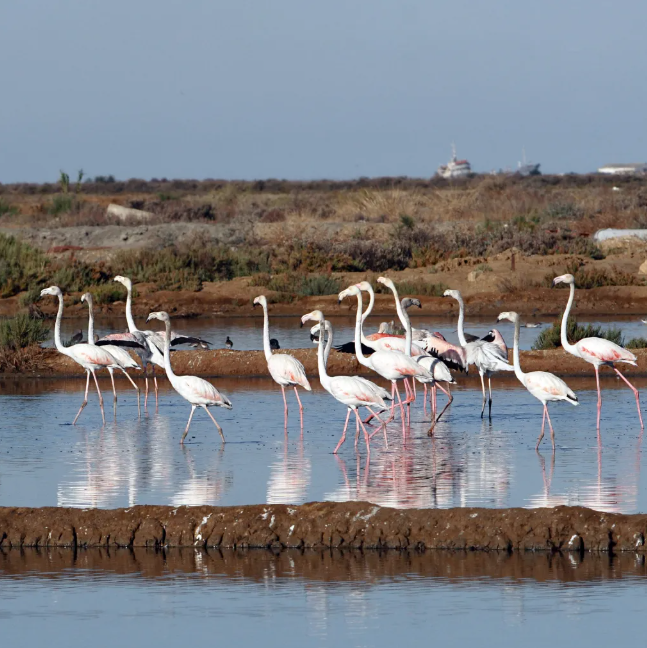
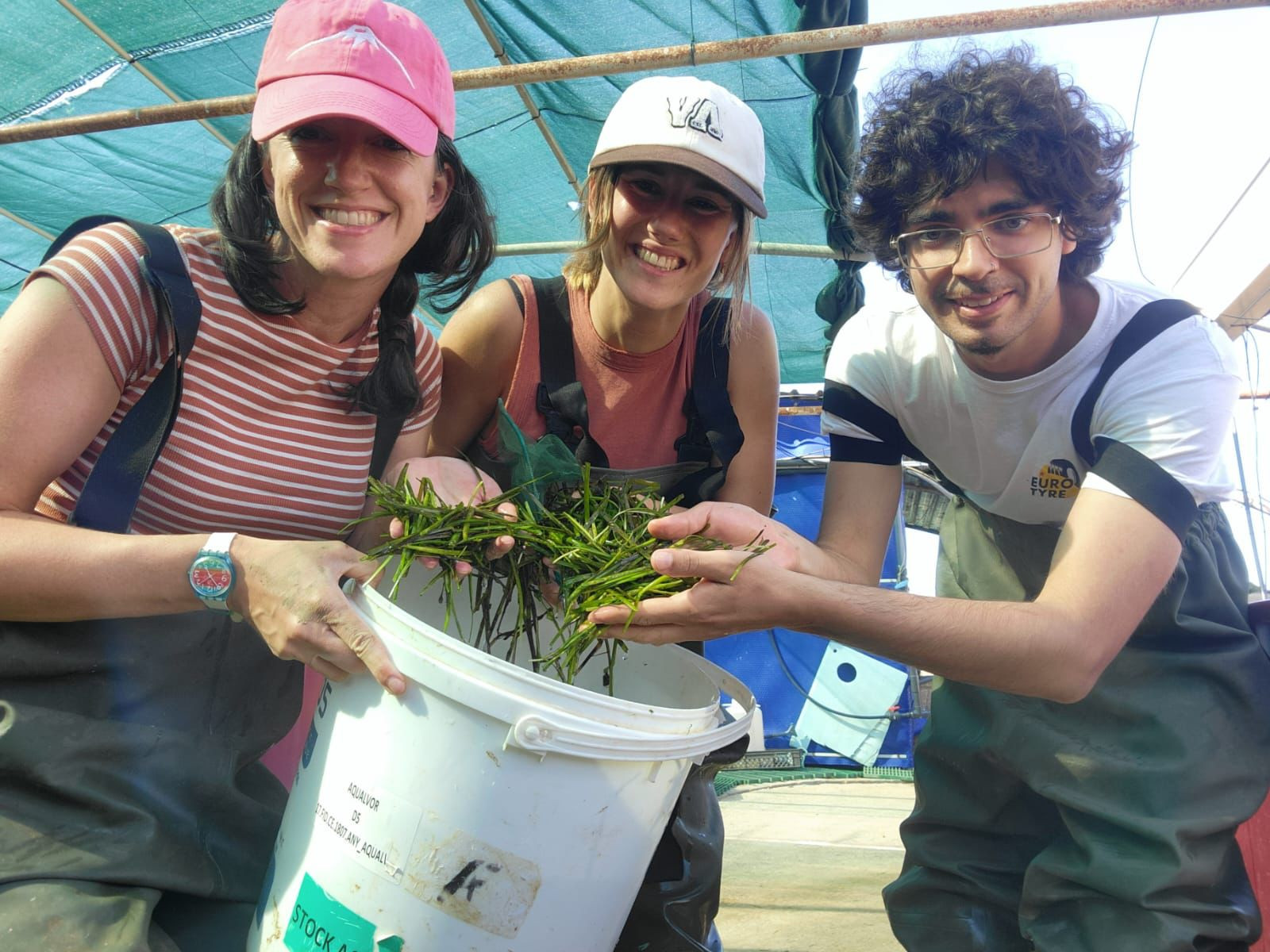
Necton’s tanks are home to pilot transplantations of Zostera noltei and Cymodocea nodosa, acclimatization tests, and, in a pioneering effort, the experimental cultivation of Ruppia spiralis. The goal is to create a sustainable source of plants for future restoration projects — reducing pressure on natural donor populations and proving that saltworks and marine conservation can go hand in hand.
Ramalhete: A Window into the Science of the Marshes
The Ramalhete Marine Station is a CCMAR research facility located on a peninsula in the heart of the Ria Formosa, with direct access to the tidal channels and equipped with outdoor tanks and laboratories. Its prime location makes it a natural starting point for fieldwork in the Ria Formosa.


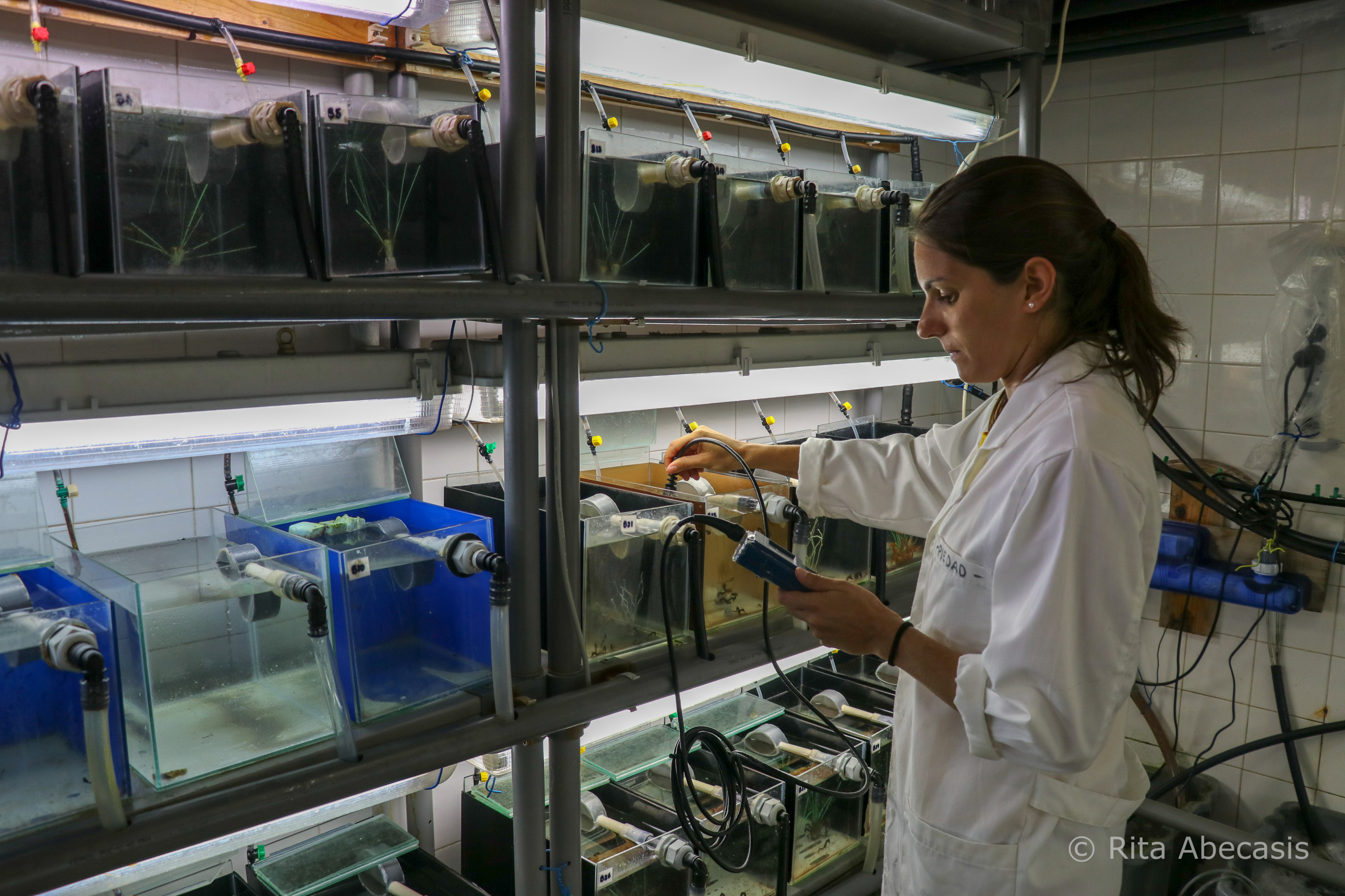
The project is exploring the potential of Ramalhete as a future hub for cultivation, demonstration, and education—a space where researchers, students, and visitors can observe up close the work being done to restore the grasslands and where, in the long term, a permanent capacity for cultivating seaweed can be established.

A Model for the Future
The Algarve’s salt pans hold enormous potential for conservation, science, and education. What is being developed in these three areas is not merely a collection of isolated experiments: it is a replicable model that can inspire other restoration projects along the Atlantic coast.
