Seagrass meadows in the Sado estuary
Seagrass meadows
of Sado estuary
Seagrass Meadows Supporting a Thriving Estuary
The Sado estuary is one of the most important in Portugal, both for nature and for people. Its seagrass meadows support small-scale fishing, provide food for birds and dolphins, protect the banks, and filter the water flowing through the estuary. A silent treasure, essential to the communities that have lived and worked in this area for generations.
Explore the grasslands of the Sado Estuary
The grasslands of the Sado are scattered throughout the estuary, each with its own species, history, and challenges.
Mapping of the Seagrass Beds in the Sado Estuary. Ocean Alive (2022–2025) and Mendes and Melo (2021); available in the Geocatalog of the Institute for Nature Conservation and Forests. The mapping of the seagrass beds at Praia da Galé, Cambalhão, Ponta do Adoxe, Caldeira, Campanário, Cabecinha-Cabra, Carraca, Açoreira, Sapal do Moinho Novo, Base-ferry, Soltróia, Ponte Pêra, Sebas da Lua, Malha, Curva do Pardal, Esteiro do Matinho/Adufas, Cabeça -Nova, and Glória was carried out by Ocean Alive. The mapping of the remaining seagrass beds was conducted as part of the ORTOSado-21 project and is available in the Geocatalog of the Institute for Nature Conservation and Forests (ICNF). Due to a technical issue, the ICNF data presented here has been simplified, but the full data can be accessed at: Priority Sebas (Seagrass) Habitat of the Sado Estuary (ORTOSado-2021) - Overview. The data can also be viewed and downloaded from the ICNF GeoCatalog (geoCATALOGO); simply load the WMS feed for the visualization and cite the respective credits and the data’s curation source.
©Ocean Alive & ICNF

Four Seagrass meadows, four stories
Cambalhão — a meadow sown by nature
This meadow has a remarkable origin: it was not planted by human hands, but sown by nature itself — likely from seeds carried from nearby Ponta do Adoxe. It is an inspiring example of the ecosystem’s natural ability to recover when conditions are favorable and healthy donor populations are nearby.
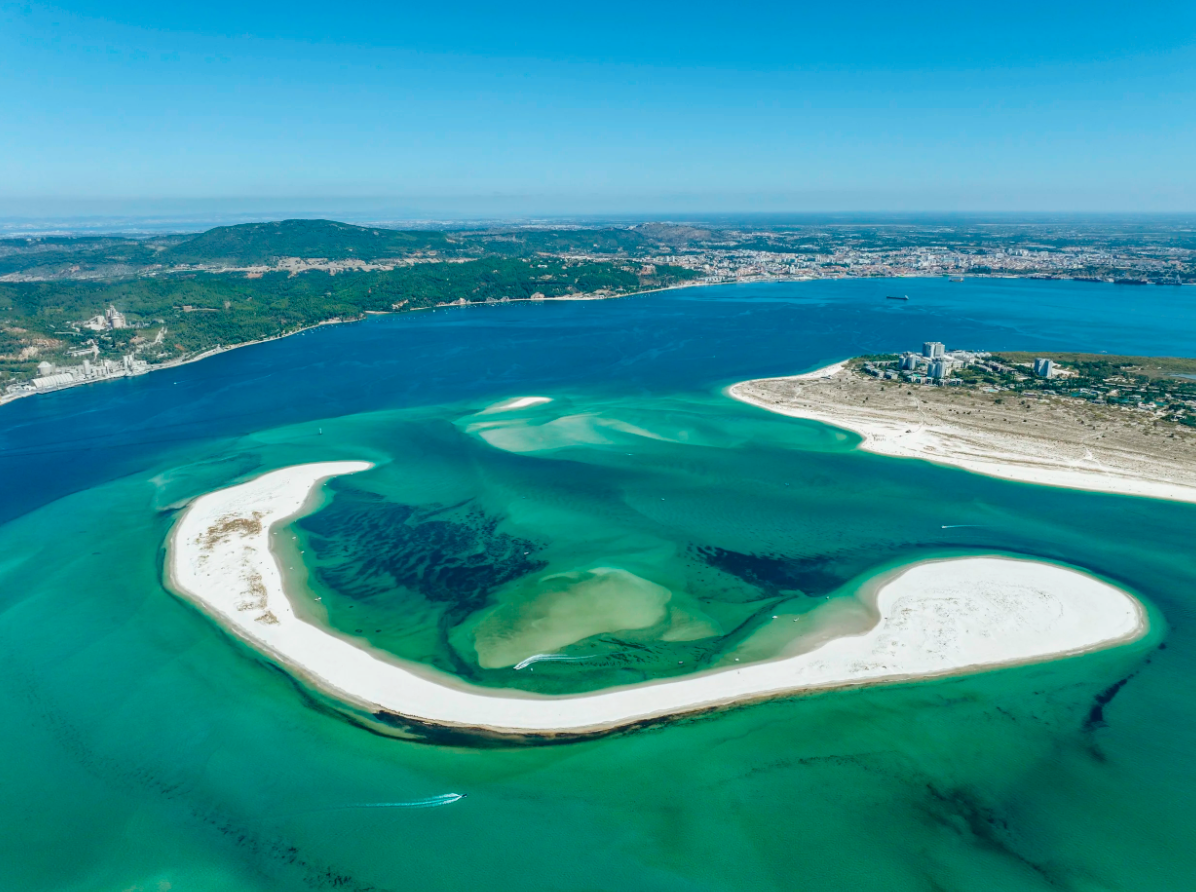
Base-Ferry — where the three species meet
The Base-Ferry seagrass meadow is a truly unique site in the estuary —and in Portugal. It is here that the three species of seagrass coexist in the same area, creating a mosaic of habitats of immense ecological and scientific value.
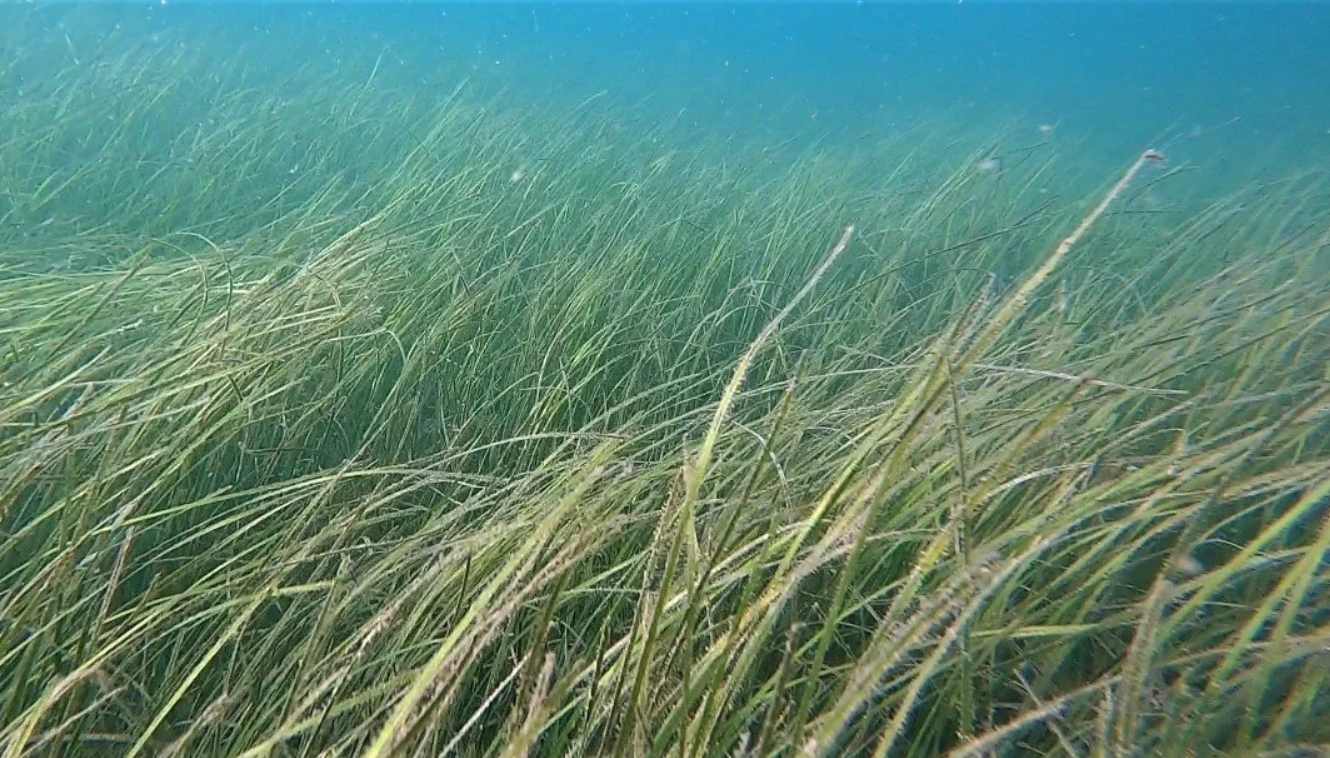
Soltróia — proof that removing threats works
This seagrass meadow is home to the largest patch of Cymodocea nodosa in the Sado estuary — and it is also a concrete example of the power of passive conservation. Removing a mooring line that ran across the seabed allowed for the recovery of 800 m² of seagrass meadow. Sometimes, all it takes is removing the problem for nature to do the rest.
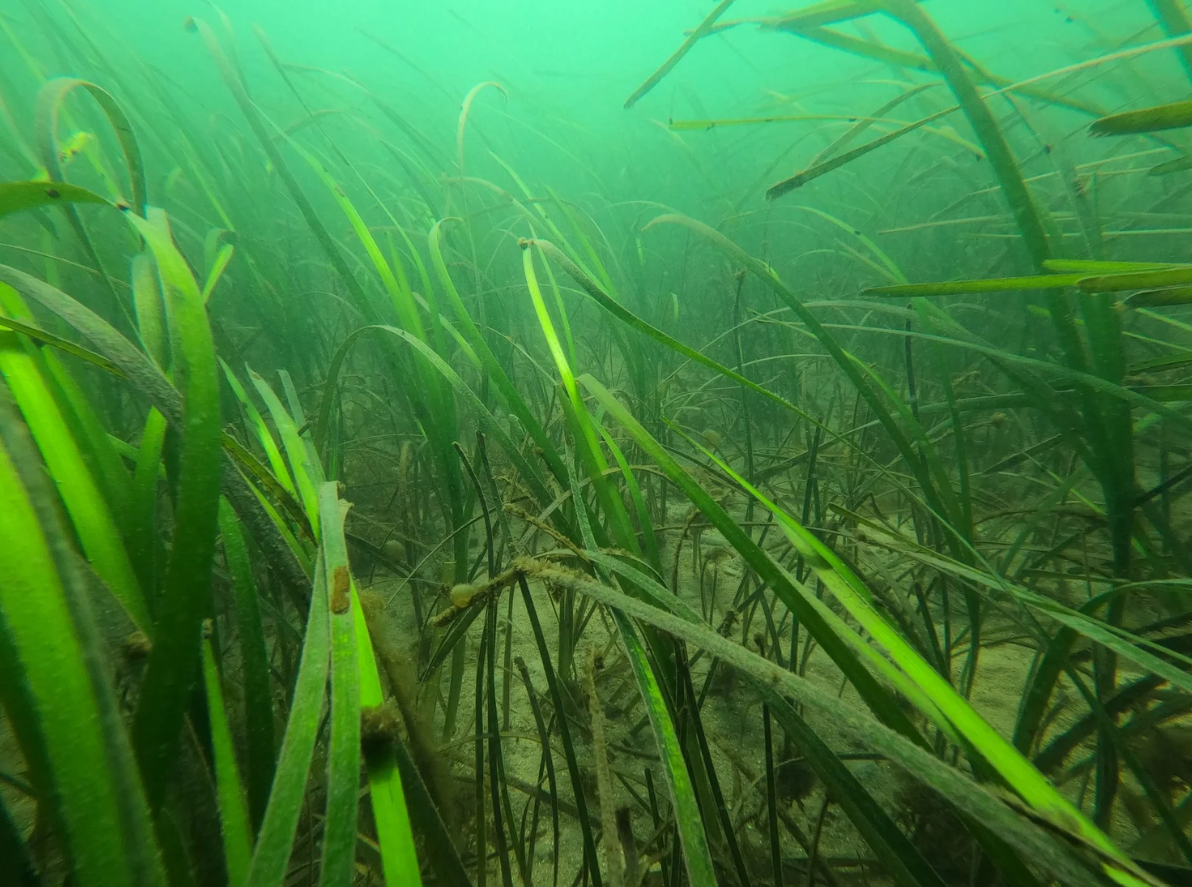
Ponta do Adoxe — the birthplace of the estuary’s seeds
The largest Zostera marina seagrass meadow in the entire Sado Estuary, located at the tip of the Tróia Peninsula. Its importance extends beyond its size: it serves as a natural source of seeds that fuels the spontaneous regeneration of other seagrass meadows in the estuary. Seed by seed, the estuary fills with seagrass meadows.
A Resilient Estuary — But Not Invincible
The history of the Sado grasslands is a story of loss and recovery. It shows that these habitats have a remarkable ability to regenerate—but also that this ability has its limits. Human pressures and climate change continue to threaten a fragile balance that must be preserved.