
Birds as witnesses
Birds
as witnesses
When the birds return, we know we’re on the right track
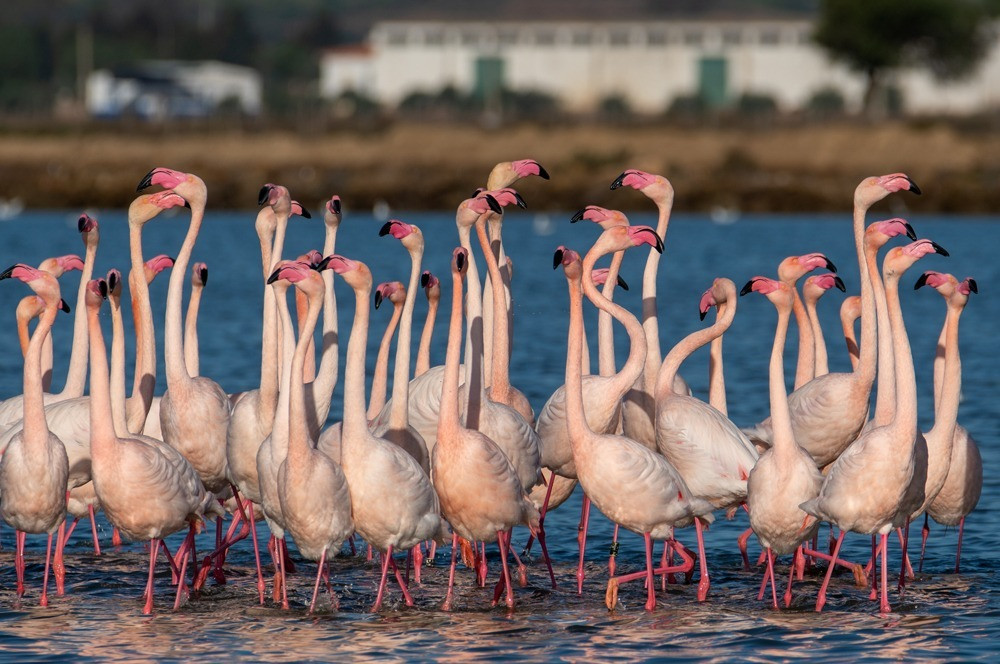
Birds are among the best indicators of an ecosystem’s health. Because they sit at the top of the food chain, their presence and abundance reflect the state of the grasslands, salt flats, and the entire web of life that depends on them. For us, bird counting is also a way to measure the success of grassland restoration.
“Umbrella” species: protecting one is protecting many
By protecting the habitats on which birds depend, we are indirectly protecting all the species that share the same ecosystem—fish, invertebrates, plants. Birds act as “umbrella” species: they are the visible sign of a functioning ecosystem. Their monitoring is carried out by SPEA, with regular campaigns in the Ria Formosa and Arrábida.
No Preview available before Saving. Please use the Save & Edit button and the backoffice preview will render.
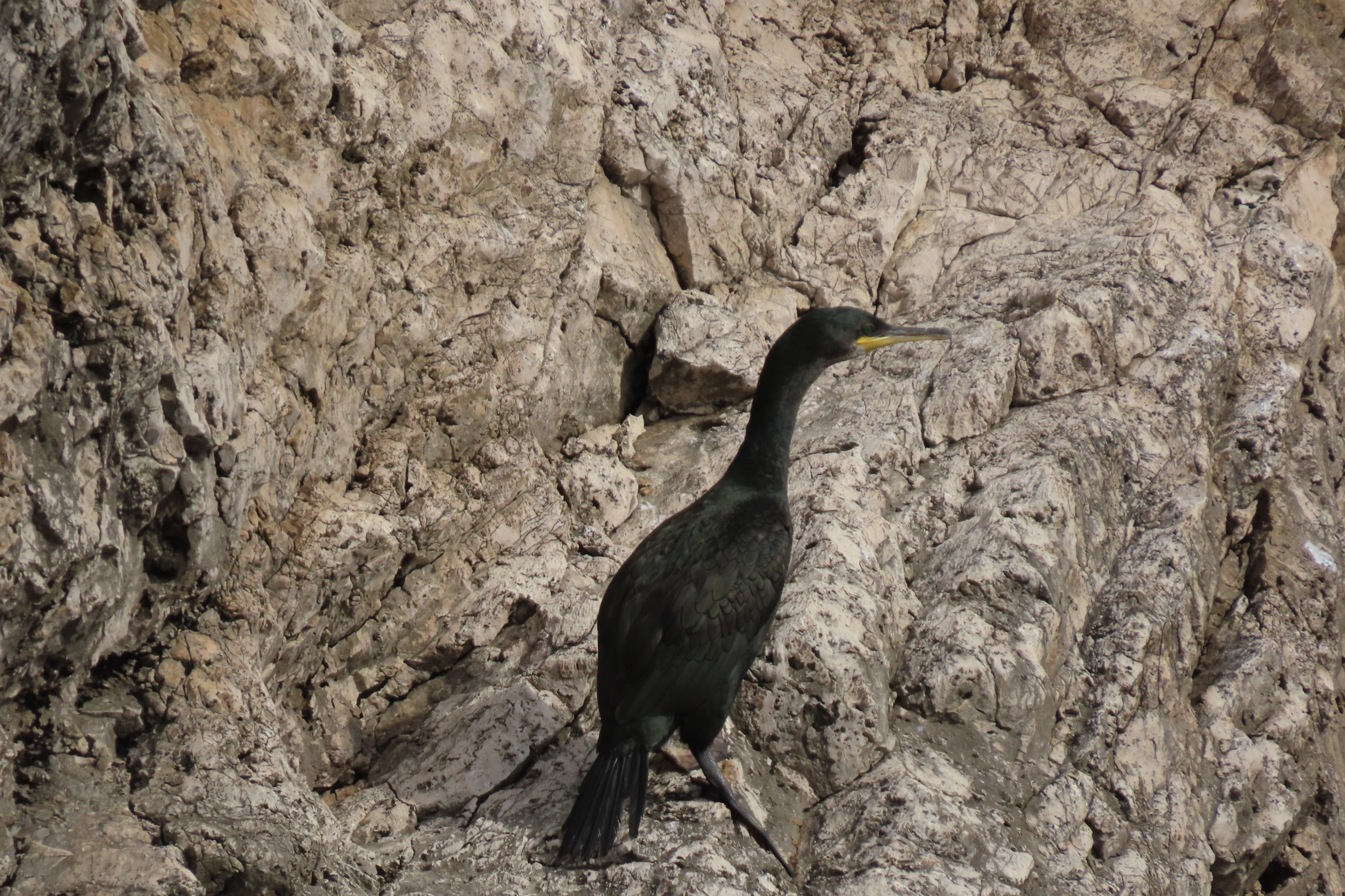
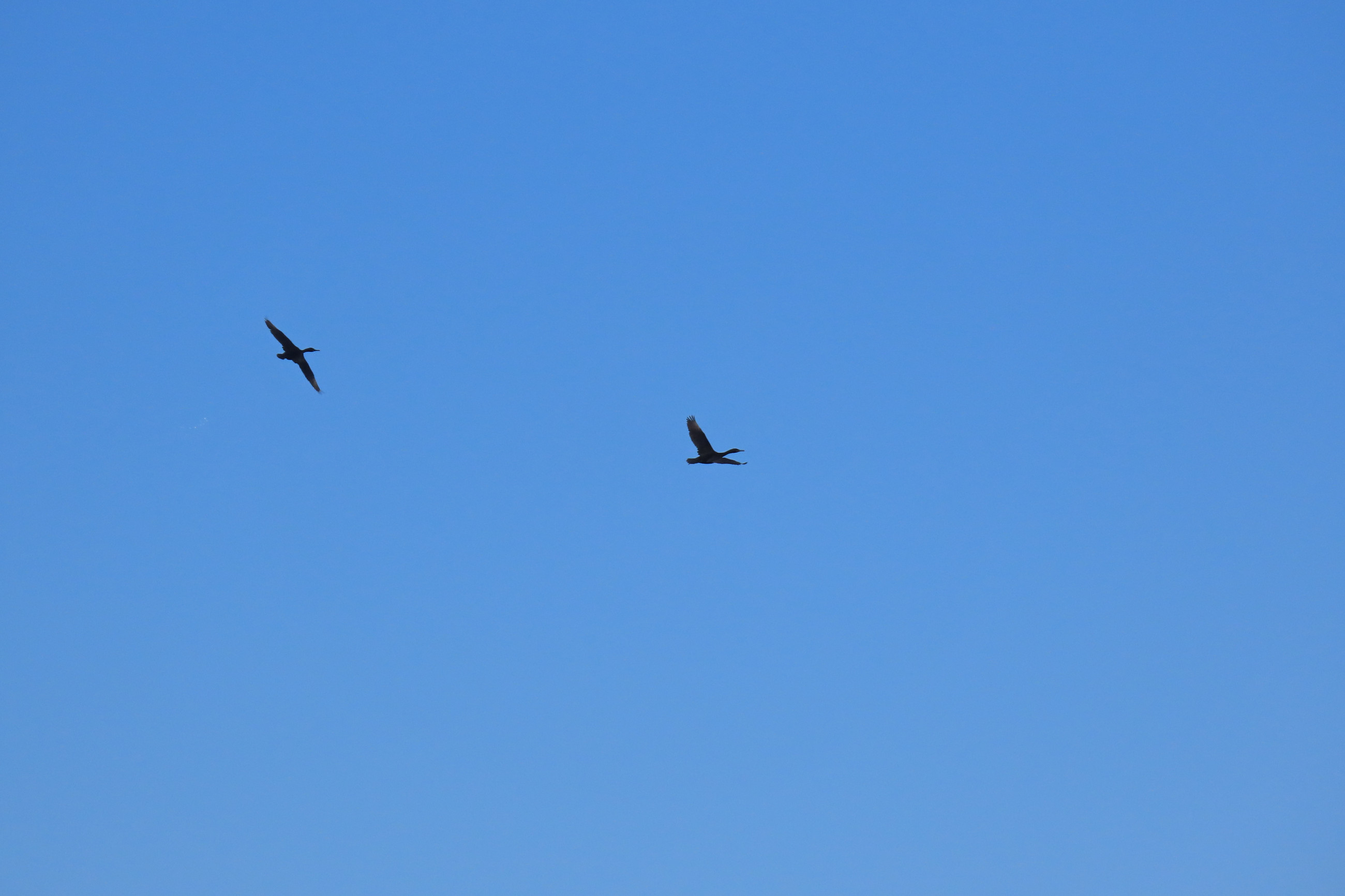
How are birds monitored?
We observe, count, and record — regularly and systematically. Monitoring combines various techniques, each revealing a different piece of the puzzle: what the birds eat, where they land, how many there are, and how their numbers vary throughout the seasons. It is field science — patient, systematic, and essential.
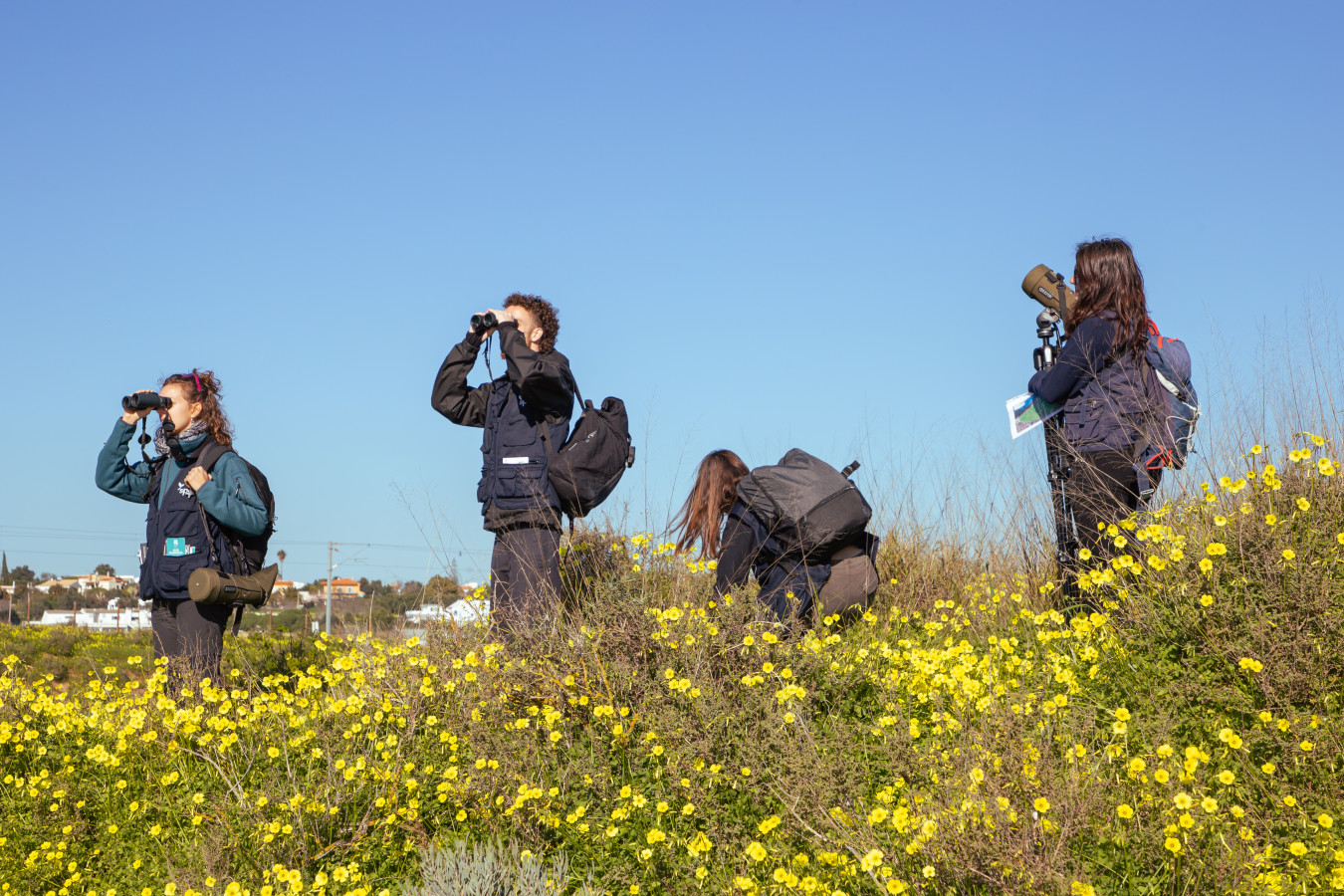
Bird Counting
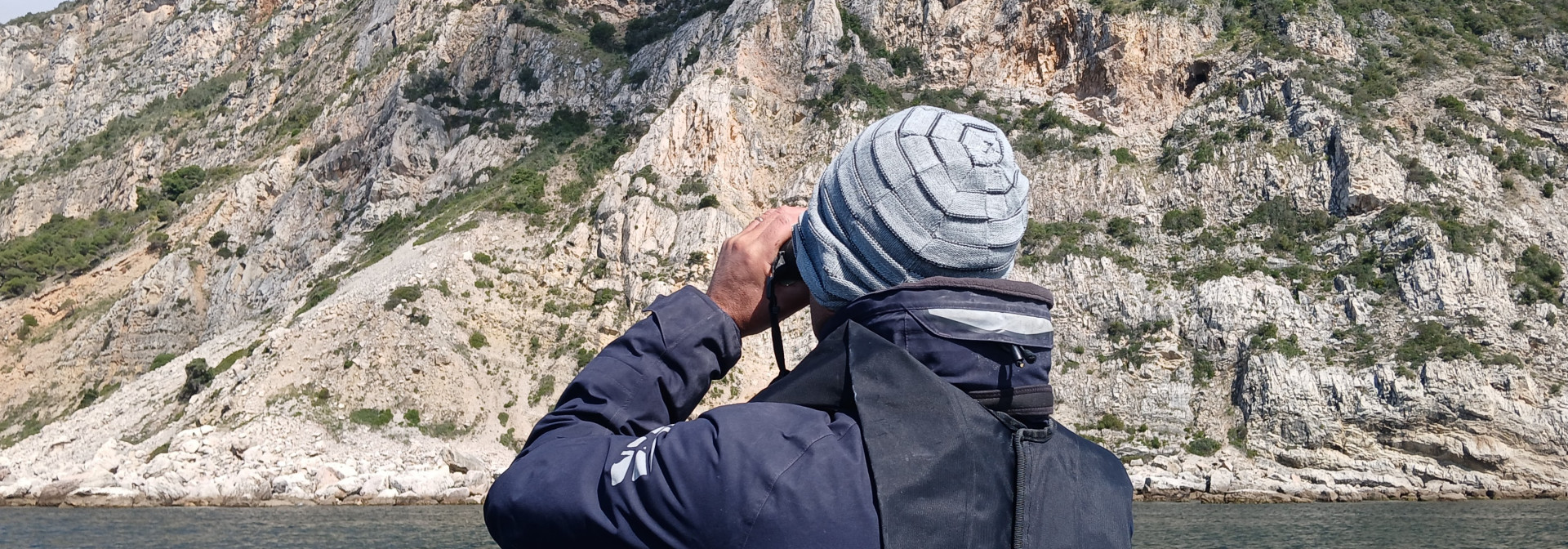
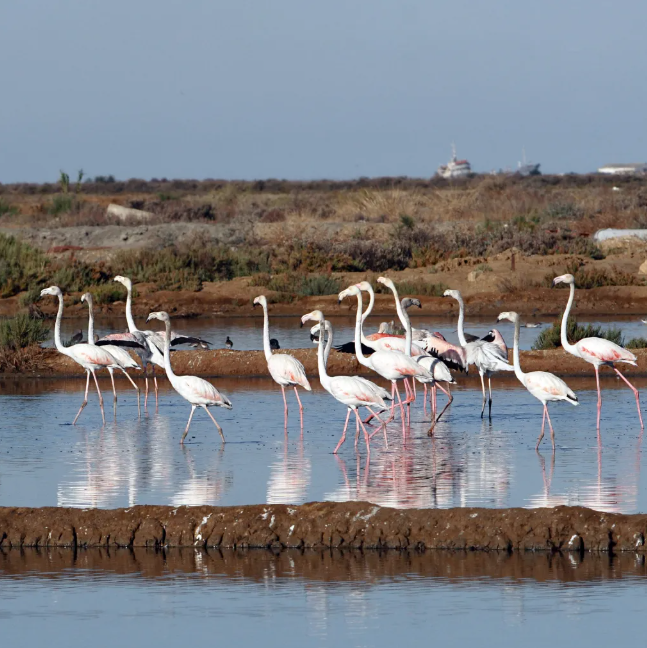
Armed with binoculars and a systematic approach, teams regularly survey the salt flats of the Ria Formosa and the Arrábida coast to count and identify the birds present. A task that seems simple on the surface — but one that, when repeated over time, reveals trends that would otherwise be impossible to detect.
What do they eat?
Birds regurgitate pellets containing the undigested remains of their food—bones, shells, and crustacean chitin. Analyzing these pellets is like reading the daily menu: it reveals which species of fish and invertebrates are using the seagrass beds as feeding grounds.
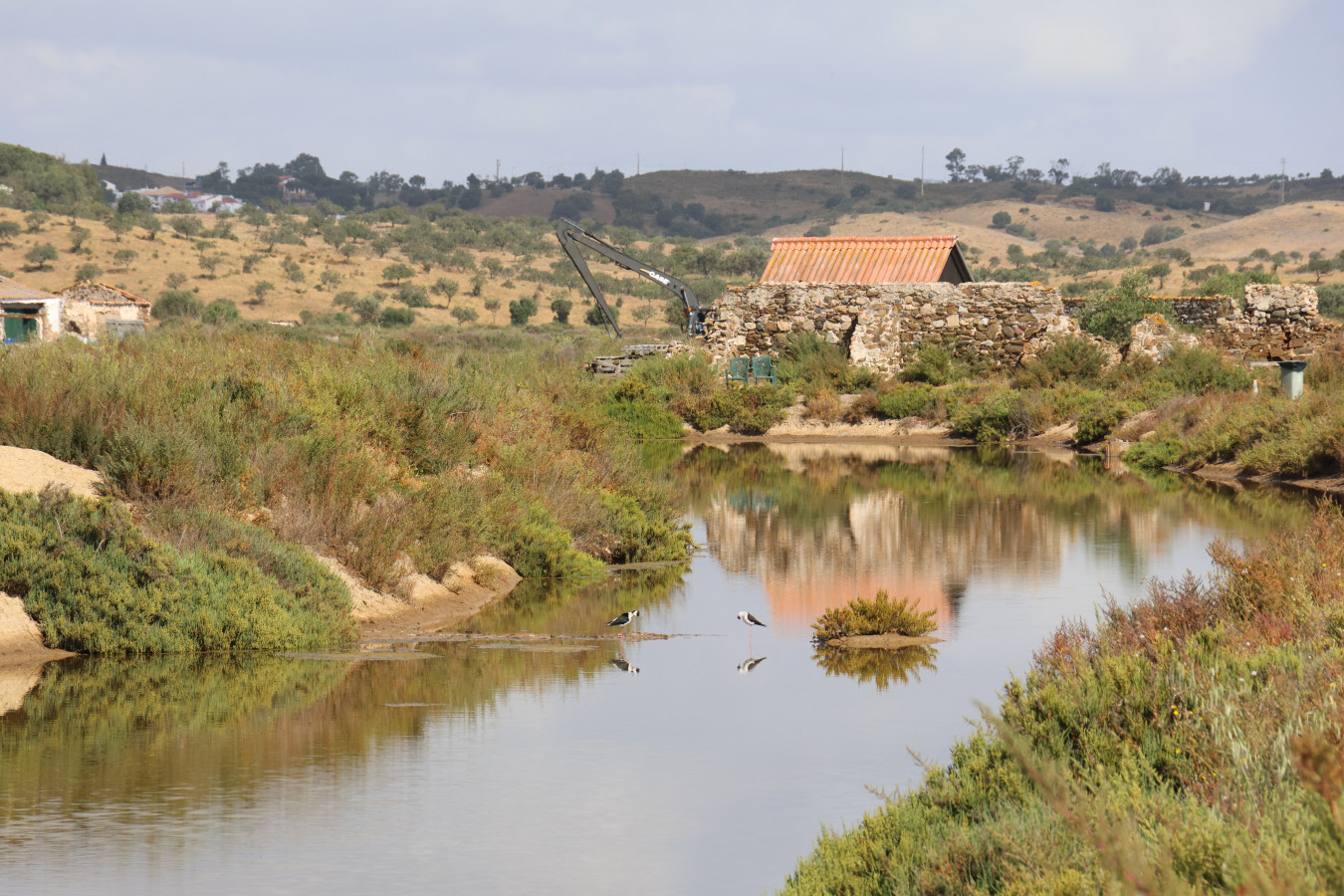
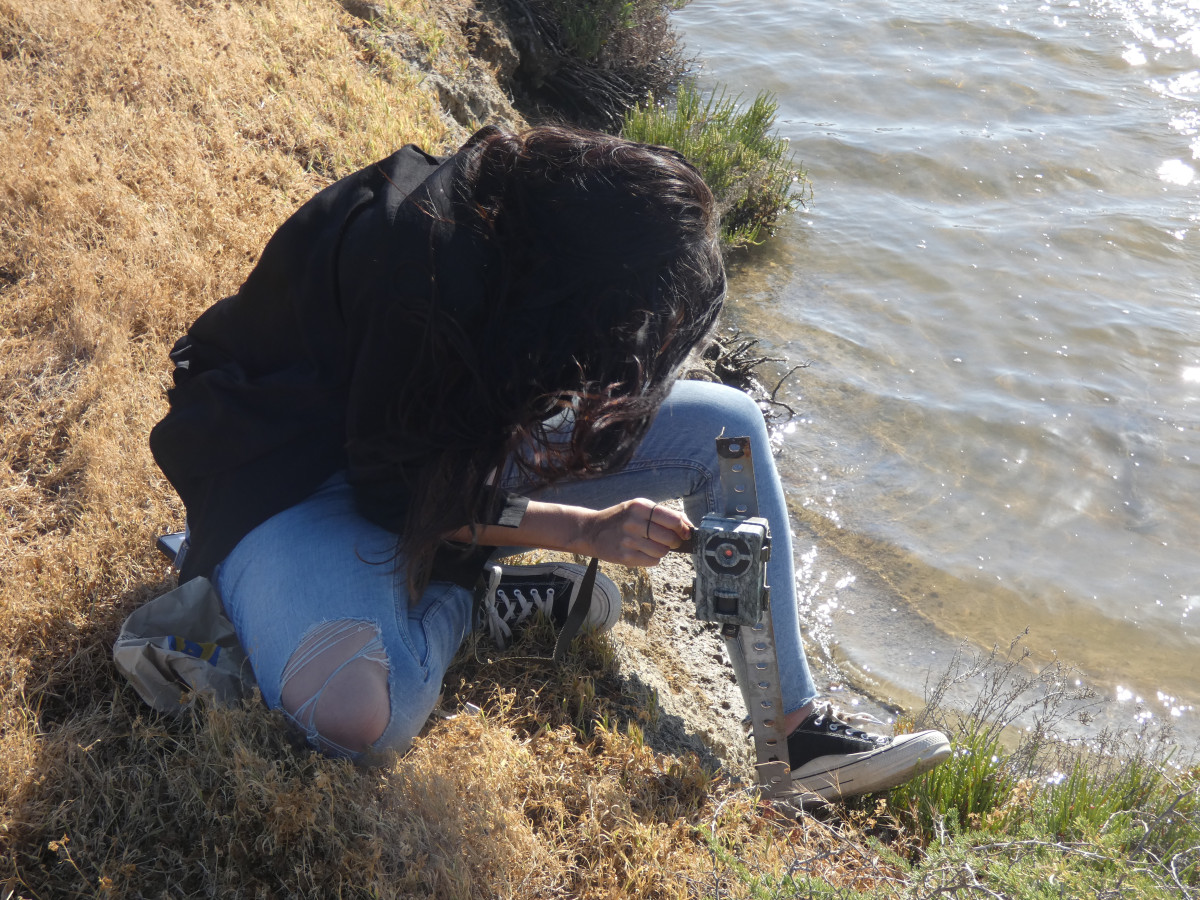
Cameras in the field
Cameras installed at strategic locations record bird activity around the clock—without disturbance and without human presence. They keep a constant watch on the ecosystem, complementing the observations made by field teams.
Part of a global network
The data we collect is part of the International Waterbird Census, a global initiative coordinated by Wetlands International. What we observe in the Ria Formosa contributes to a global picture of the health of coastal ecosystems.

A Living Thermometer for the Ocean
Every bird counted is a data point. Every species that returns is a sign. Bird monitoring isn’t just science — it’s a way to understand, over time, whether the grasslands are recovering and whether the ecosystem is coming back to life. And when the numbers go up, we know we’re on the right track.
