Under threat
Under threat
the ocean is losing its roots
Threatened seagrass beds: what the numbers tell us
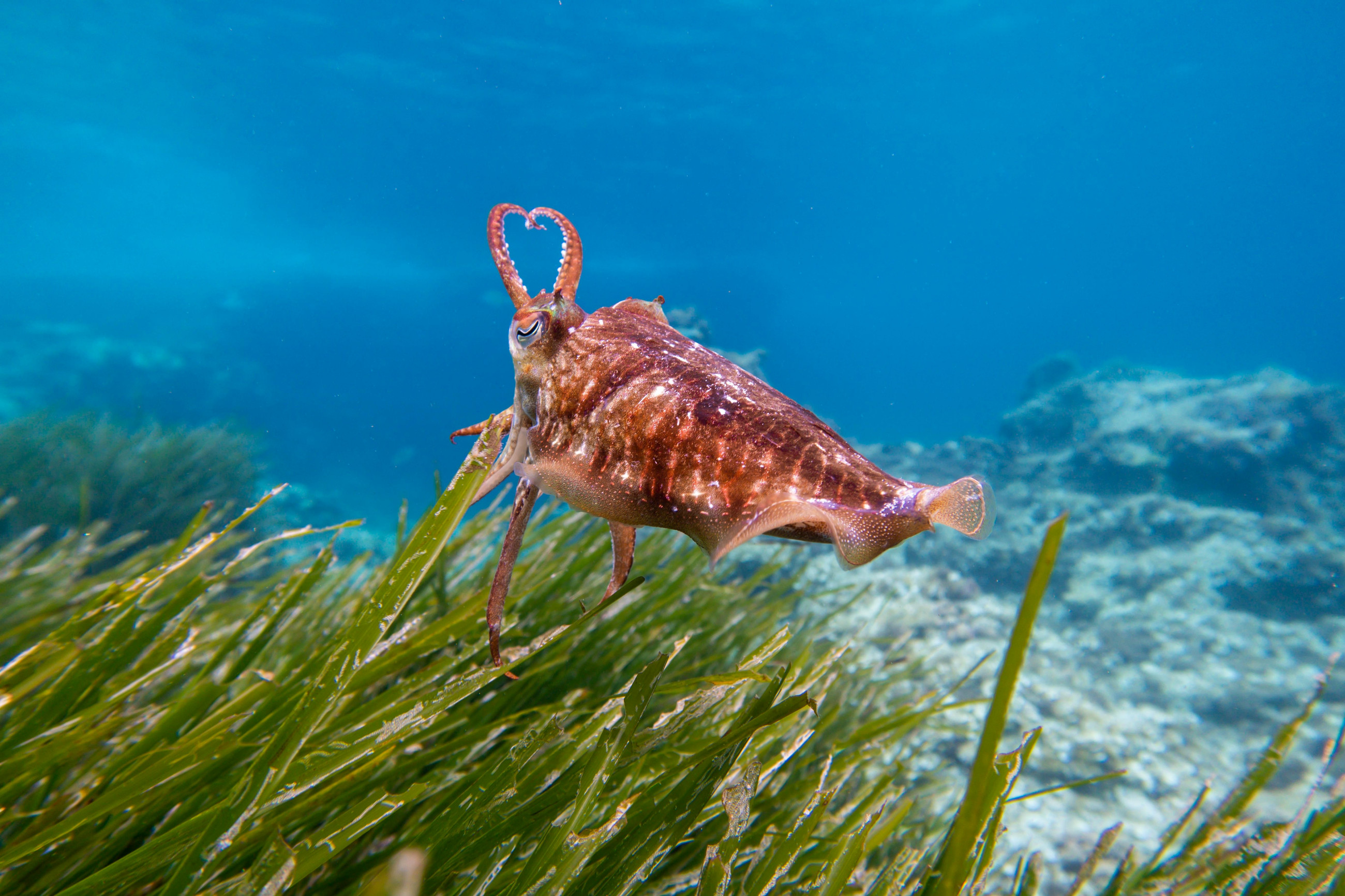
Seagrass meadows are among the most threatened ecosystems on the planet. Since 1879, the world has lost nearly a third of all seagrass beds that ever existed. A habitat that took millennia to form is disappearing before our very eyes, and most people didn’t even know it existed.
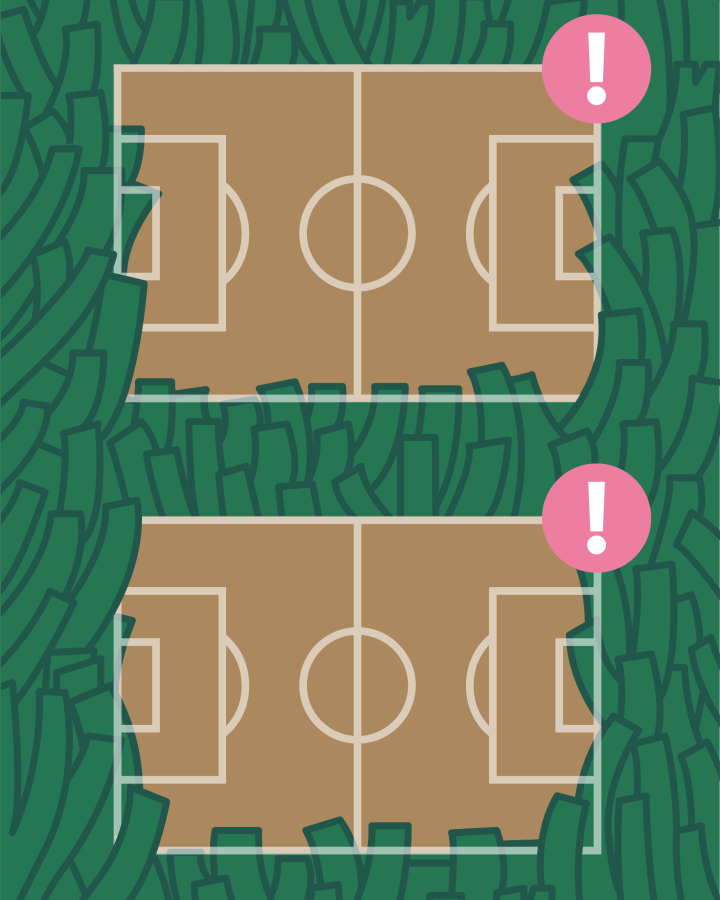
Two soccer fields per hour, lost forever
At the start of the 21st century, the world was losing seagrass beds at a rate of two soccer fields per hour. We had already lost 30% of the total area that ever existed. The good news: this trend is changing, thanks to conservation and restoration projects.
What threatens our seagrass beds?
Portugal’s seagrass beds are disappearing at an alarming rate. The threats are many—some visible, others silent. Understanding them is the first step toward stopping them.

Anchors: Scars on the seabed
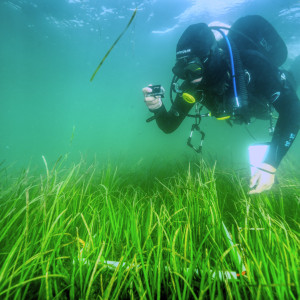
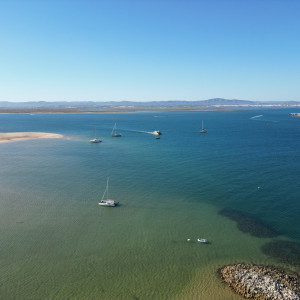
When an anchor drags across the seabed, it uproots plants and leaves scars that take decades to heal. The problem is exacerbated by disorderly anchoring—both official and illegal. Our studies confirm that anchoring is one of the main causes of damage to the seagrass beds of the Ria Formosa, where there is a lack of eco-friendly mooring structures.
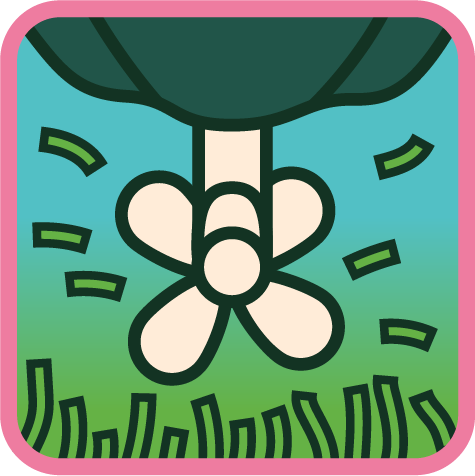
Propellers: Plowing the seabed without seeing It
In shallow waters, boat propellers plow through the sediment like a plow, destroying plants, roots, and rhizomes. The marks they leave are deep and long-lasting. In the Ria Formosa, the traces of this activity are visible in several areas of heavy boat traffic.

Ghost nets: Fishing that never stops
Fishing nets lost or abandoned on the seafloor continue to trap and kill fish, crustaceans, and seabirds. In addition, they drag along the seafloor and physically damage seagrass beds. An invisible threat, but one with very real consequences.

Caulerpa prolifera: a silent invader
Absent for 60 years, this green algae was rediscovered in the Ria Formosa in 2011. It forms dense mats that compete with native seagrasses for space, light, and nutrients - and spreads primarily in already degraded areas. The project detected its presence in 9 of the 27 subtidal seagrass meadows in the Ria Formosa.

Pollution: When excess suffocates life
The seagrass beds face a double threat from pollution. On the one hand, excess nutrients from fertilizers, sewage, and aquaculture cause algal blooms that cloud the water and suffocate the seagrass. On the other hand, plastics and debris accumulate on the seabed, blocking light, suffocating the roots, and introducing microplastics into the food chain.
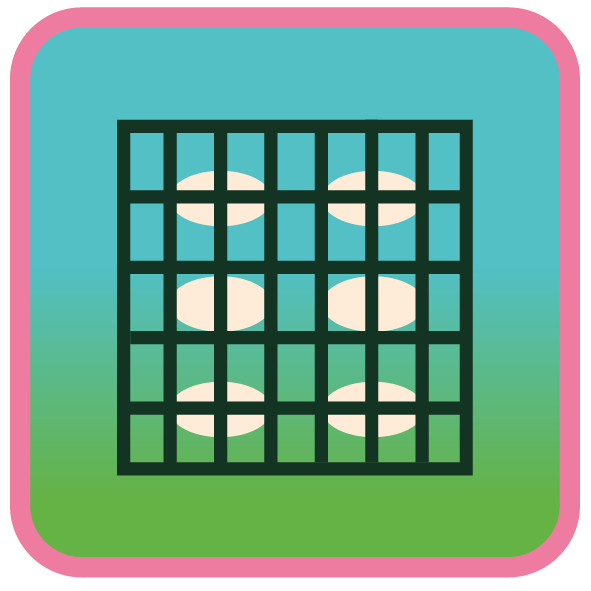
Bottom-set traps: when fishing suffocates seagrass beds
Bivalve nurseries, traps, and other fishing structures placed directly on the seagrass beds block light and physically crush the plants. The weight and shade of these structures prevent seagrass from growing, and repeated installation in the same location can gradually and silently destroy entire seagrass beds.

Concrete and erosion: When the coastline changes shape
Ports, marinas, jetties, and dredging alter currents and sedimentation patterns. Seagrass beds can be buried by excess sediment or exposed and uprooted when sediment is lacking. Both situations are deadly, and the effects extend far beyond the construction zone.
Climate: The multiplier of all threats
Warming waters, rising sea levels, and more frequent storms and heat waves act as an amplifier for all other threats. Zostera noltei, an intertidal species, is particularly vulnerable: if sea levels rise without room to migrate to more inland areas, it loses its habitat.
Understanding is the first step toward protection
The threats are real, but they are not inevitable. Every anchor dropped in a prairie is a choice. Every discharge of pollution is a consequence of human decisions. And human decisions can change. Understanding what threatens these habitats is the first step toward taking action—and much is already being done.