Seagrass meadows in Portugal
Seagrass meadows
in Portugal
Three Species, One Vital Role
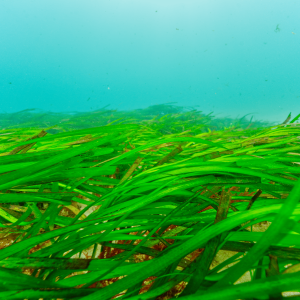
In mainland Portugal, there are three species of seagrass that form extensive underwater meadows—habitats we seek to protect and restore. Each has its own form, preferred habitat, and role in the ecosystem. Getting to know them is the first step toward protecting them.
What species form seagrass meadows in Portugal?

Zostera noltei
the most common species in tidal zones
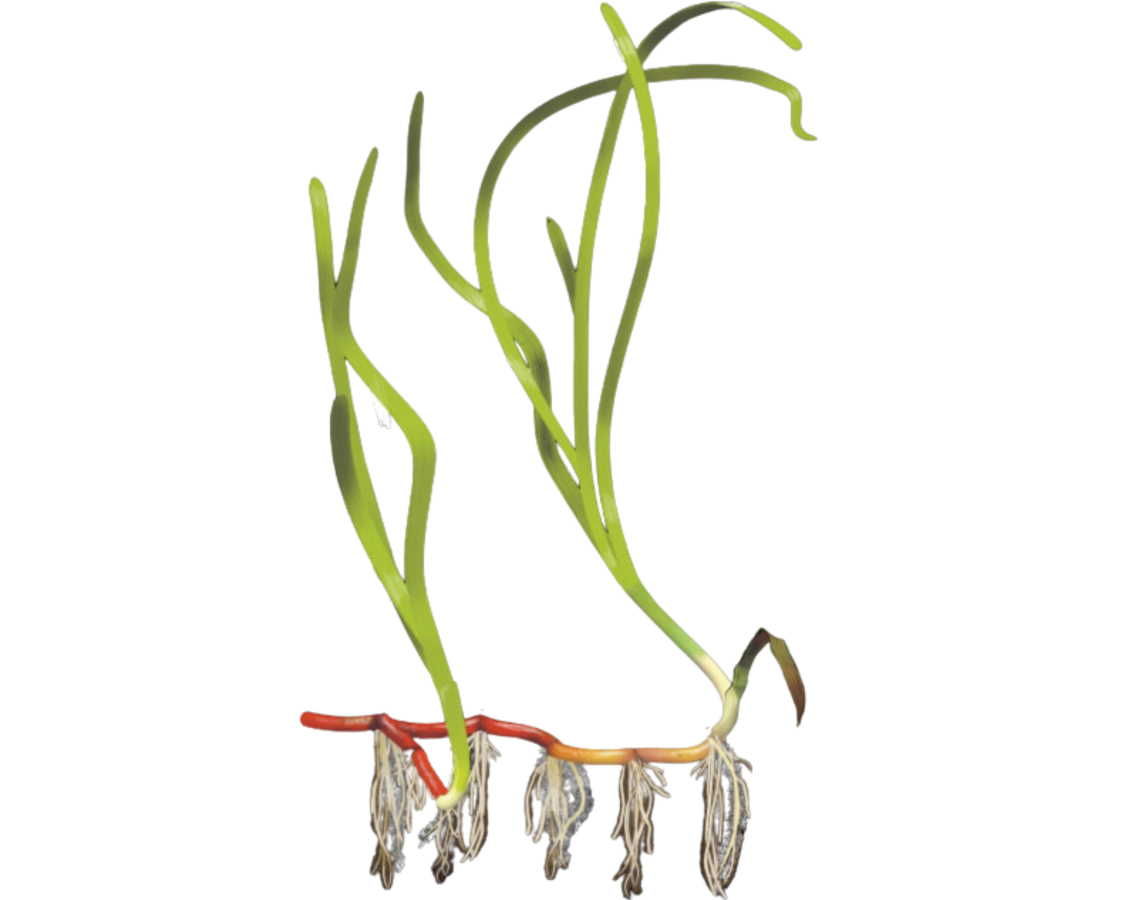
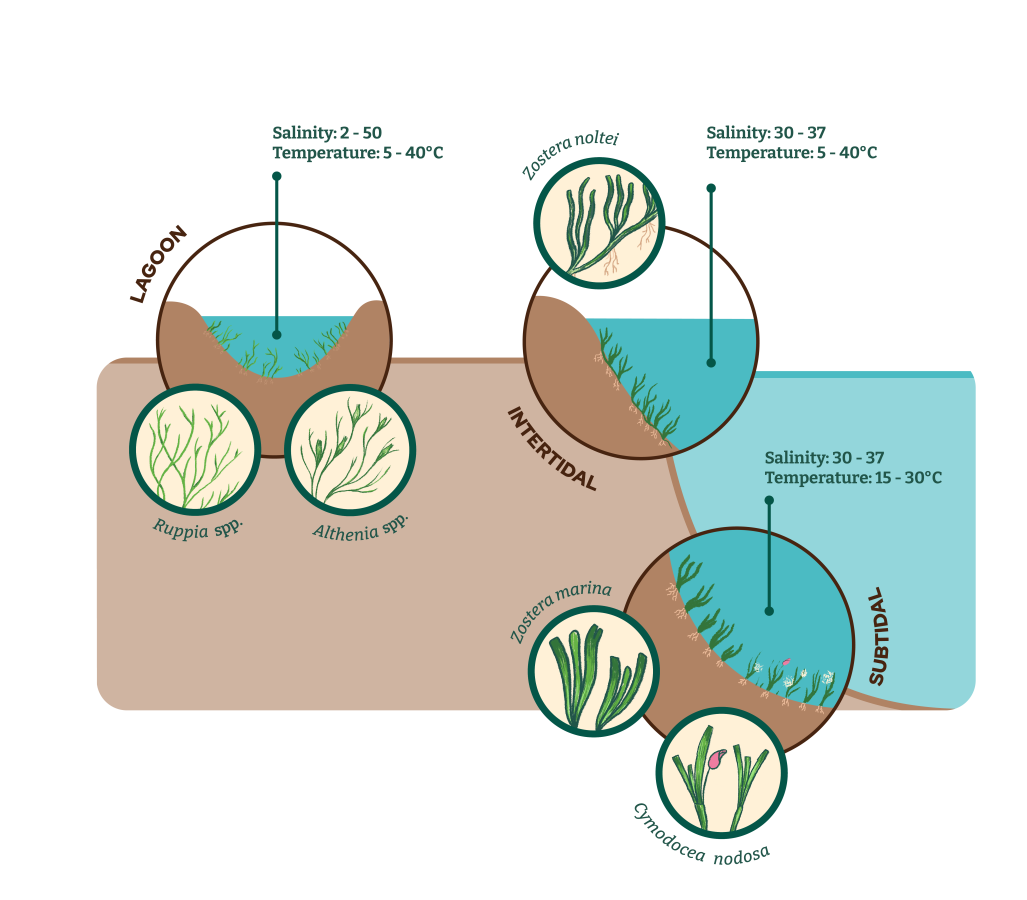
The hardiest of the three: it is the only one that forms meadows in the intertidal zone, remaining exposed at low tide. Its leaves are very thin, growing up to 25 cm long, and its rhizomes have a characteristic greenish-yellow color. It is also the only one of the three that is not threatened in Portugal.
Zostera marina
the seagrass meadow of calm waters
Larger and sturdier, this species prefers to live completely submerged—it is strictly subtidal. The leaves are wider, ending in a rounded tip, and can reach 60 cm. The rhizomes are thick, with thin roots at each node. It forms meadows in areas of calm waters and is considered threatened in Portugal.

Cymodocea nodosa
the southern specialist
It is recognized by the serrated tips of its leaves and its pinkish rhizomes. It grows in groups of 3 to 4 leaves per shoot and can reach 60 cm. Like Zostera marina, it is a subtidal species, dominating the channels of the Ria Formosa and other areas of the south and southwest coast, including the Sado estuary. It is also threatened in Portugal.
See how the three species differ
Diogo Paulo, a researcher at CCMAR and conservation specialist, explains how to identify each of the three species of seagrass that form seagrass beds in Portugal.

Each species in its own place
The three species do not all live in the same place. Zostera noltei occupies the intertidal zone — it is exposed at low tide. Zostera marina and Cymodocea nodosa prefer the subtidal zone, which is always submerged and has more stable salinity and temperature. Each species is adapted to the conditions of its habitat.
Lagoon Plants
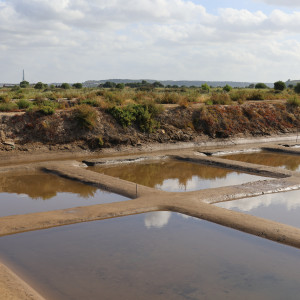
In coastal lagoons, where salinity and temperature vary greatly, other equally fascinating aquatic plants thrive — Ruppia spp. and Althenia spp. These are the “specialists,” adapted to extreme conditions that few plants can withstand.
Where can you find seagrass meadows in Portugal?
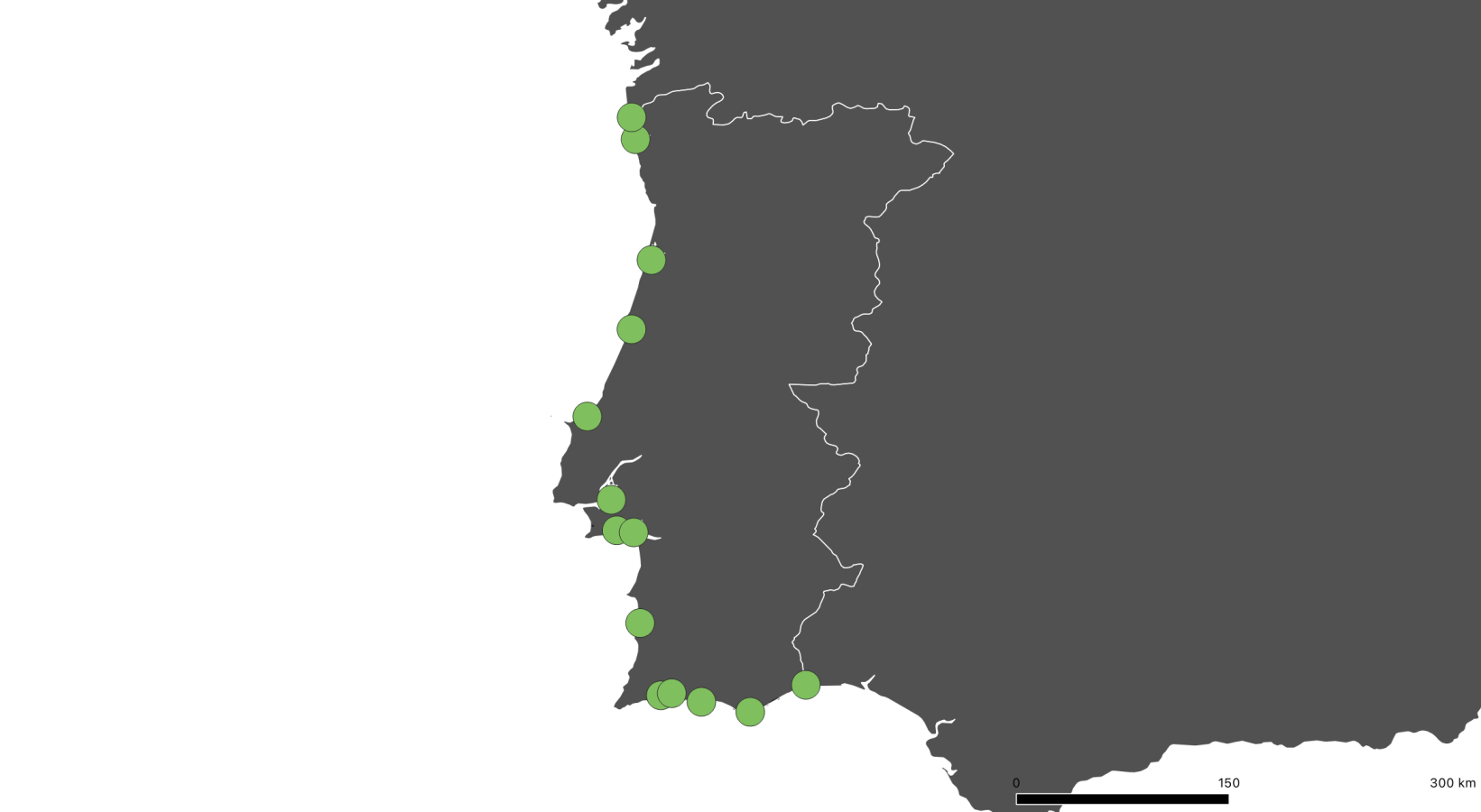
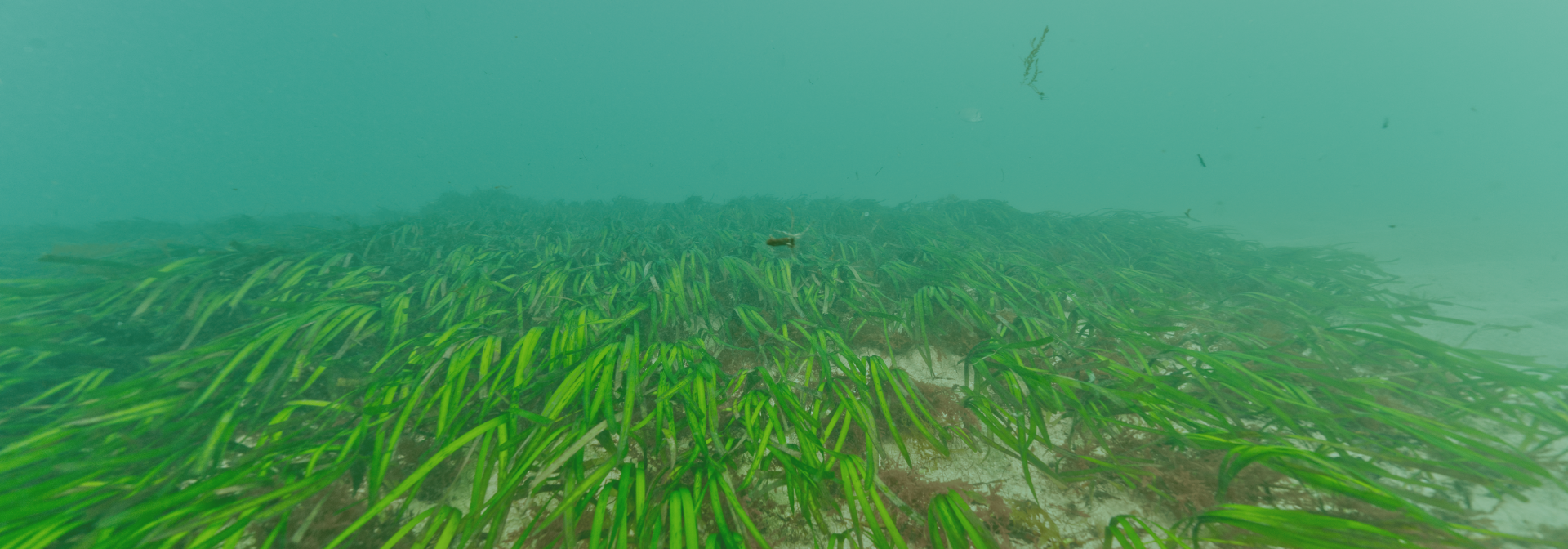
Seagrass beds are concentrated in sheltered areas along the Portuguese coast, where the waves are calmer and the water is clearer. The main locations are the Sado Estuary, the Ria Formosa, the Ria de Aveiro, and the Óbidos Lagoon.