
Arrábida: rediscovering its riches
Seagrass meadows
of Arrábida

A Story of Loss, Resilience, and Recovery
The Arrábida coast, part of the Professor Luiz Saldanha Marine Park, is one of Portugal’s richest marine ecosystems — with over 1,300 identified species. But this underwater paradise has a difficult history: its seagrass meadows were almost completely destroyed by human activity.
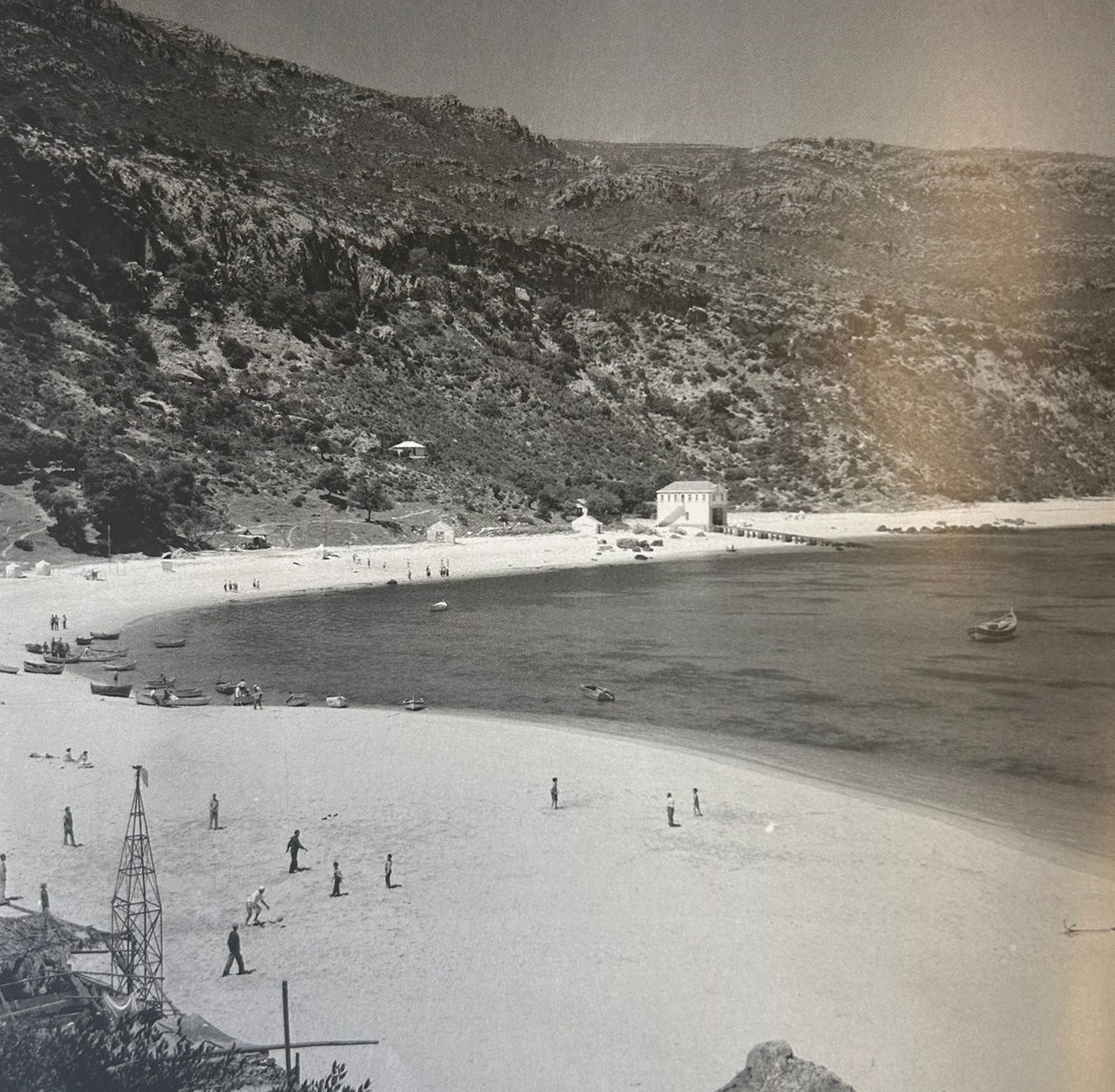

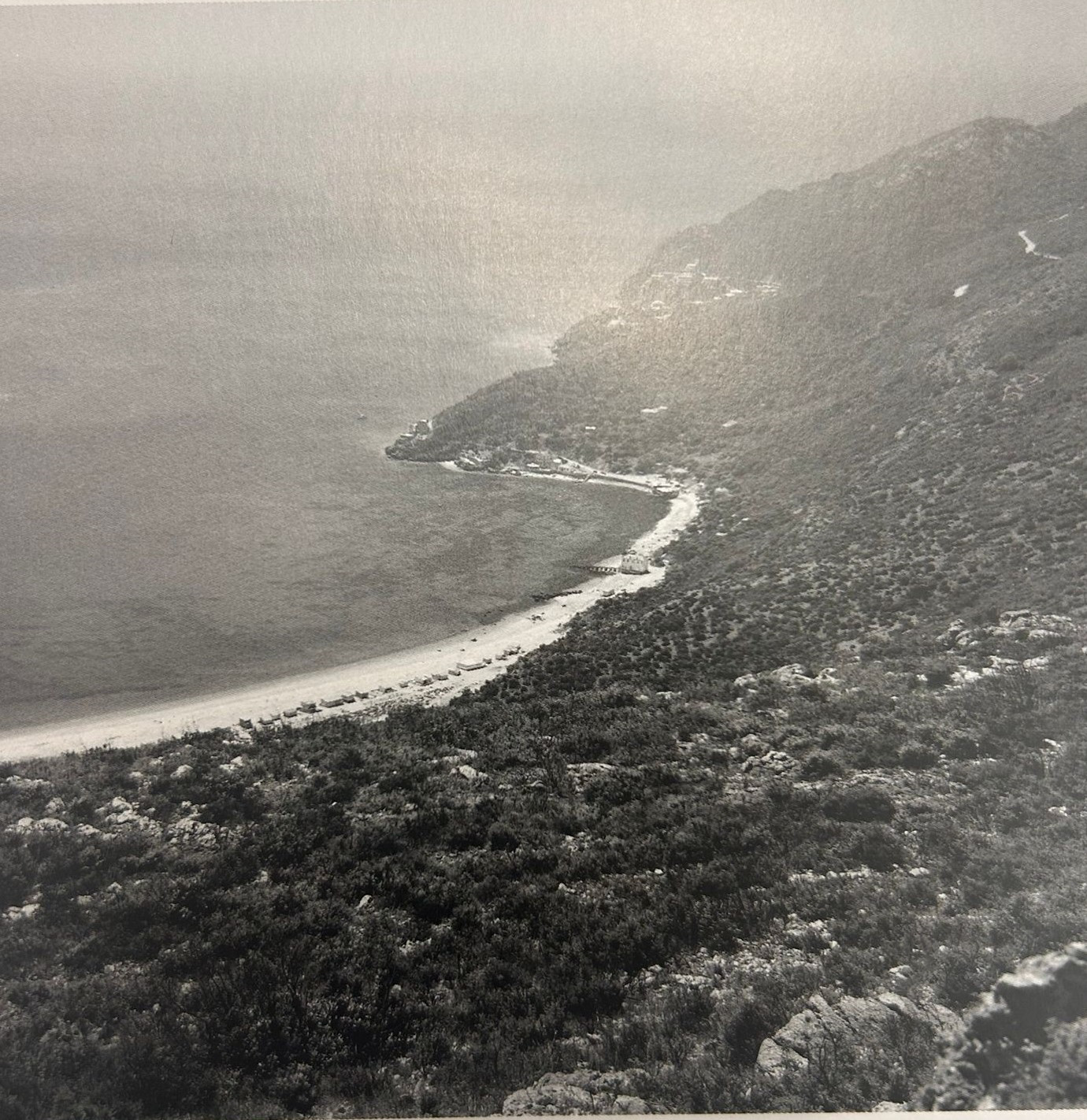
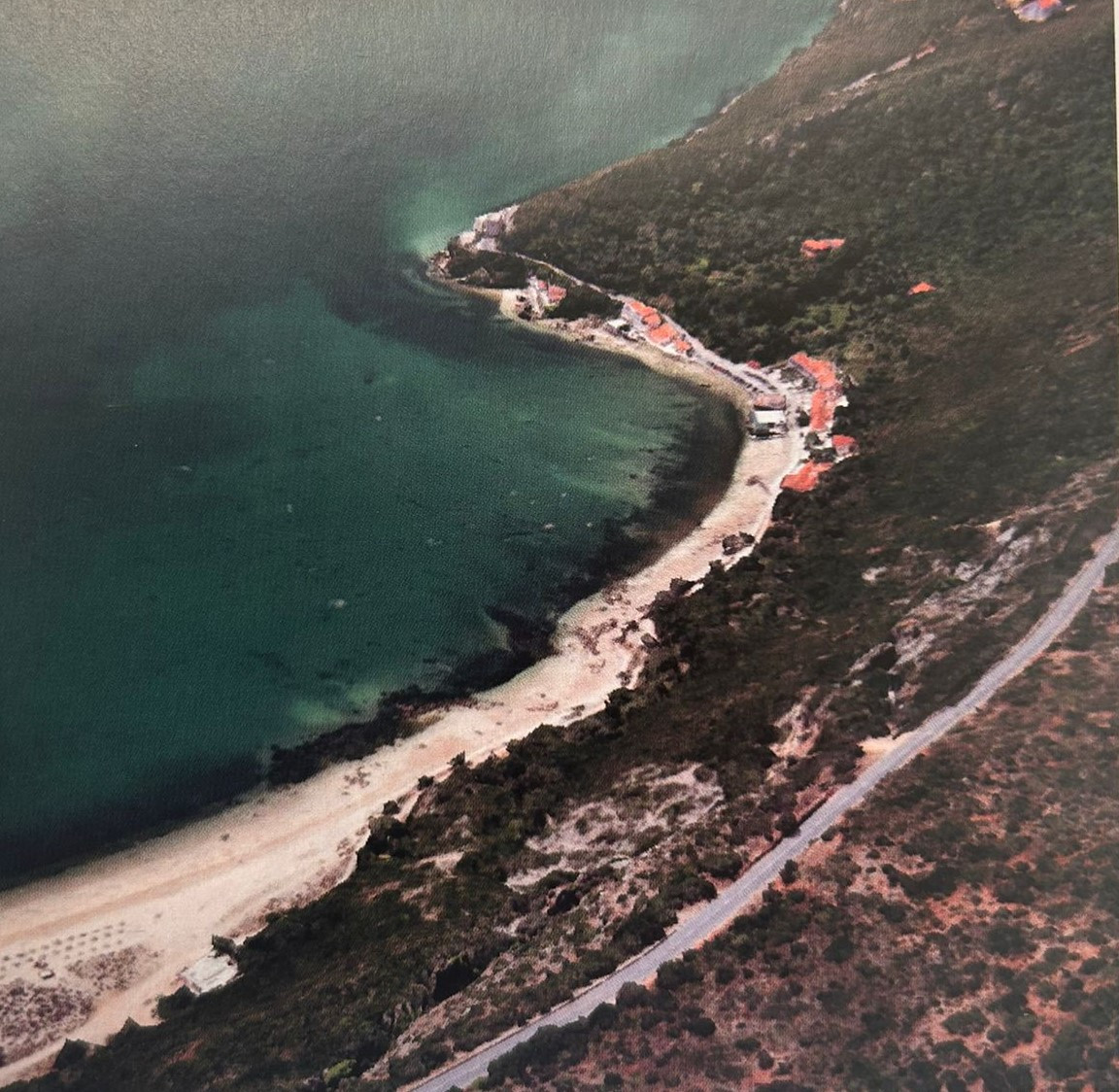

From 30 hectares to almost nothing: the collapse of a seagrass meadow
Just a few decades ago, the seagrass meadows at Portinho da Arrábida was covered by extensive seagrass meadows. In 1980, there were 30 hectares — a vibrant green carpet that supported fish, seahorses, cuttlefish, and dozens of other species. Less than thirty years later, that carpet had almost completely disappeared.
Dredges and anchors: the destroyers of the seabed
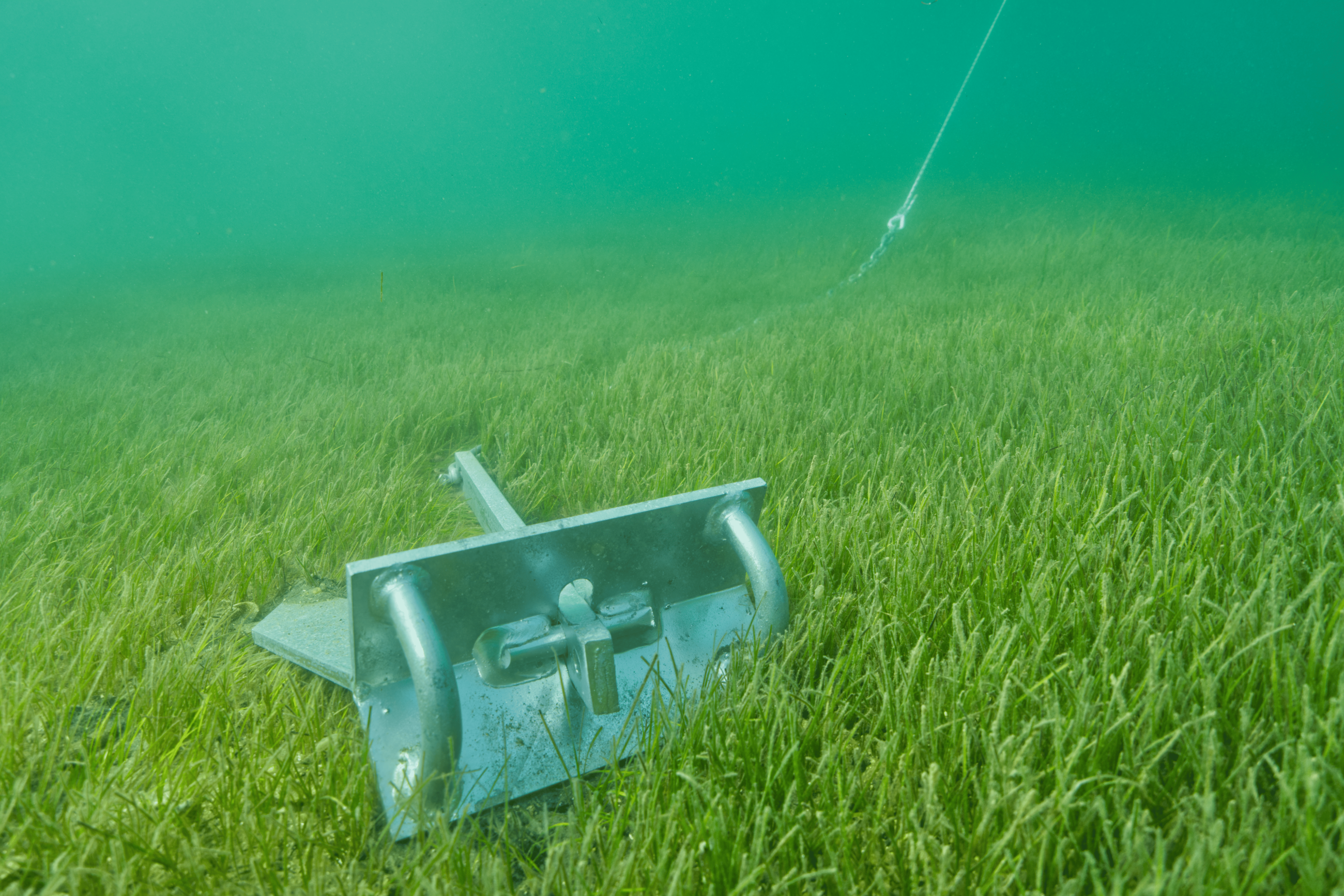
The main cause was the illegal harvesting of bivalves using dredges — fishing gear that ravages the seabed and tears up everything in its path. The unregulated anchoring of recreational boats did the rest, creating clearings that erosion gradually widened. A silent but devastating destruction.
BIOMARES Program
The first attempt to restore life to the seabed
In 2007, the BIOMARES project — also funded by the LIFE program — was launched with a pioneering effort to replant the Arrábida seagrass meadows. Transplantation, monitoring, mapping, and scientific knowledge accumulated over nearly two decades: it was this program that laid the foundations for the work that RESTORESEAGRASS continues today.

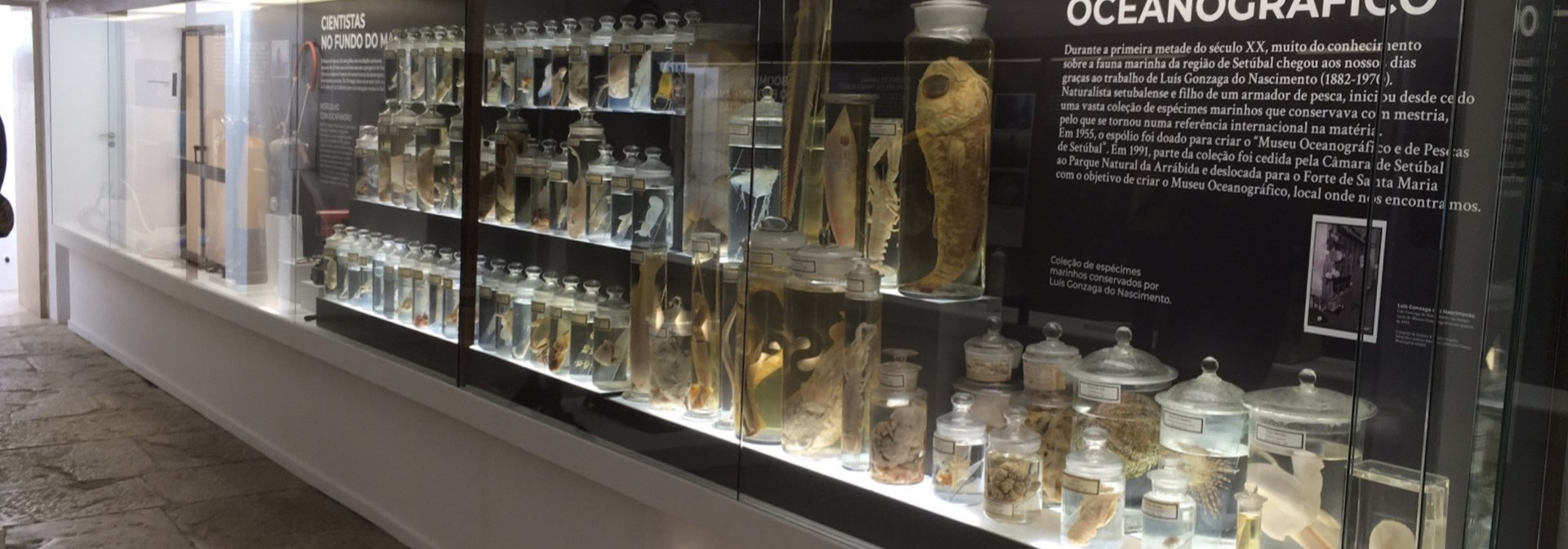
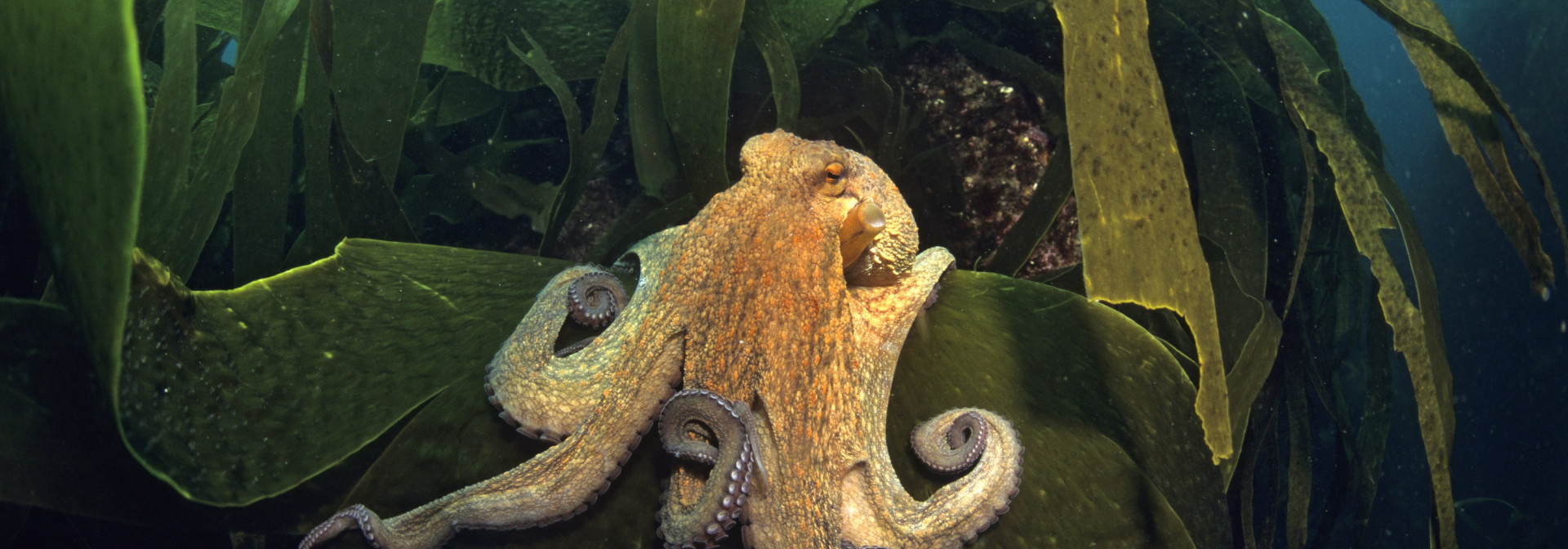
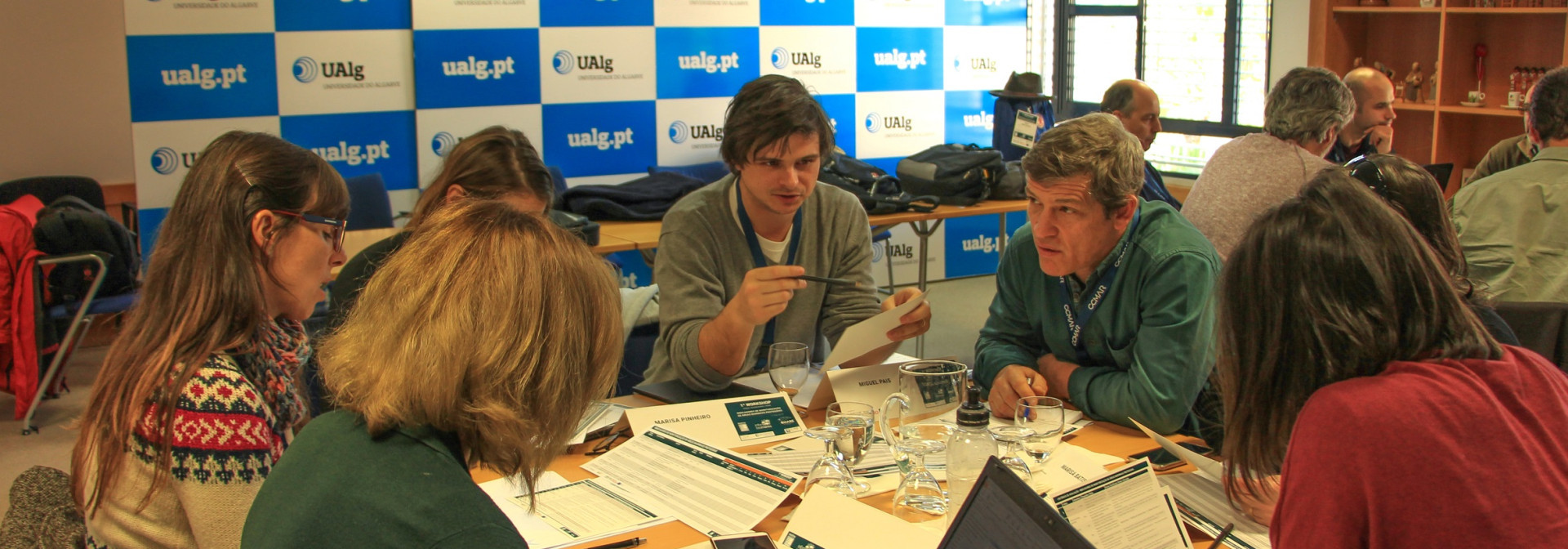
The first attempt to restore life to the seagrass meadows
In 2007, the BIOMARES project — also funded by the LIFE program — was launched with a pioneering effort to replant the Arrábida seagrass meadows. Transplantation, monitoring, mapping, and scientific knowledge accumulated over nearly two decades: it was this program that laid the foundations for the work that RESTORESEAGRASS continues today.
A New Phase: RESTORESEAGRASS Resumes Work
Building on the lessons learned from BIOMARES, RESTORESEAGRASS resumes restoration work in Arrábida using new techniques and a more focused strategy. The main area of intervention is Portinho da Arrábida – Praia dos Coelhos.
A resilient population — but one in decline
Genetic studies show that the existing Zostera marina population has sufficient diversity to survive. But the history of decline over the past decades calls for active intervention—and that is what we are doing.
