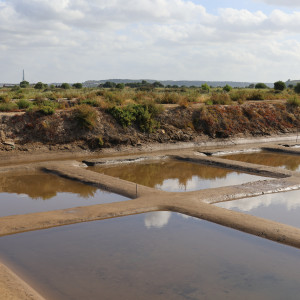
Life on the seagrass meadows
Life
on the seagrass meadows
A City Underwater
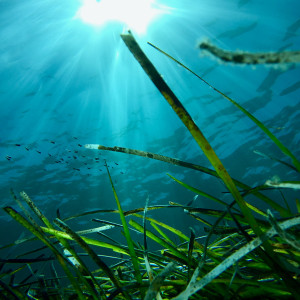
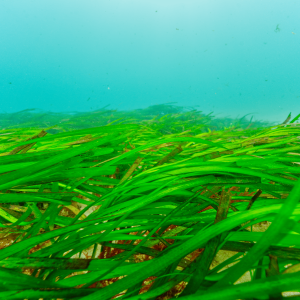
Seagrass meadows are among the richest ecosystems on the planet. Their leaves and roots provide structure, shelter, and food for an extraordinary community of living creatures—from the tiniest invertebrates to large predators. A true underwater city.
Unique… and surprising inhabitants
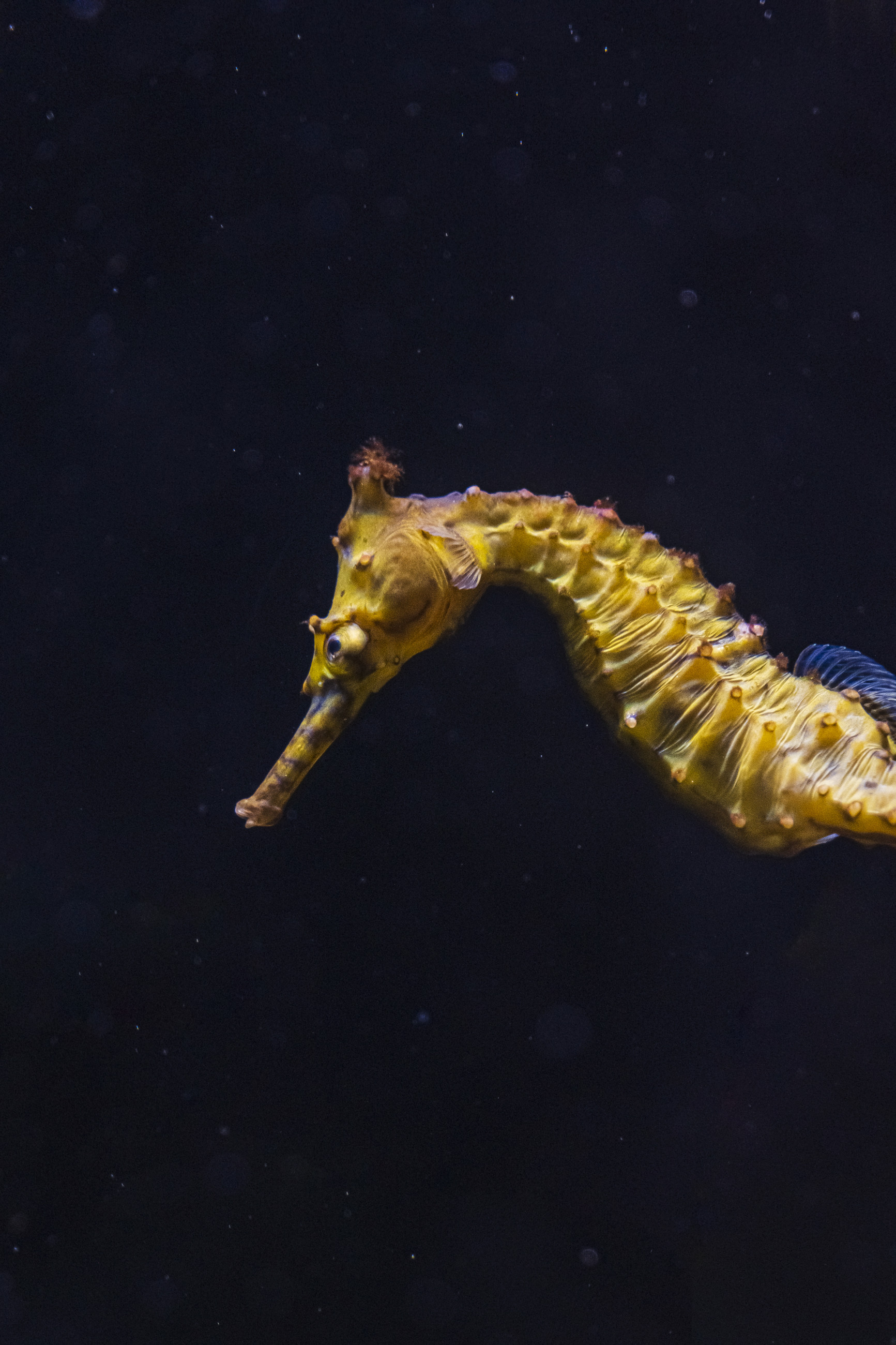
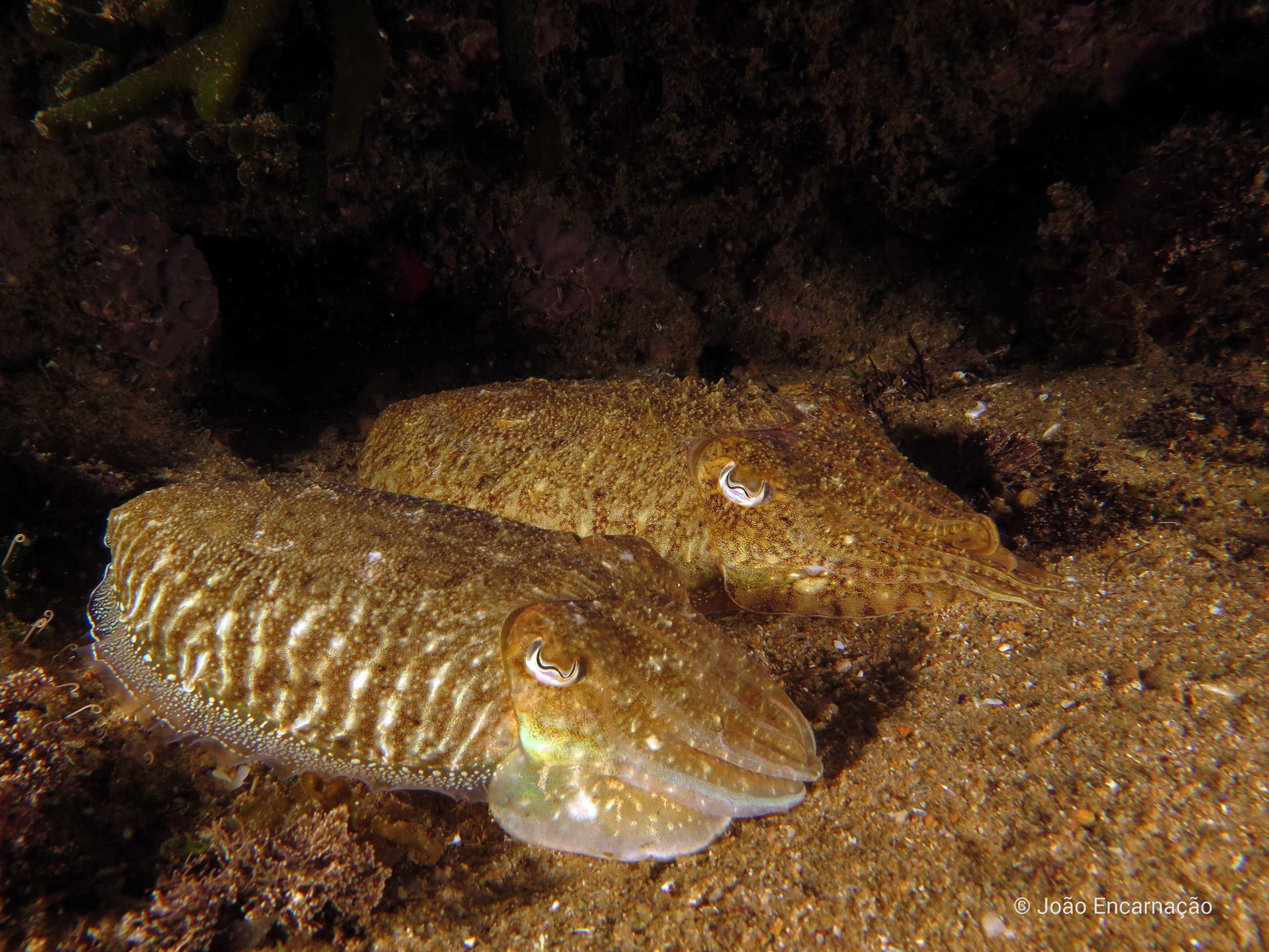
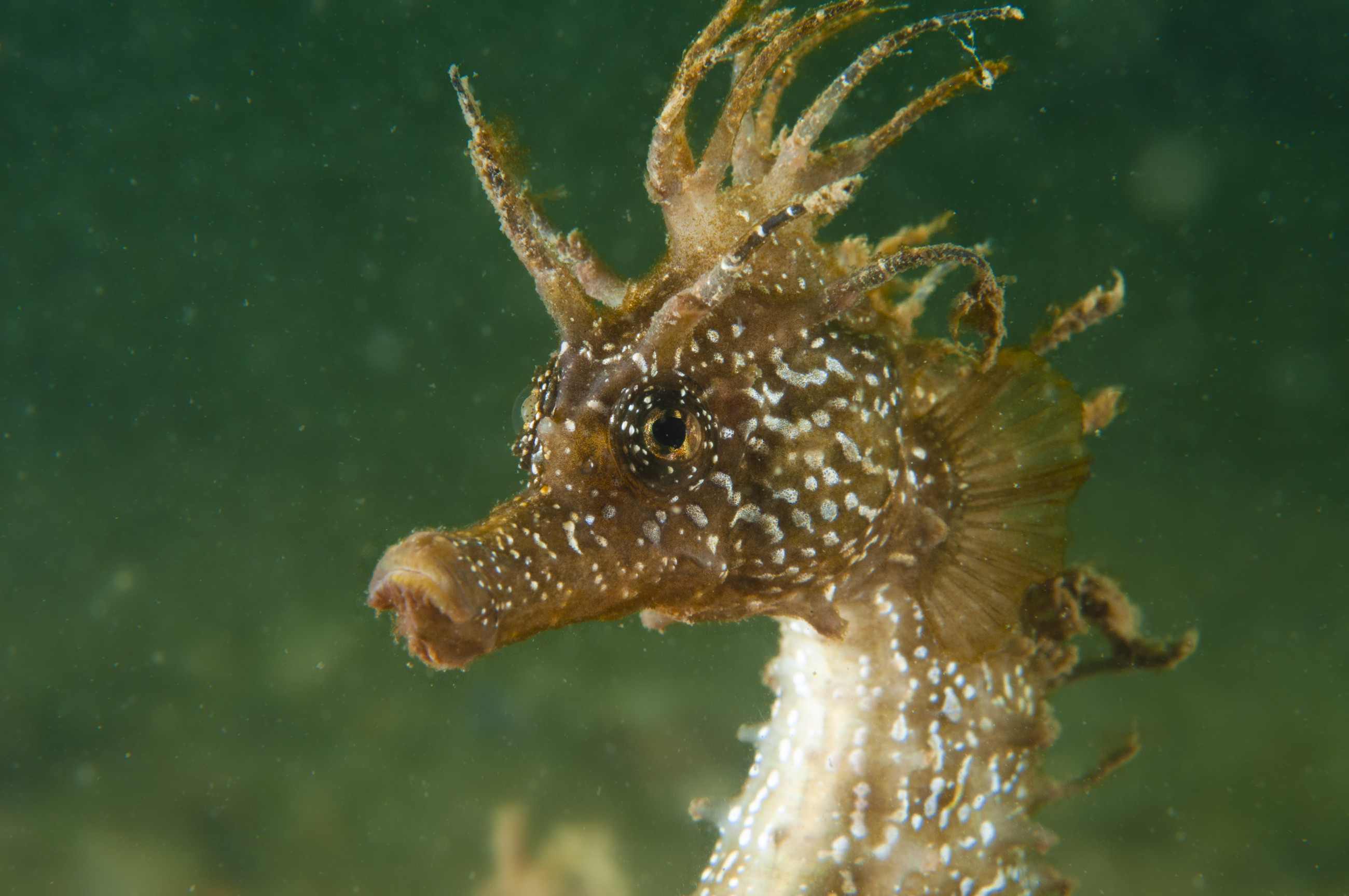
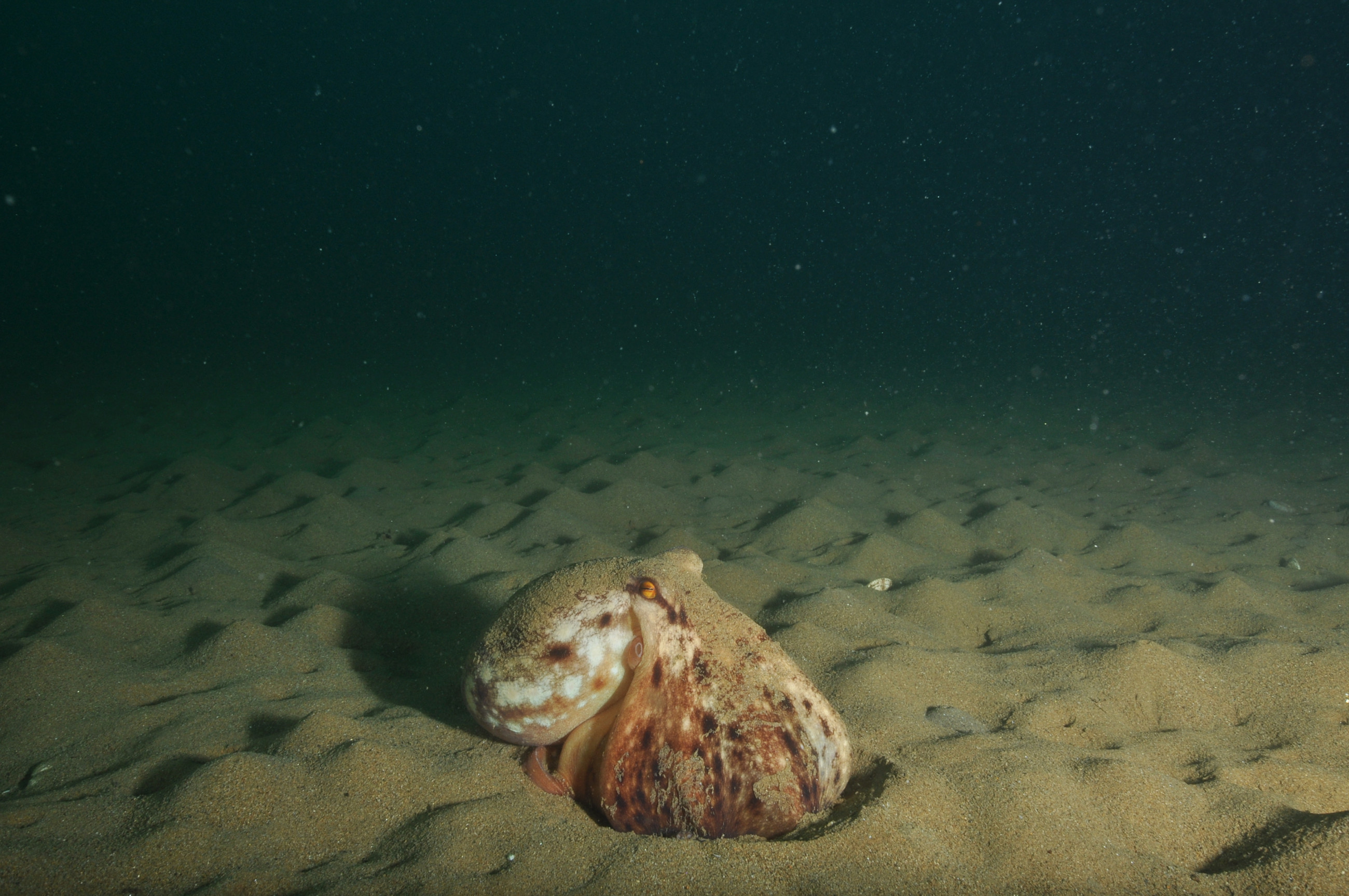
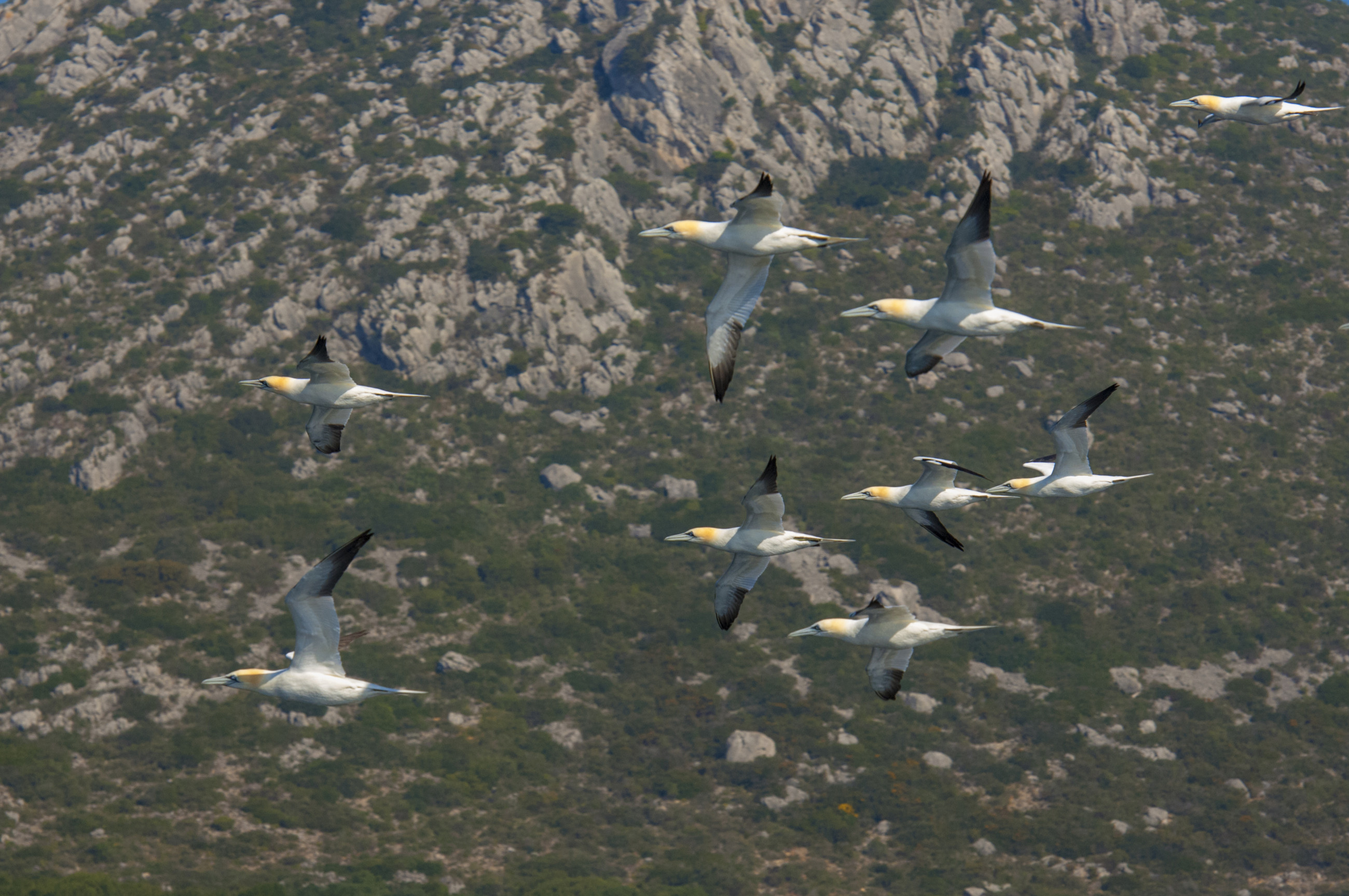
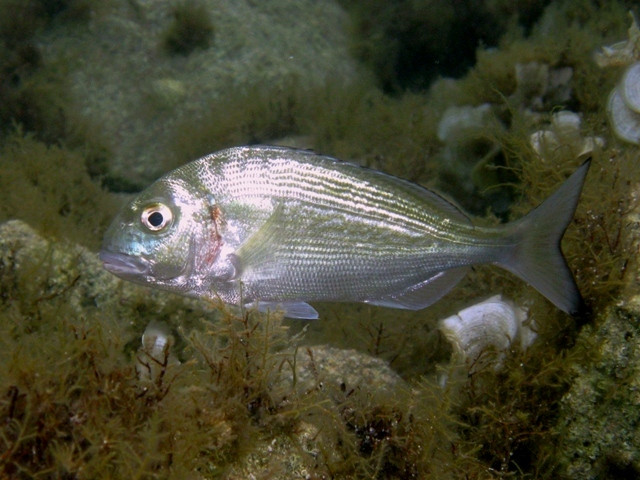
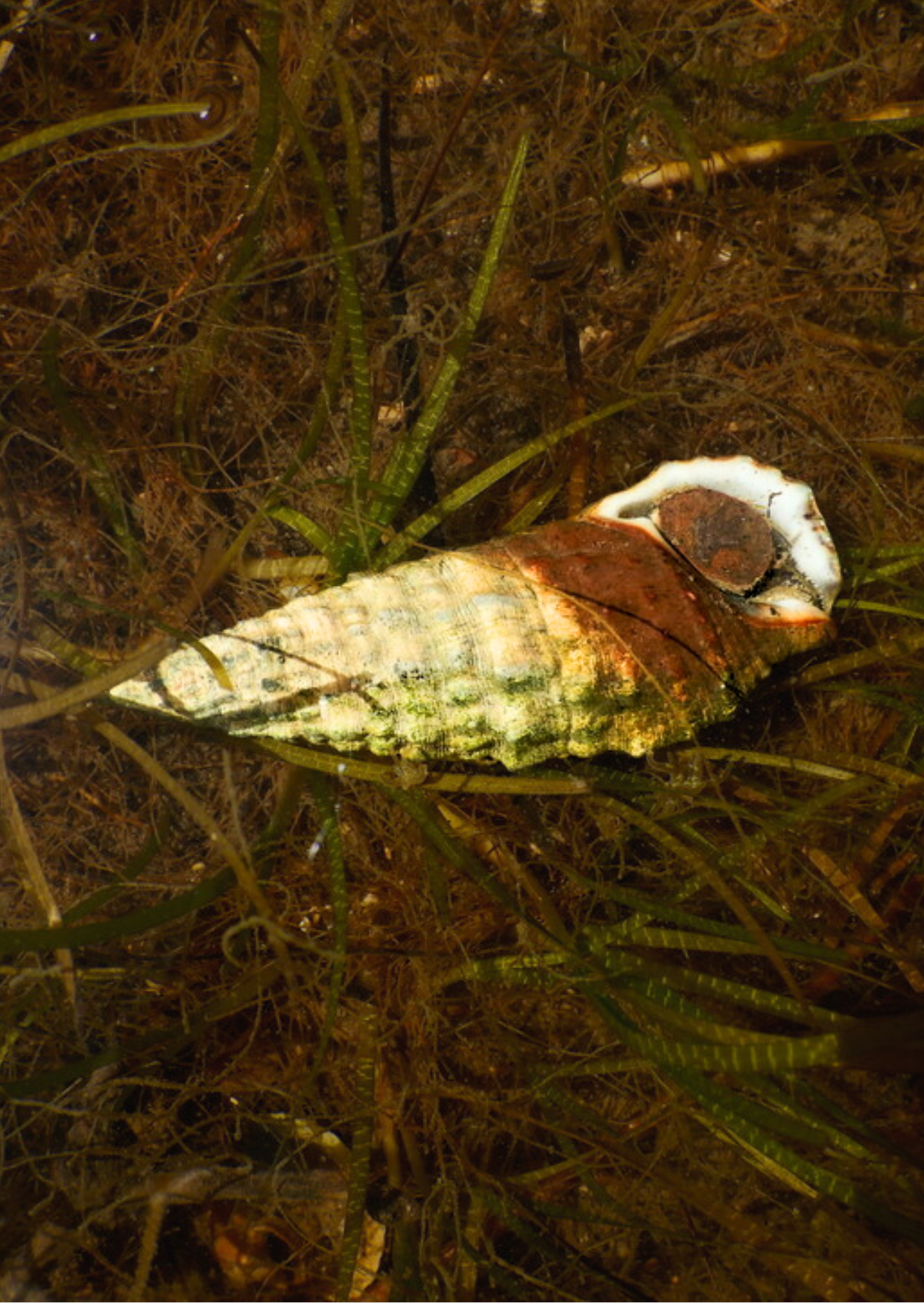
Iconic species and species essential to fishing depend on the salt marshes. Seahorses cling to the leaves with their tails to keep from being swept away. Flamingos feed on the sandbars exposed at low tide. Underwater, cuttlefish, octopuses, sea bass, and sea bream find shelter, food, and refuge here.




A Natural Nursery for the Sea
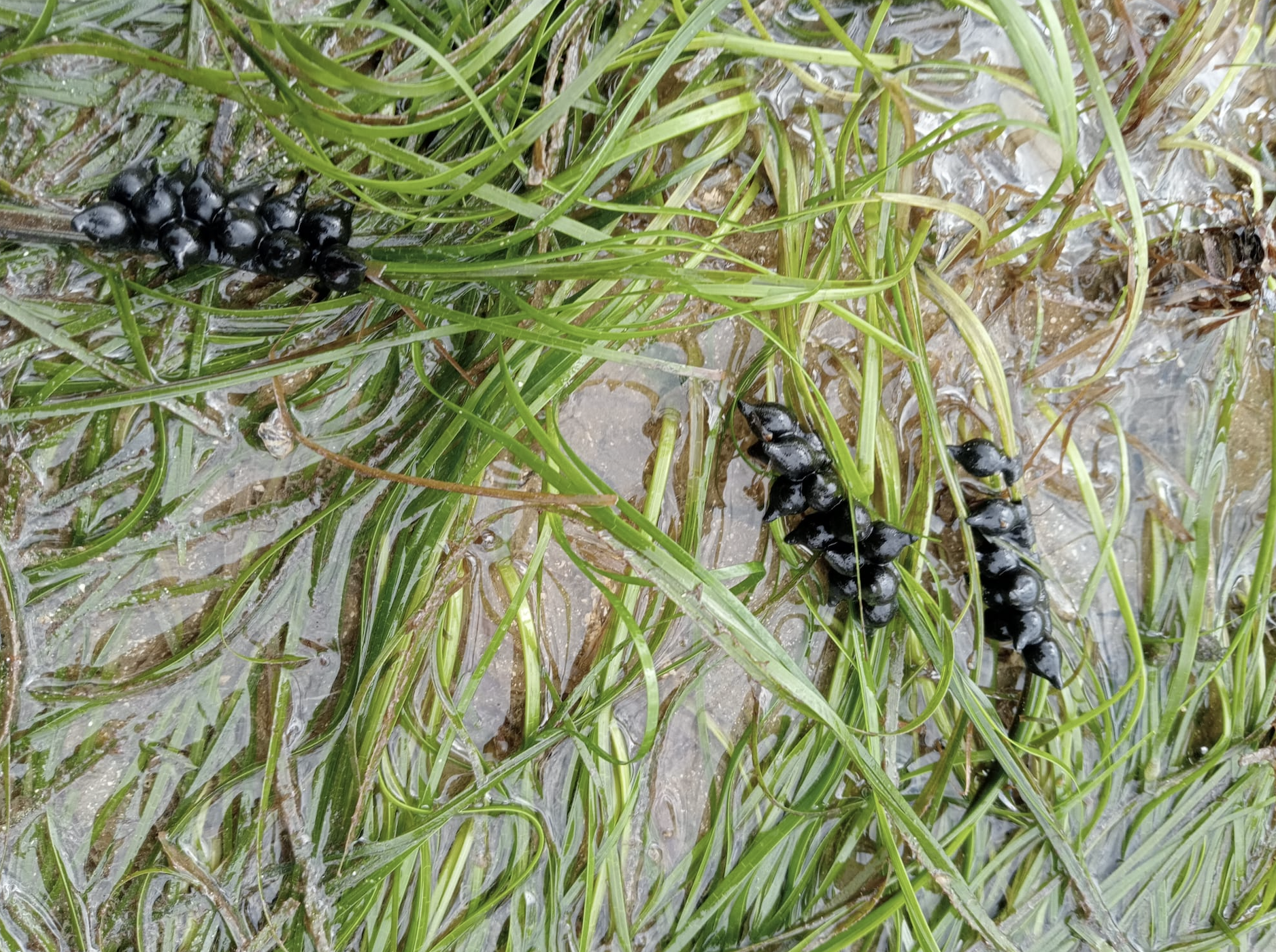
The dense canopy of leaves protects the juveniles of many fish species from predators. Sea bass, gilthead seabream, white seabream, and flounder spend the early stages of their lives in the seagrass meadows. And it is also in these seagrass beds that we find the eggs and spawn of cuttlefish, rays, and sharks. Without these “nurseries,” the renewal of fish stocks — and the fishing industry that depends on them — would be at risk.
Hide to Survive
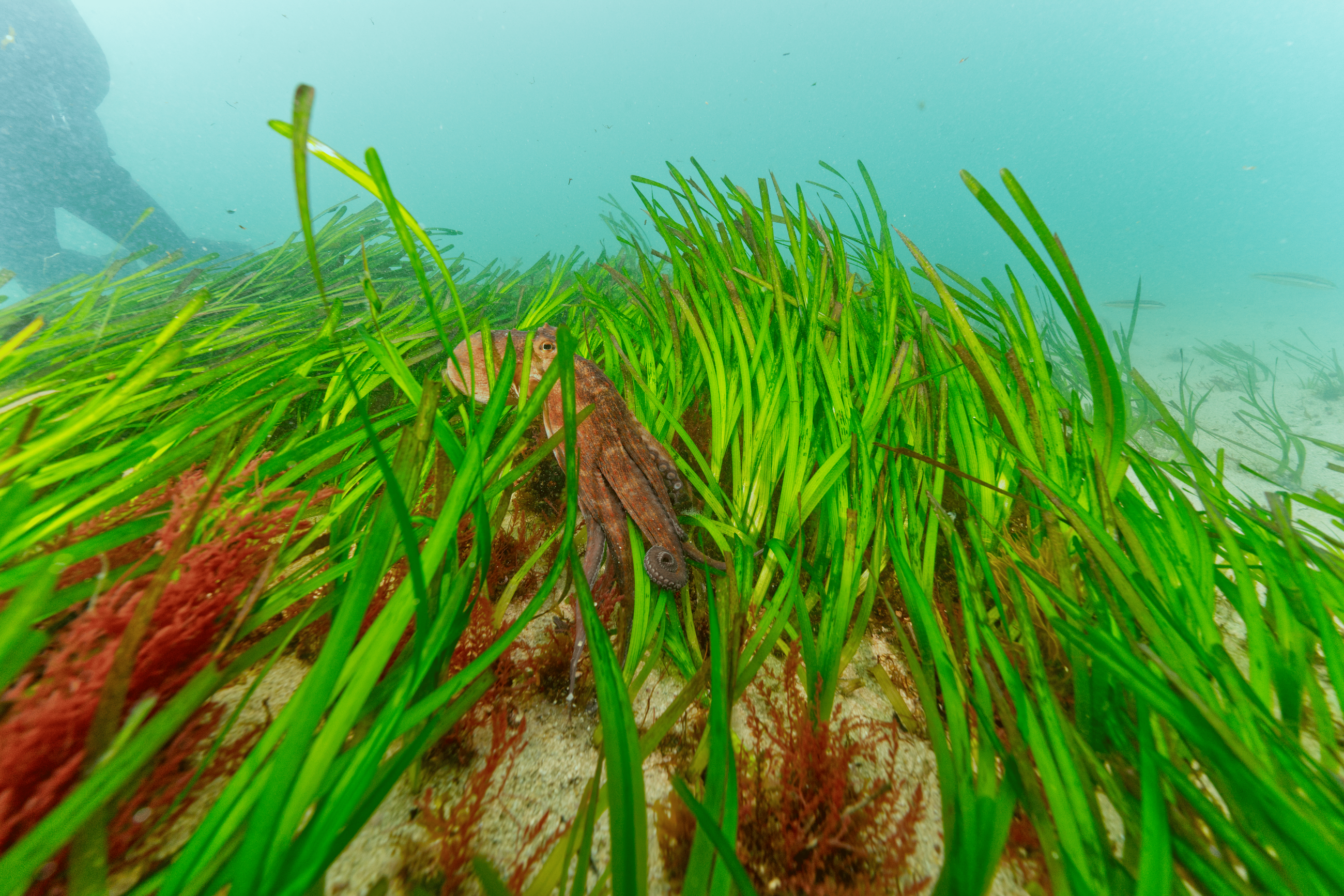
The seagrass meadows aren’t just for the young. Many adult species use the grass as a hiding place — blending into the vegetation to escape larger predators. In the grasslands, those who know how to hide survive.abitats in Portugal over the past few decades.
It all starts with seagrasses
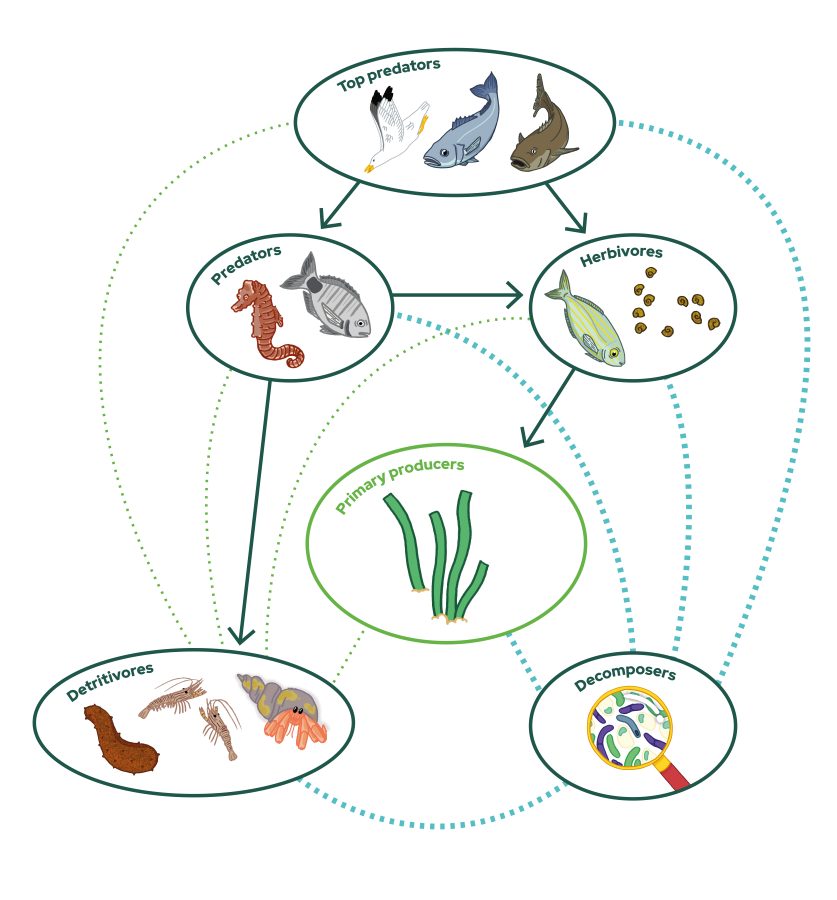
At the heart of it all are seagrasses: primary producers that convert light into energy. This energy sustains herbivores, detritivores, and decomposers, and flows all the way up to the top predators. It is an interdependent web: disrupting any link has cascading consequences for the entire ecosystem.