What are seagrass meadows?
What are
seagrass meadows?

The seagrass bring the ocean to life
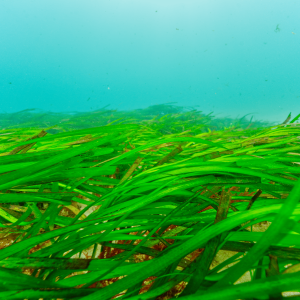
Beneath the water’s surface lie forests of green leaves that sway with the currents. They aren’t algae - they’re true plants, with roots, stems, flowers, and seeds, just like the ones in your garden. They’re called seaweeds, and the ecosystems they form are among the richest and most important on the planet.
Real plants
(not to be confused with algae!)
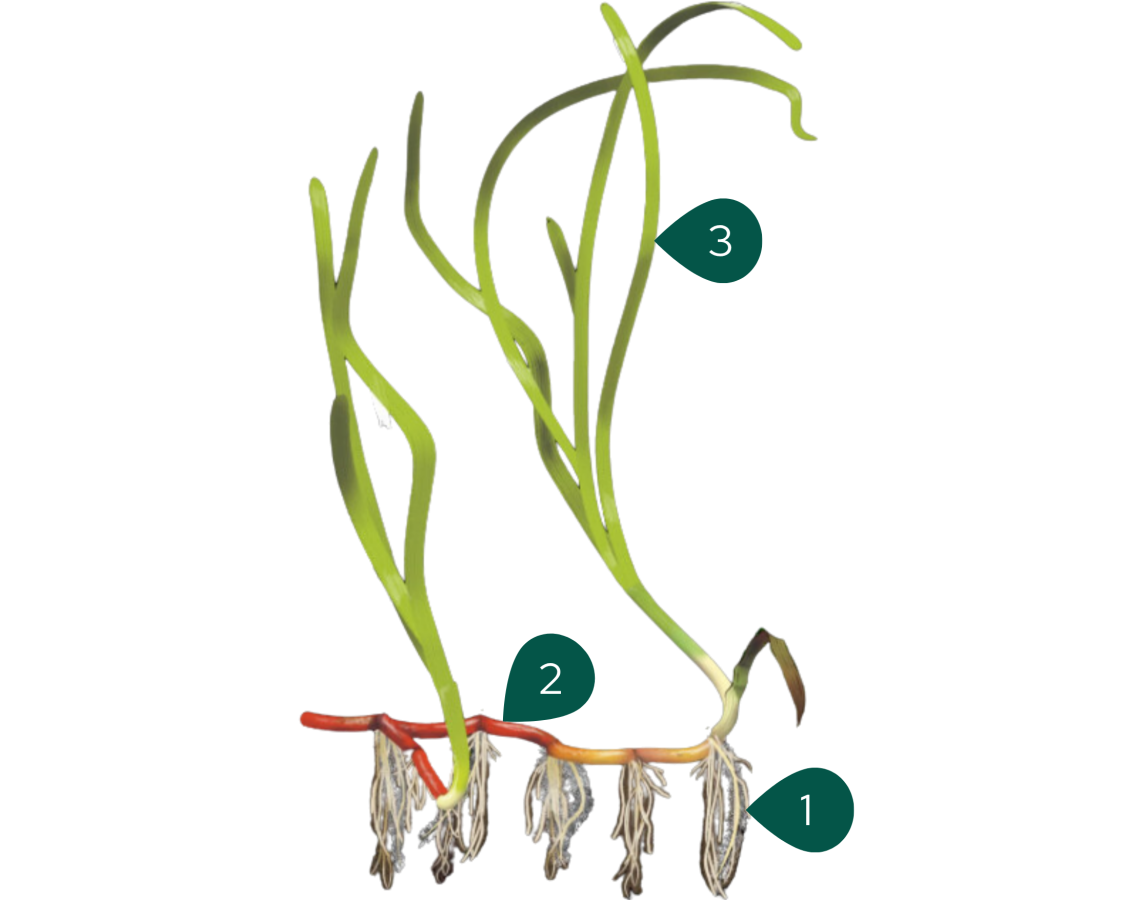
Seagrasses have roots that anchor them in the sediment, rhizomes that spread across the seabed, leaves that capture light, and even flowers and seeds. Algae, on the other hand, are simpler organisms: no roots, no flowers, no vascular system. The difference is huge, and it’s important to understand it.
 Roots
Roots
 Rhizomes
 Leaves
A journey spanning millions of years
from land to sea
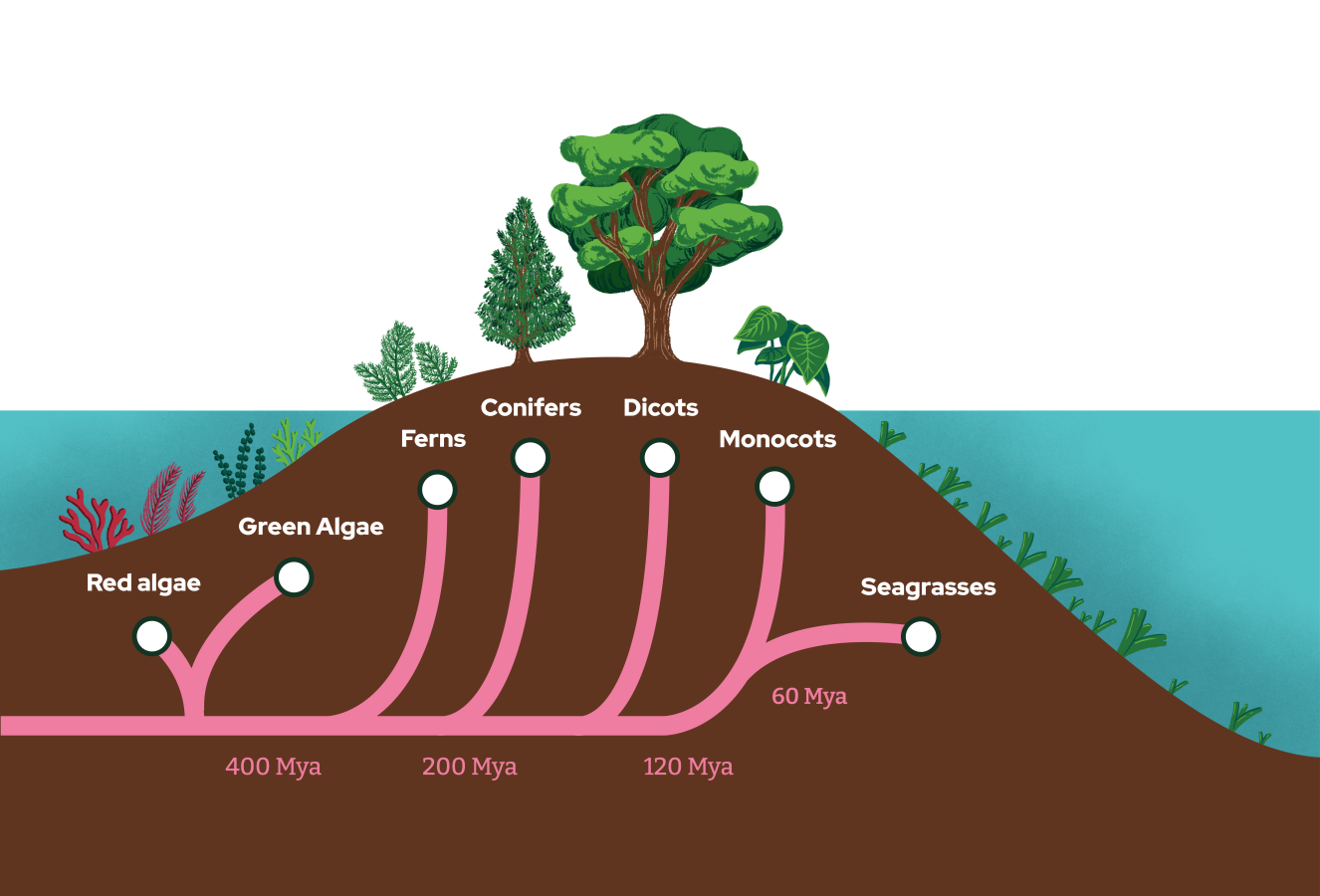
Like whales, seagrasses have taken an extraordinary journey: they originated on land and adapted to life in the ocean. Over millions of years, they have developed flexible leaves that withstand currents, seeds adapted for dispersal by water, and a tolerance for salt. A remarkable story of evolution.

Where are seagrass beds found?
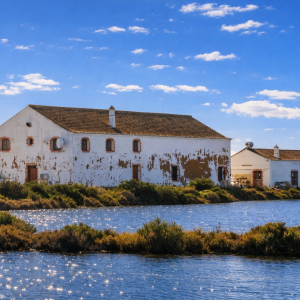
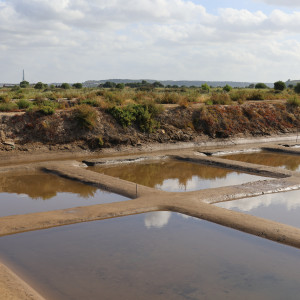
Seagrasses grow in shallow, sheltered coastal waters with relatively calm currents, where light can reach the seabed: estuaries, lagoons, tidal creeks, and bays. They may be exposed at low tide or remain submerged at all times. They thrive in areas with light, relatively calm waters, and stable sediments to anchor themselves to.
Plants Specialized for Coastal Environments
Seagrasses have developed adaptations that allow them to anchor themselves in sediments, capture light for photosynthesis, and cope with variations in salinity and nutrients, making them true specialists of the coastal ocean.

Light
Seagrasses need clear water to photosynthesize. They require 10% to 40% of the surface light to reach the bottom. Turbid or polluted water is their greatest enemy.
Substrate
They attach themselves to sandy or stable muddy bottoms. Their roots and rhizomes grip the sediment, stabilizing the bottom while also anchoring the plant itself.
Clean water
Pollution and suspended sediments reduce available light and stifle growth. Clean water is not a luxury; it is essential for the survival of these plants.

Nutrients
They need nitrogen and phosphorus to grow, but in moderation! In excess, these nutrients encourage algae growth, which covers the leaves and blocks the light that seagrasses depend on.
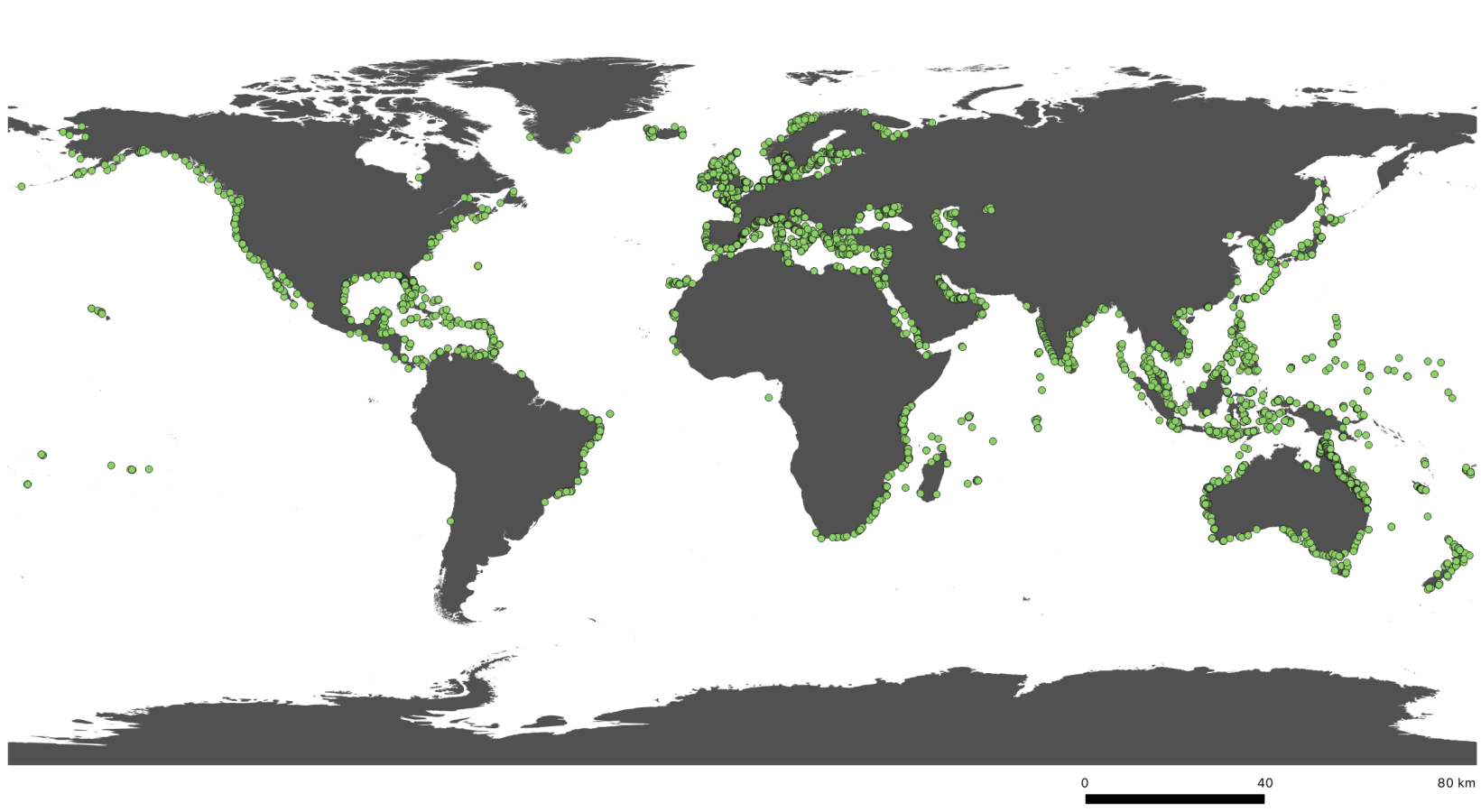
Seagrass Beds Around the World
(except in Antarctica)
Seagrass beds are found in nearly every ocean on the planet, from tropical zones to colder waters. More than 70 species have been described, distributed across six major biogeographic regions. This global presence underscores their importance to the health of the oceans.