
Clone of Clone of Test RSG
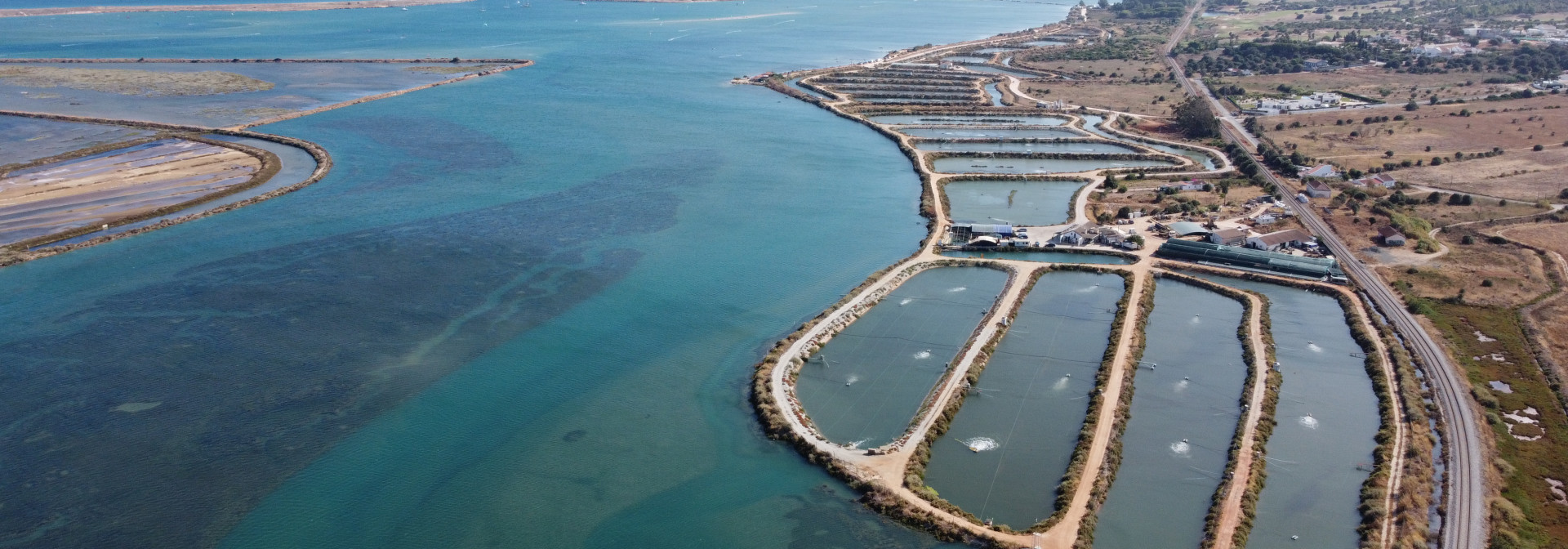
Test
Known to enhance biodiversity by providing food, shelter, and nursery habitat for several marine species, thus supporting local fisheries and other human activities.
Seagrass meadows are shallow marine habitats dominated by rooted, flowering plants that are present on soft marine sediment in areas with low to moderate wave energy.
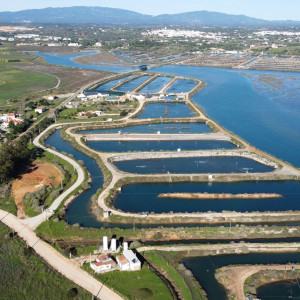
Uma salina requalificada junto à Ria de Alvor, em parceria com a Piscicultura do Vale da Lama.
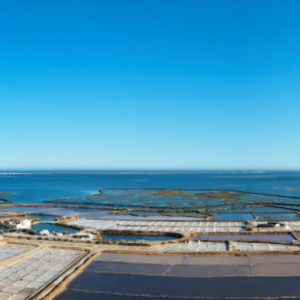
Tanques no coração da Ria Formosa, onde decorrem transplantes experimentais de várias espécies de ervas marinhas.
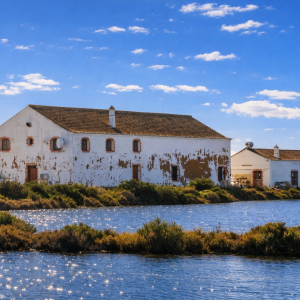
A base científica do projeto na Ria Formosa, com tanques de cultivo e laboratórios de investigação.
To better understand and address these declines,
several projects have been launched
No Preview available before Saving. Please use the Save & Edit button and the backoffice preview will render.
They are capable of living and completing their life cycle under saline and submerged conditions. Southwestern Europe is home to the most diverse seagrass populations in Atlantic mainland Europe, with species such as Zostera marina, Cymodocea nodosa, several Ruppia species, and Zostera noltei, all occurring in the sublittoral zone.
To better understand and address these declines,
several projects have been launched
No Preview available before Saving. Please use the Save & Edit button and the backoffice preview will render.
They are capable of living and completing their life cycle under saline and submerged conditions. Southwestern Europe is home to the most diverse seagrass populations in Atlantic mainland Europe, with species such as Zostera marina, Cymodocea nodosa, several Ruppia species, and Zostera noltei, all occurring in the sublittoral zone.
To better understand and address these declines,
several projects have been launched
No Preview available before Saving. Please use the Save & Edit button and the backoffice preview will render.
They are capable of living and completing their life cycle under saline and submerged conditions. Southwestern Europe is home to the most diverse seagrass populations in Atlantic mainland Europe, with species such as Zostera marina, Cymodocea nodosa, several Ruppia species, and Zostera noltei, all occurring in the sublittoral zone.
They are capable of living and completing their life cycle under saline and submerged conditions. Southwestern Europe is home to the most diverse seagrass populations in Atlantic mainland Europe, with species such as Zostera marina, Cymodocea nodosa, several Ruppia species, and Zostera noltei, all occurring in the sublittoral zone.
