Clone of Test RSG
Test
Known to enhance biodiversity by providing food, shelter, and nursery habitat for several marine species, thus supporting local fisheries and other human activities.
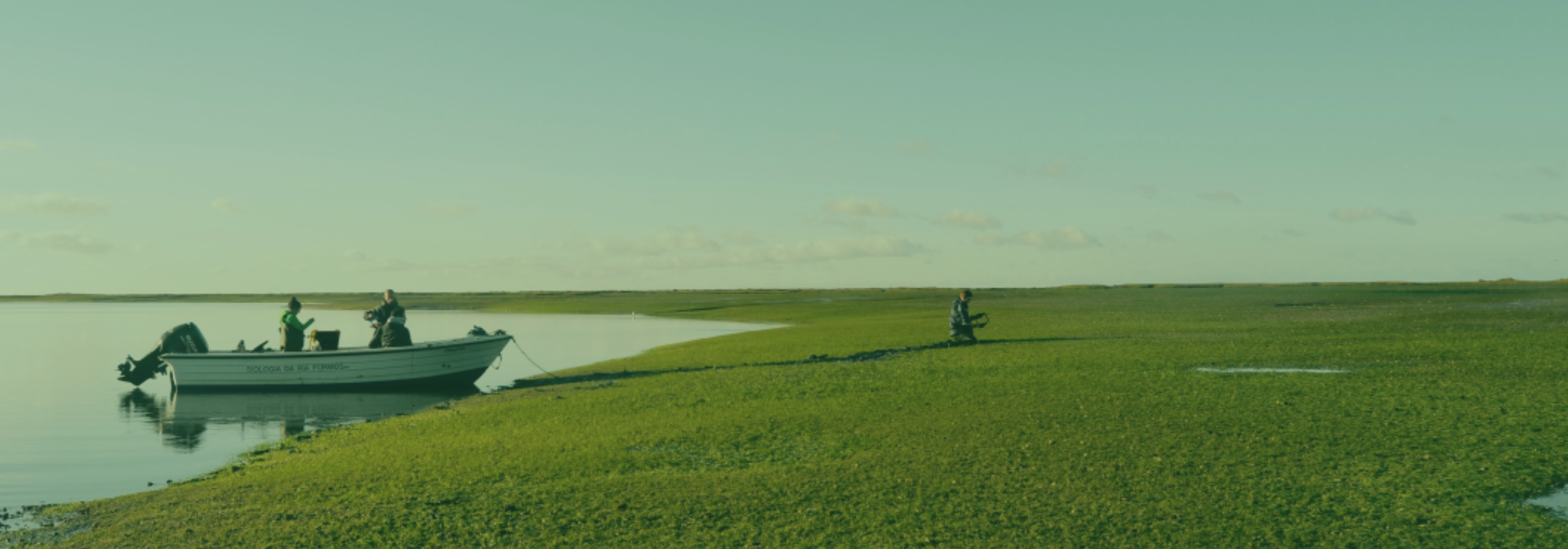
Seagrass meadows are shallow marine habitats dominated by rooted, flowering plants that are present on soft marine sediment in areas with low to moderate wave energy.
Quatro espécies, quatro formas de se adaptar
Em Portugal existem quatro espécies destas plantas especialistas, e cada uma encontrou a sua forma única de se adaptar a condições que a maioria das plantas não suportaria.
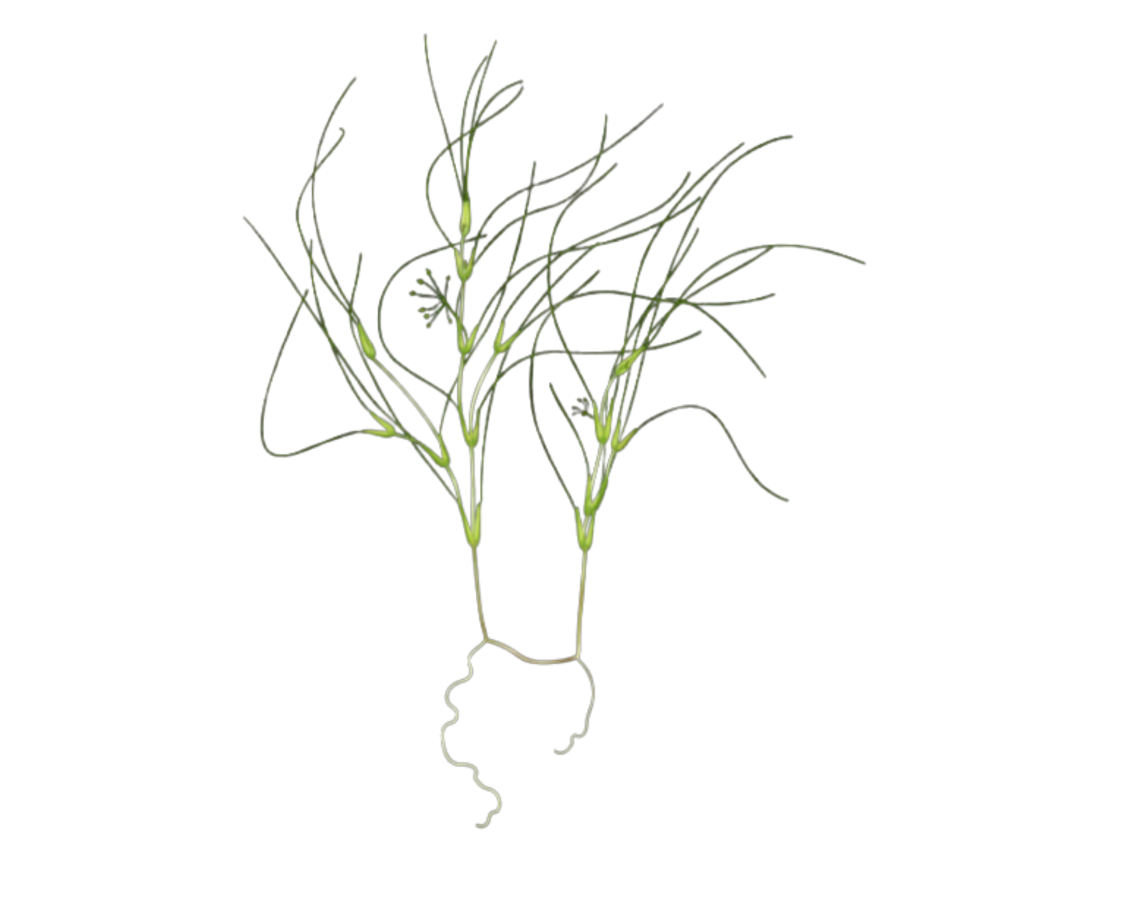
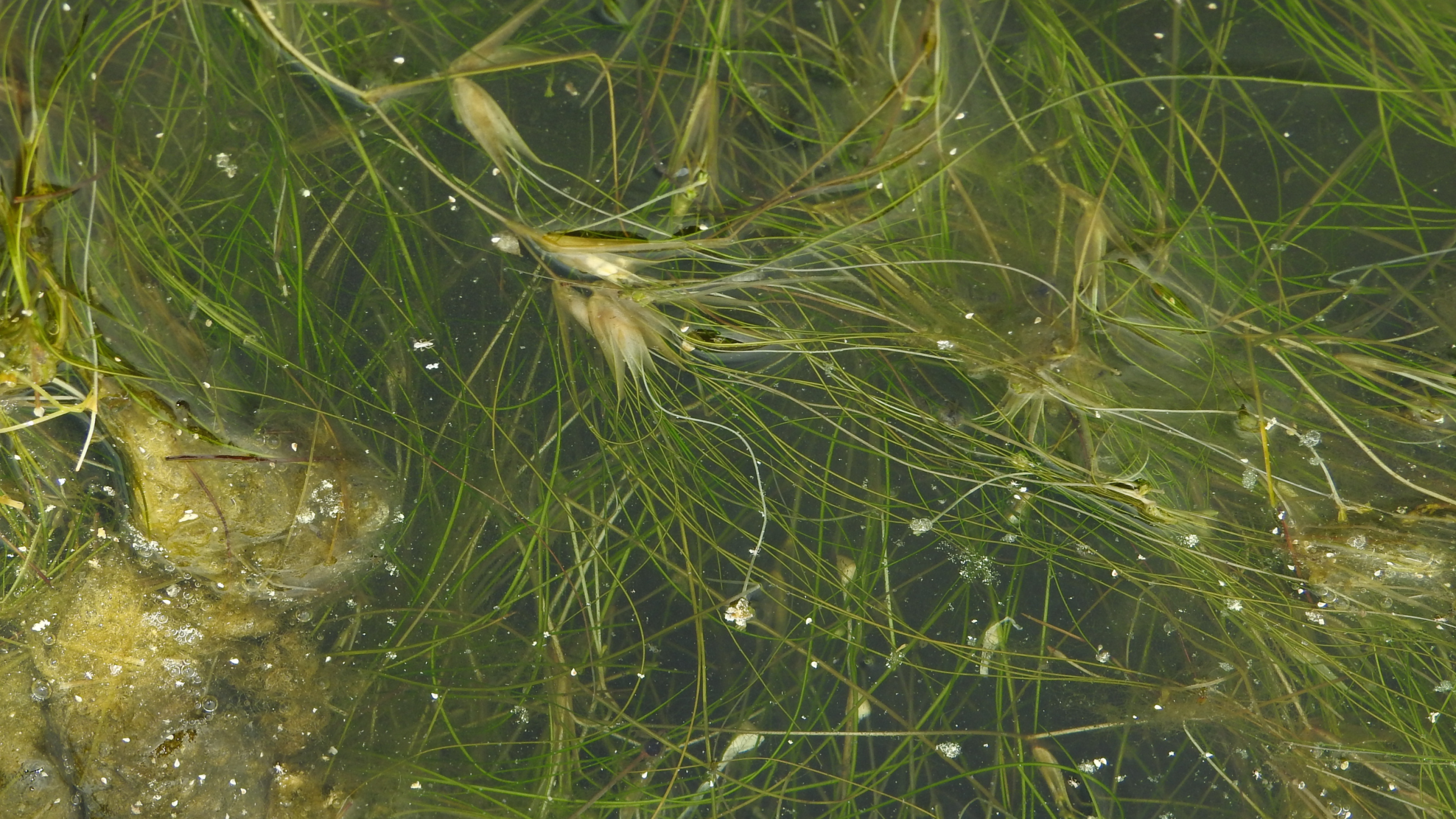
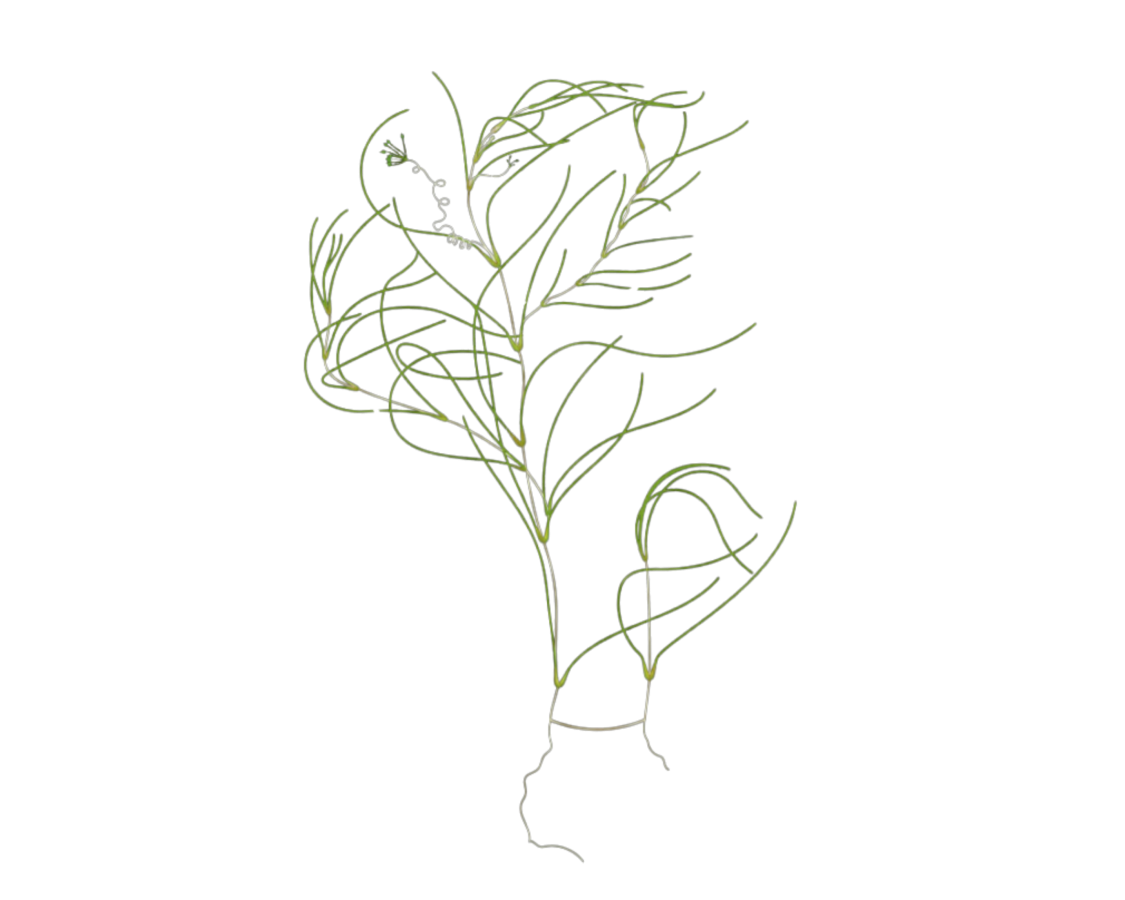
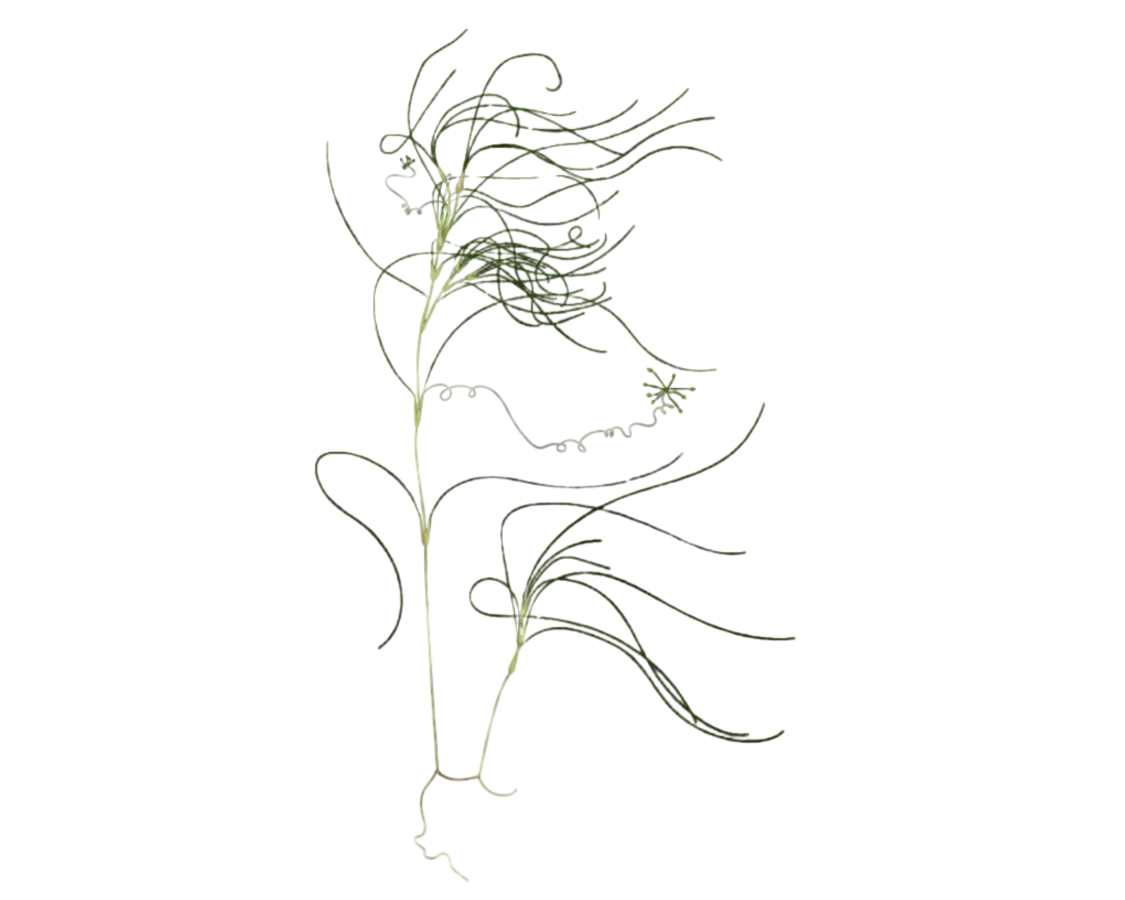
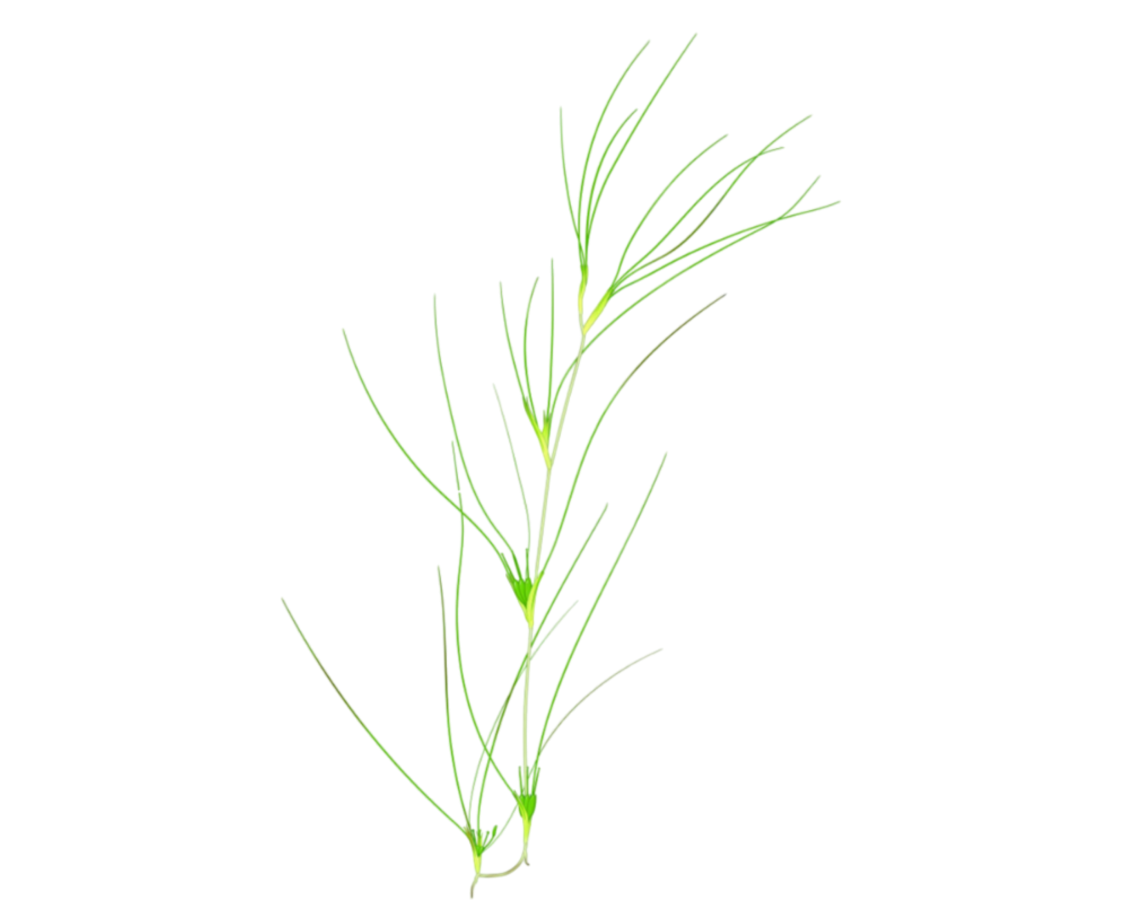
They are capable of living and completing their life cycle under saline and submerged conditions. Southwestern Europe is home to the most diverse seagrass populations in Atlantic mainland Europe, with species such as Zostera marina, Cymodocea nodosa, several Ruppia species, and Zostera noltei, all occurring in the sublittoral zone.
They are capable of living and completing their life cycle under saline and submerged conditions. Southwestern Europe is home to the most diverse seagrass populations in Atlantic mainland Europe, with species such as Zostera marina, Cymodocea nodosa, several Ruppia species, and Zostera noltei, all occurring in the sublittoral zone.
They are capable of living and completing their life cycle under saline and submerged conditions. Southwestern Europe is home to the most diverse seagrass populations in Atlantic mainland Europe, with species such as Zostera marina, Cymodocea nodosa, several Ruppia species, and Zostera noltei, all occurring in the sublittoral zone.
They are capable of living and completing their life cycle under saline and submerged conditions. Southwestern Europe is home to the most diverse seagrass populations in Atlantic mainland Europe, with species such as Zostera marina, Cymodocea nodosa, several Ruppia species, and Zostera noltei, all occurring in the sublittoral zone.
In Portugal, they are an essential part of coastal ecosystems.
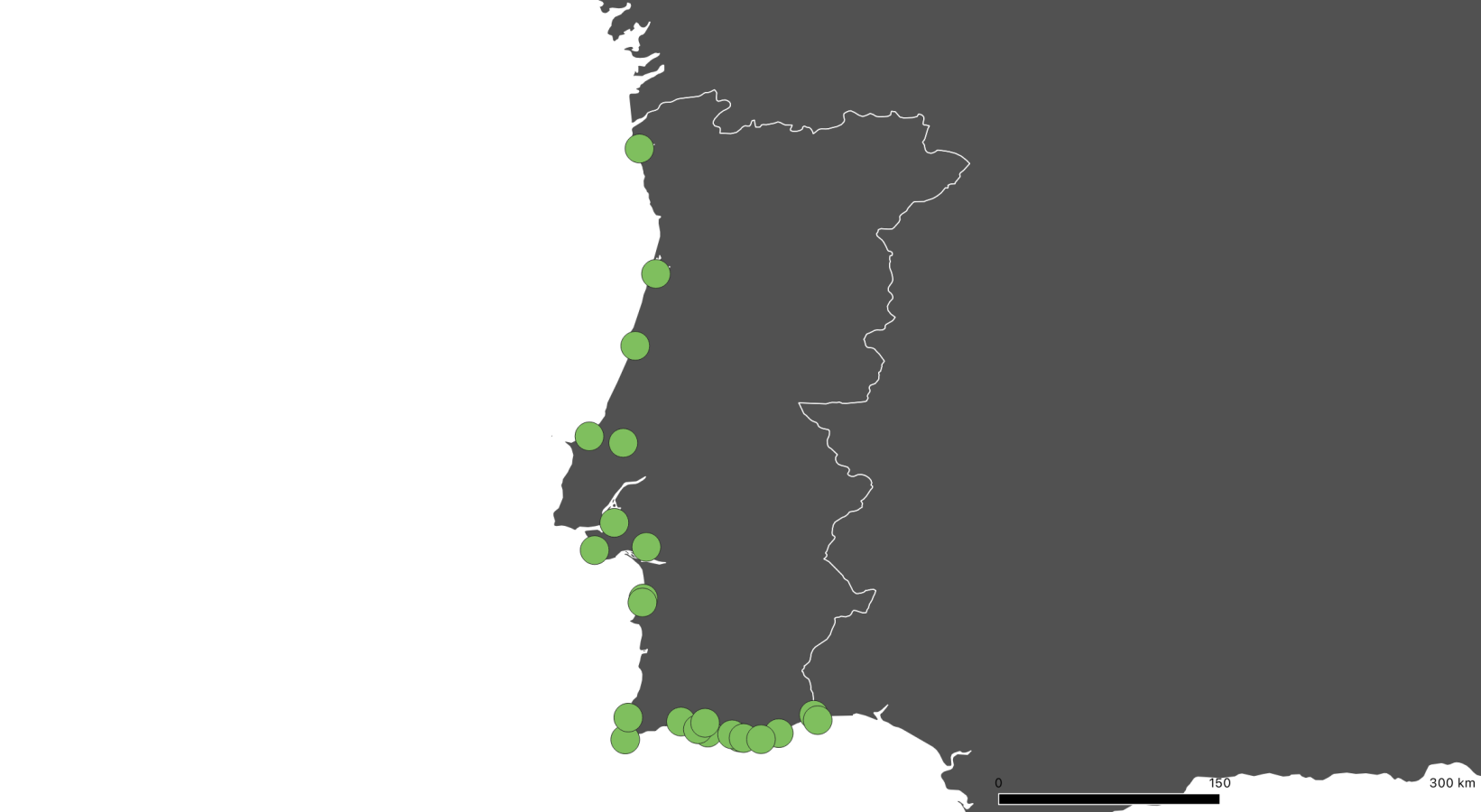
They form key habitats along the southern coast of the country, particularly in the Algarve, mainly within the expansive Ria Formosa coastal lagoon and the estuaries of the Arade and Guadiana rivers. In the Setúbal area, they thrive in the Sado estuary and along the Arrábida coastline.
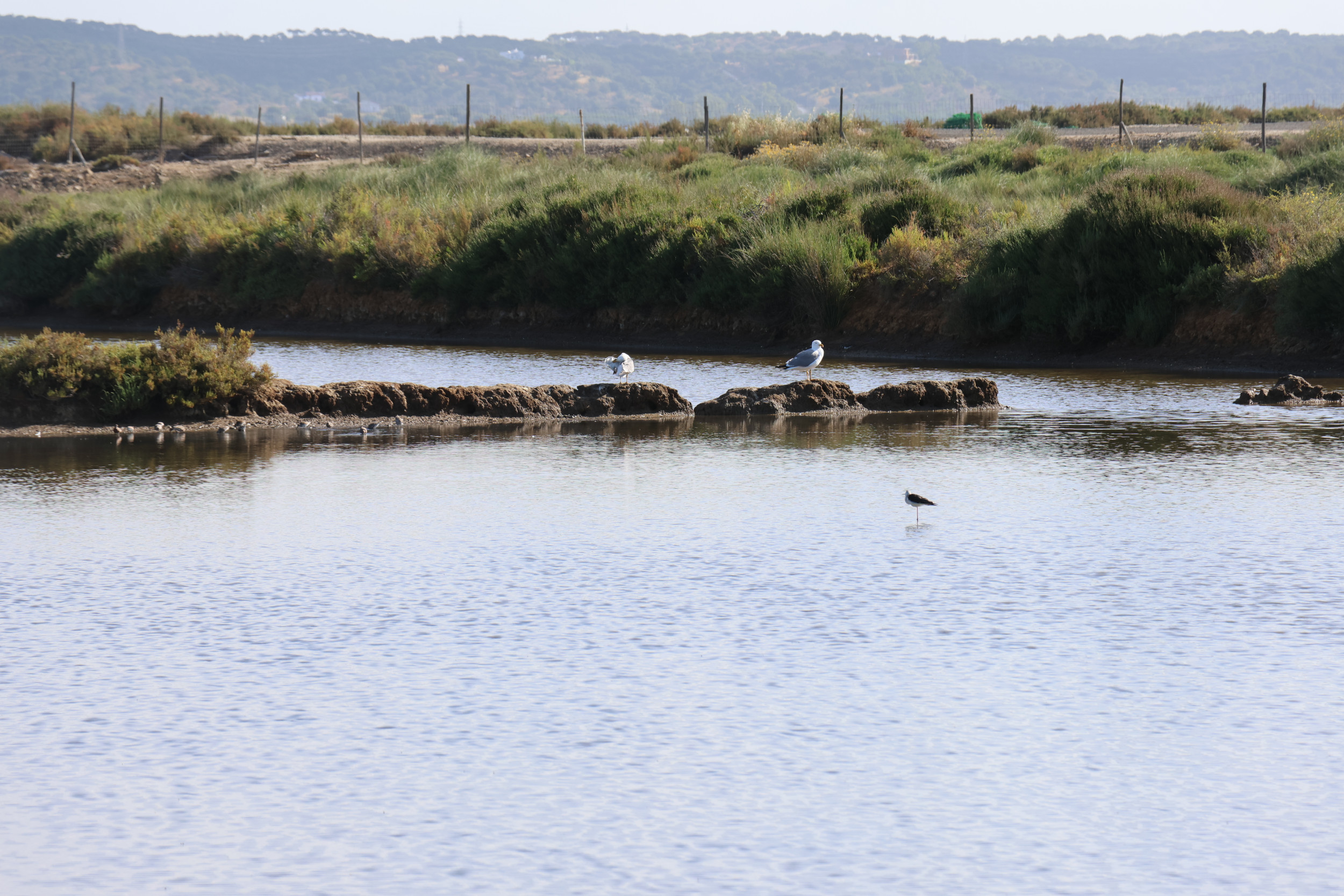
Despite their importance, seagrass meadows have faced severe threats
Beyond environmental changes, human activities - such as sediment removal from dredging, boat anchoring, moorings, propeller damage, and the spread of invasive macroalgae - have significantly contributed to the loss of these vital habitats in Portugal over the past few decades.