Clone of Test RSG
Test
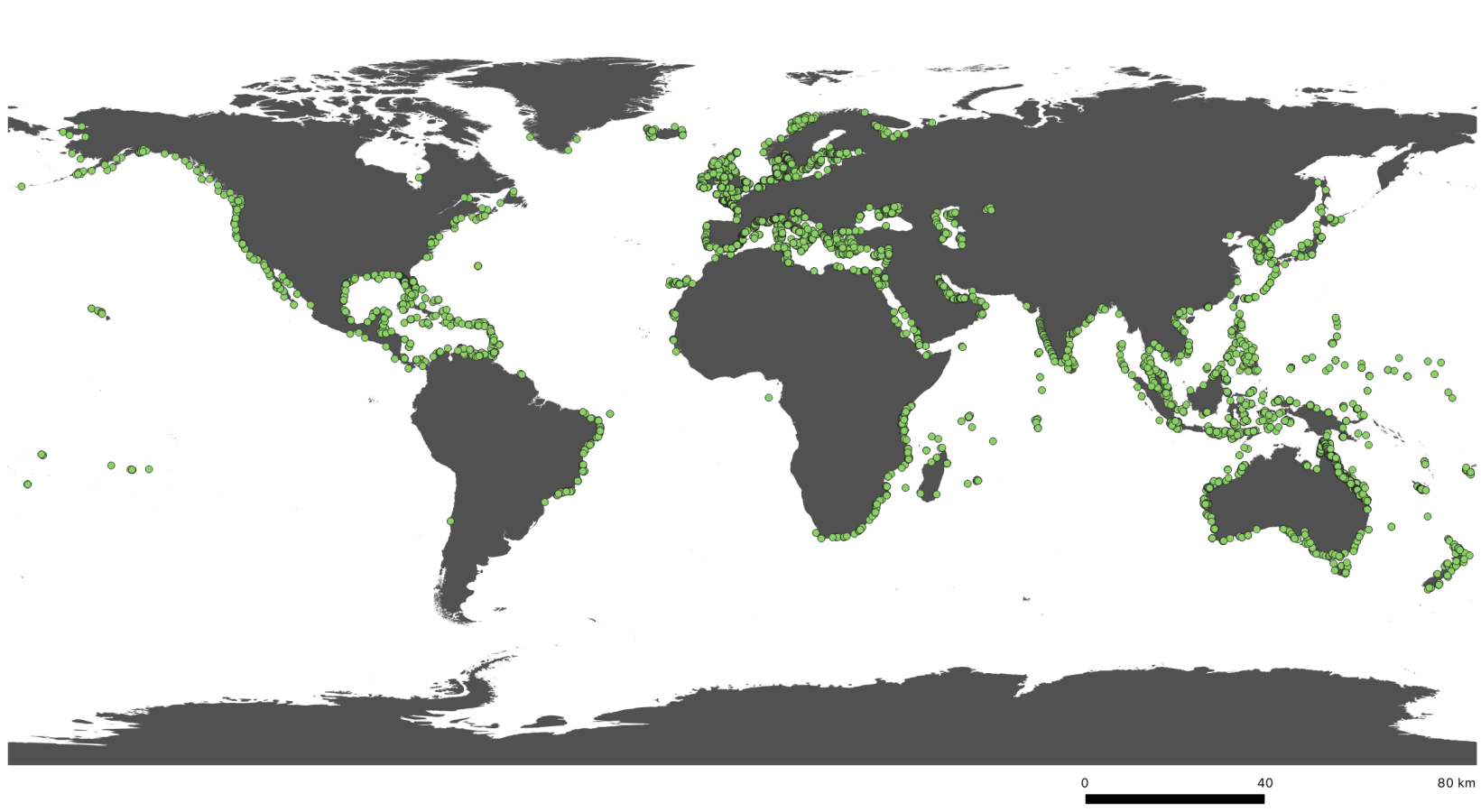
Known to enhance biodiversity by providing food, shelter, and nursery habitat for several marine species, thus supporting local fisheries and other human activities.
Seagrass meadows are shallow marine habitats dominated by rooted, flowering plants that are present on soft marine sediment in areas with low to moderate wave energy.
Plantas a sério
(não confundir com algas!)
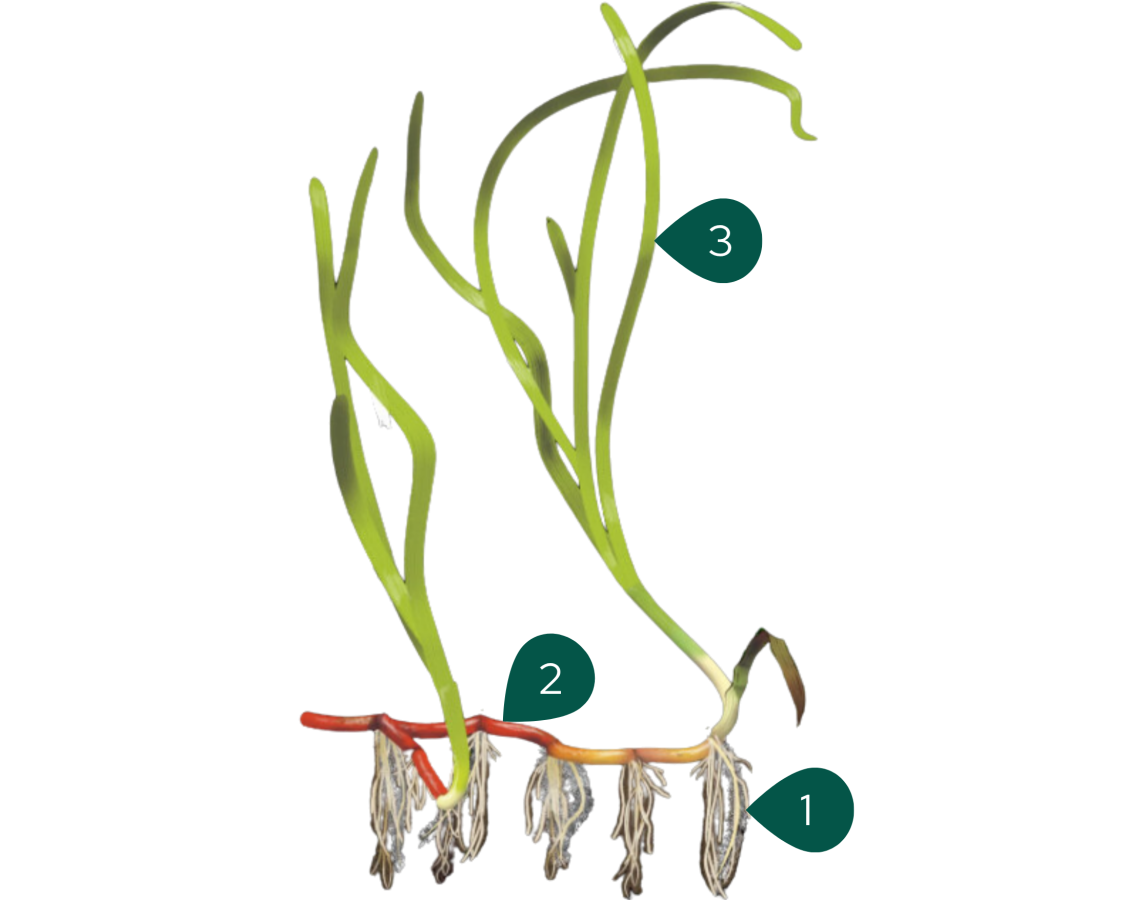
As ervas marinhas têm raízes que se fixam no sedimento, rizomas que se estendem pelo fundo, folhas que captam a luz, e até flores e sementes. As algas, por outro lado, são organismos mais simples: sem raízes, sem flores, sem sistema vascular. A diferença é enorme, e importa conhecê-la.
 Raízes
 Rizomas
 Folhas
These vital marine ecosystems
provide essential services

To better understand and address these declines,
several projects have been launched
Plantas especializadas em ambientes costeiros
As ervas marinhas desenvolveram adaptações que lhes permitem fixar-se nos sedimentos, captar luz para a fotossíntese e lidar com variações de salinidade e nutrientes, tornando-se verdadeiras especialistas do oceano costeiro.

Refuge for biodiversity
Many economically significant fish and shellfish species find their home on seagrass meadows.
Coastline Protectors
By reducing the impact of waves with their canopies.

Water and Sediment Quality
Filtering excess nutrients and other pollutants from runoff.

Blue Carbon Reservoir
Along with mangroves and salt marshes, seagrass meadows store over half of the sequestered carbon by the ocean.
They are capable of living and completing their life cycle under saline and submerged conditions. Southwestern Europe is home to the most diverse seagrass populations in Atlantic mainland Europe, with species such as Zostera marina, Cymodocea nodosa, several Ruppia species, and Zostera noltei, all occurring in the sublittoral zone.